How Long Will Cancer Treatment Take From First Visit to Follow-Up?

Key Takeaways
- The timeline begins with the first consultation, but diagnosis and treatment planning may take days to weeks before therapy starts.
- Some cancers need urgent treatment, while others are treated after a more measured workup and second opinions.
- Follow-up care is part of treatment, not an afterthought, and may continue for months or years.
- Travel, pathology review, imaging, and coordination across specialists can affect the overall schedule for international patients.
- Patients can help the process move smoothly by keeping records organized, asking about the next step, and understanding what is time-sensitive.
Cancer care rarely follows a single clock. The time from the first oncology visit to follow-up depends on the cancer type, tests needed, treatment plan, and whether care is local or international. This article explains the usual steps so patients and families can plan with more clarity and less uncertainty.
Overview
People often ask a simple question that does not have a simple answer: how long will cancer treatment take from the first visit to follow-up? The honest response is that the timeline depends on the cancer itself, how advanced it is, which tests are needed, and whether treatment will be local or coordinated across countries.
For some patients, the first appointment quickly leads to a biopsy, staging tests, and a treatment start within a short period. For others, the process is more deliberate, especially when doctors are confirming the diagnosis, reviewing pathology slides, or deciding between surgery, chemotherapy, radiotherapy, targeted therapy, or immunotherapy.
International patients may also need to account for travel time, visa planning, record transfer, and follow-up arrangements at home. A good care team will explain what can happen immediately, what can wait, and what needs a precise schedule so that the overall plan feels manageable rather than rushed.
What Usually Happens After the First Visit
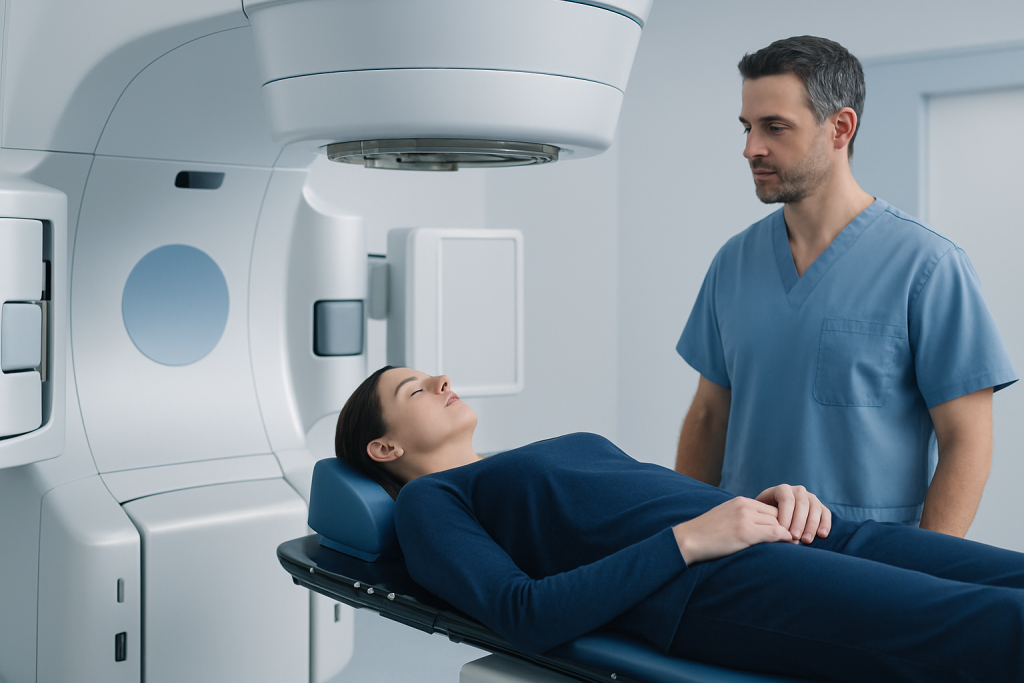
The first oncology appointment is often the beginning of a sequence rather than the start of treatment on the same day. The specialist reviews symptoms, prior reports, imaging, lab results, and family history, then decides which additional tests are needed. In many cases, the next step is to confirm the diagnosis and understand the cancer’s type, stage, and biological features.
That workup can include blood tests, imaging studies such as CT, MRI, PET, or ultrasound, and sometimes a biopsy if tissue confirmation is still needed. If the patient has already had some of these tests, the timeline may be shorter because the team can build on existing information instead of repeating every step.
After the data are assembled, the case is usually discussed by a multidisciplinary team. This may include oncologists, surgeons, radiation oncologists, pathologists, radiologists, and supportive care specialists. The goal is to choose the safest and most effective path, not simply the fastest one.
Why Timelines Differ So Much

Cancer is not one condition, and treatment is not one standard schedule. A localized tumor that can be removed surgically may move through the system differently from a cancer that needs medication first, or from a case that requires several opinions before the plan is finalized.
Timelines also differ because some tests take longer than others. Pathology review can be immediate in one setting and slower in another, especially if tissue is being sent for expert review. Molecular testing, which helps identify targetable features in some cancers, may add time but can be important for choosing the most appropriate therapy.
Practical factors matter too. If a patient is traveling internationally, the schedule may include flight availability, recovery time between visits, and coordination between the treating center and the patient’s home doctor. The right question is often not “How fast can this be done?” but “What sequence gives the clearest diagnosis and the safest plan?”
- Cancer type and stage
- Need for biopsy or repeat pathology review
- Complexity of imaging or lab work
- Availability of a multidisciplinary decision
- Travel and recovery planning for international care
From Diagnosis to Treatment Start
Once the diagnosis is confirmed, treatment may begin quickly or after a short planning period. For some patients, especially when symptoms are urgent, doctors prioritize treatment without delay. For others, a few days or weeks are used to refine the approach so that the treatment matches the biology of the cancer as closely as possible.
Surgery is often scheduled after preoperative assessments are complete and the patient is medically ready. Chemotherapy or immunotherapy may begin after lab work, heart or kidney checks, and counseling about side effects and monitoring. Radiotherapy usually requires simulation and planning before the first session, which adds structure to the timeline even when treatment itself is outpatient-based.
Patients sometimes worry that every pause means something is wrong. In reality, planned steps are part of good oncology care. A short delay to obtain the right test or the correct specialist opinion can prevent larger problems later and may improve the quality of treatment choices.
Common Treatment Phases and Their Pace
The pace of treatment depends on the modality. Surgery may involve a single procedure followed by a recovery period, while systemic treatments such as chemotherapy or immunotherapy are typically delivered in cycles over weeks or months. Radiotherapy often involves regular sessions across a defined period, with planning at the beginning and review during treatment.
Some patients receive combined treatment, such as surgery followed by medication or radiation, which naturally extends the overall timeline. Others move into maintenance therapy or active surveillance after the main treatment phase. That does not mean care is over; it means the focus has shifted from immediate treatment to monitoring and prevention of recurrence.
Patients should also expect “checkpoints” rather than one long block of care. These checkpoints may include symptom review, blood counts, imaging, pathology updates, and adjustments to the plan if the cancer responds differently than expected.
- One-time procedures: biopsy, port placement, surgery
- Short cycles: some systemic therapies given every few weeks
- Longer programs: radiation courses or multi-month medication plans
- Monitoring phases: imaging, labs, and clinic visits after treatment
Follow-Up Is Part of the Treatment Plan
Follow-up begins as soon as treatment starts, because oncology care is always looking ahead to response, safety, and recovery. After the active phase ends, appointments may focus on healing, side effects, nutrition, physical function, and emotional wellbeing. For many people, this is when questions become more practical: when can they travel again, return to work, or safely shift care back home?
Follow-up schedules are individualized. Some patients are seen frequently at first, then less often over time if the cancer remains stable and symptoms are controlled. Others need closer monitoring because their treatment plan includes ongoing medication, laboratory checks, or periodic scans.
International patients benefit from having a clear written plan before leaving the treating center. That plan may outline warning signs, medication instructions, the timing of the next scan, and who should receive the records. A well-organized handoff helps care continue smoothly across borders.
How Patients Can Help the Timeline Run Smoothly
A cancer timeline becomes easier to navigate when records are prepared early. Patients can gather pathology reports, imaging discs, laboratory results, lists of medicines, and summaries of past treatments before the first visit. If the case is being reviewed abroad, sending complete documents in advance can reduce avoidable repetition.
It also helps to ask focused questions at every step. Patients may want to know which tests are essential, which can be done locally, how long pathology review may take, whether travel should wait until after a procedure, and what symptoms require urgent contact. Clear questions often lead to clearer scheduling.
Because cancer care can involve multiple providers, one person should ideally keep the timeline organized. A simple folder, printed checklist, or secure digital file can prevent delays caused by missing information. This is especially useful when treatment spans more than one country or one medical system.
- Keep copies of all scans, pathology reports, and discharge summaries
- Ask which steps are urgent and which are flexible
- Confirm where follow-up will happen after returning home
- Write down contact numbers for the treating team
When to See a Doctor
Anyone who has a new suspicious lump, unexplained bleeding, persistent pain, weight loss, ongoing cough, changes in bowel habits, or symptoms that do not settle should seek medical assessment promptly. Early evaluation does not mean a person has cancer, but it does allow serious causes to be ruled out without unnecessary delay.
For patients already diagnosed, a doctor should be contacted if symptoms worsen, treatment side effects become difficult to manage, fever develops during therapy, or new problems appear between visits. Timely communication can prevent small issues from becoming treatment interruptions.
When care is being arranged internationally, it is reasonable to ask a specialist how soon travel is appropriate and whether any test results are still needed before departure. Acibadem Health Point’s multidisciplinary specialists and JCI-accredited hospitals diagnose and treat cancer for international patients, helping coordinate the steps from evaluation through follow-up in a structured way.
Frequently asked questions
01How soon does cancer treatment usually start after the first visit?
It varies widely. Some patients start treatment within days, while others need additional tests, pathology review, or specialist discussion first. The exact timeline depends on the cancer type, stage, and urgency of symptoms.
02Why can the diagnosis phase take time?
Doctors may need imaging, biopsy results, blood tests, or molecular studies to confirm the diagnosis and choose the right treatment. Taking time for a complete workup often helps avoid the wrong treatment path.
03Does follow-up mean the treatment is over?
Not exactly. Follow-up is part of ongoing cancer care and may include scans, blood tests, symptom review, and recovery checks. Some patients also continue maintenance therapy during follow-up.
04Can international travel delay cancer care?
It can, especially if records are incomplete or tests still need to be done. With good planning, many steps can be coordinated efficiently, and some parts of care can be completed before or after travel.
05What should a patient bring to the first oncology appointment?
Useful items include pathology reports, imaging results, laboratory tests, medication lists, and discharge summaries from prior care. If available, digital copies of scans and a short written history of past treatments can also help.
06Is it normal for the treatment plan to change after more tests?
Yes. Oncology plans are often refined when new information becomes available, such as pathology detail or imaging results. Adjusting the plan is a normal part of personalized cancer care.
This article is for general information only and is not a substitute for professional medical advice. Please consult a qualified doctor about your individual situation.
Get these values checked properly — full body check-up in Turkey
JCI-accredited · board-certified surgeons · reply within 24h
Add us as a Preferred Source to see more of our trusted health content across Google Search, AI Overviews and Discover.