How Long to Stay After a Kidney Transplant: A Realistic Travel Timeline

Key Takeaways
- The hospital stay after a kidney transplant is usually only the first part of recovery; time needed after discharge may vary.
- Doctors often want to monitor kidney function, incision healing, and immunosuppressant levels before clearing travel.
- International patients should plan for nearby accommodation and easy access to the transplant team after leaving the hospital.
- Warning signs such as fever, reduced urine output, wound problems, or sudden swelling need prompt medical review.
- Follow-up visits and blood tests remain important after returning home, so the recovery plan should include care coordination abroad.
The length of stay after a kidney transplant depends on healing, test results, medication stability, and the patient’s overall condition. For international patients, planning enough time for early recovery and close follow-up helps make the trip home safer and less stressful.
Overview
A kidney transplant does not end when the operation is over. For many patients, the more delicate part begins after surgery, when the new kidney must settle in, medications are adjusted, and the body’s response is watched closely. The question “How long should someone stay?” is really a question about when it is medically safe to leave close supervision and continue recovery elsewhere.
There is no single timeline that fits every patient. Some people recover quickly and are able to travel sooner, while others need a longer period because of slow wound healing, fluid balance changes, medication adjustments, or an early complication that needs observation. The decision is usually based on the transplant team’s assessment rather than a fixed number of days.
For international patients, the answer also includes practical issues: where to stay after discharge, how often follow-up tests are needed, whether the flight is long-haul, and how quickly care can be accessed if something changes. A realistic travel plan builds in enough time for both medical review and a calmer transition home.
Typical Stay After Surgery
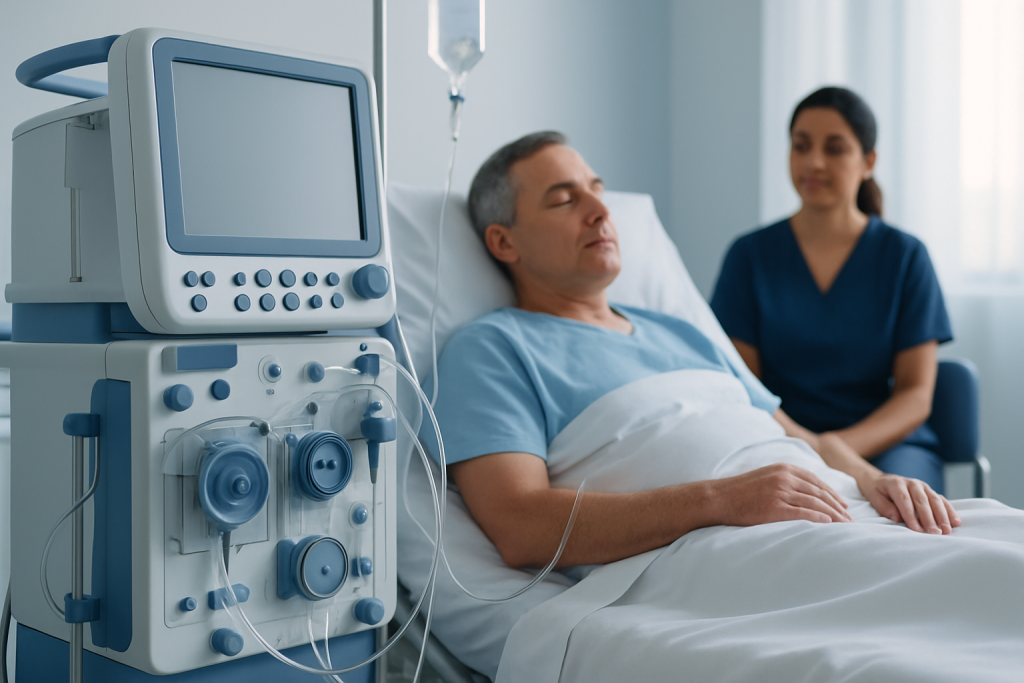
Most patients remain in the hospital for several days after kidney transplant surgery, but discharge is only one checkpoint. Before leaving, the team usually wants to see that the new kidney is producing urine, blood tests are stable, pain is manageable, and the patient can take oral medicines and fluids safely.
After discharge, many patients are advised to stay near the transplant center for a period of close follow-up. That extra time allows the team to repeat blood work, adjust anti-rejection medicines, monitor blood pressure, and make sure there are no early signs of infection, rejection, or a surgical issue. The stay may be short for an uncomplicated recovery, but it can be longer if the patient needs additional monitoring.
International patients often benefit from thinking of recovery in two phases: hospital recovery and nearby outpatient recovery. The second phase may be just as important for a safe journey home, because early transplant care is usually most intensive in the first weeks.
What Determines the Timeline

The safest time to travel depends on several medical details. Kidney function is one of the first things the team checks, along with urine output, blood pressure, and the results of laboratory tests such as creatinine and medication levels. If those numbers are changing, the team may ask for more observation before clearance to travel.
Other factors include how well the incision is healing, whether drains or catheters are still needed, and whether the patient has had any fever, pain, bleeding, nausea, or infection concerns. A person with diabetes, cardiovascular disease, or other chronic conditions may also need a more cautious timeline because recovery can be more complex.
Travel plans are also shaped by logistics. A direct flight home is easier to manage than several connections, and a destination with clear access to a nephrologist or transplant center offers more reassurance. When possible, patients should discuss the journey as part of the treatment plan, not as an afterthought.
- Kidney function and lab stability
- Medication tolerance and dose adjustments
- Wound healing and removal of drains, if present
- Blood pressure and fluid balance
- Distance and complexity of the return trip
When It May Be Safer to Delay Travel
Sometimes the best decision is to stay longer than originally planned. A delay may be recommended if the new kidney is not yet functioning as expected, if there is any concern about rejection, or if blood tests show that immunosuppressant levels need closer tuning. Even small changes early on can matter, so the team may prefer another round of monitoring rather than risk a difficult trip.
Travel is also usually postponed if there is an infection, a wound problem, uncontrolled blood pressure, significant swelling, dehydration, or a need for procedures such as imaging, biopsy, or drain management. These situations are not unusual in transplant care, and they do not necessarily mean something has gone wrong; they simply mean recovery needs more time.
For patients returning to another country, it is wise to consider travel insurance, access to medical records, and the possibility of needing care unexpectedly after arrival. A flexible return date can be helpful, because it allows the medical team to make decisions based on the patient’s actual recovery instead of the calendar alone.
Diagnosis and Monitoring Before Clearance to Travel
Clearance to travel is usually based on a combination of exam findings and test results. The transplant team may review blood chemistry, kidney function, complete blood count, urine tests, blood pressure readings, and, when appropriate, ultrasound or other imaging. If rejection is suspected, further testing may be needed before the patient leaves.
Medication monitoring is especially important because anti-rejection medicines must be kept in the right range. Too little can raise the risk of rejection, while too much can increase side effects or infection risk. That balance is one reason many teams prefer patients to remain close enough for repeat testing during the early phase.
Patients should also receive clear instructions about follow-up timing, emergency contact numbers, medication schedules, and what symptoms should prompt urgent review. A written discharge summary and an updated medication list are valuable travel documents, especially when follow-up will continue in another country.
Recovery Planning for International Patients
Planning after a kidney transplant is often easier when it is treated like part of the procedure itself. International patients usually do best when they arrange accommodation near the hospital, understand how often clinic visits are needed, and know whether a companion should stay with them during the first days after discharge.
A thoughtful plan also includes practical items: enough medication supply for the trip, copies of pathology and imaging reports if relevant, a list of allergies, and contact details for the transplant team. Patients should ask how records can be shared with a doctor back home so that follow-up does not become fragmented once they leave.
Some patients also need advice about air travel after surgery. The team may discuss mobility during the flight, hydration, compression stockings if appropriate, and how to reduce infection exposure in busy airports. Because every recovery is different, travel advice should come from the treating transplant team rather than a general timeline found online.
Warning Signs and When to Seek Medical Advice
After discharge, patients should watch for changes that may need prompt medical attention. Fever, chills, new pain over the transplant site, redness or drainage from the wound, reduced urine output, shortness of breath, vomiting that prevents medication use, or sudden swelling should not be ignored. These signs do not always mean a serious problem, but they do deserve a timely review.
It is also important to seek advice if blood pressure becomes very high or very low, if there is confusion, severe weakness, or if the patient cannot keep up with fluids and medicines. Early contact is especially important for international patients who are far from the transplant center and may need guidance on where to go locally.
When in doubt, the safest approach is to contact the transplant team first. They can help decide whether the issue can be managed with local testing, a clinic review, or a more urgent evaluation.
Prevention and Self-care After Going Home
Good self-care after kidney transplant is less about dramatic measures and more about consistency. Patients are usually advised to take medicines exactly as prescribed, attend follow-up visits, protect the incision while it heals, and report side effects early. Hand hygiene and infection awareness are important because immunosuppressive medicines make the body more vulnerable to germs.
Hydration, balanced nutrition, and gentle activity as approved by the doctor can support recovery. Many patients also benefit from keeping a daily record of temperature, blood pressure, urine output if instructed, and medication times. That simple routine can make it easier to spot changes and discuss them accurately at follow-up.
For those returning to another country, self-care should include continuity of care. A local physician or nephrologist should know the transplant history, current medications, and planned follow-up schedule. In some cases, Acibadem Health Point’s multidisciplinary specialists and JCI-accredited hospitals coordinate diagnosis and treatment for international patients who need structured transplant follow-up before and after travel.
Frequently asked questions
01How long do most people stay after a kidney transplant before traveling home?
The timing varies, because doctors base it on recovery rather than a fixed number of days. Many patients need several days in the hospital and additional time nearby for blood tests, medication adjustment, and early follow-up before long-distance travel is considered safe.
02Why do transplant teams want patients to stay nearby after discharge?
The early period after transplant is when kidney function, medication levels, and wound healing are changing quickly. Staying nearby makes it easier to respond to test results, adjust treatment, and check for early complications without delay.
03Can a patient fly soon after a kidney transplant?
Sometimes yes, but only after the transplant team confirms that recovery is stable. The decision depends on test results, symptoms, wound healing, and the length of the journey, so flight plans should be discussed directly with the surgeon or nephrologist.
04What if a patient feels fine and wants to leave early?
Feeling well is encouraging, but it does not always mean the body is ready for travel. Early transplant care depends heavily on lab monitoring and medication balance, so it is safer to wait for medical clearance rather than rely on symptoms alone.
05What documents should an international patient carry when leaving after transplant?
A discharge summary, medication list, recent lab results, and emergency contact information are especially useful. It also helps to have copies of imaging or pathology reports if the team recommends them, plus instructions for the next follow-up appointment.
06When should someone contact a doctor after returning home?
Any fever, wound changes, reduced urine output, severe swelling, vomiting, or difficulty taking medicines should be reported promptly. Even less dramatic changes can matter after transplant, so patients should not hesitate to seek advice if something feels off.
This article is for general information only and is not a substitute for professional medical advice. Please consult a qualified doctor about your individual situation.
Get these values checked properly — full body check-up in Turkey
JCI-accredited · board-certified surgeons · reply within 24h
Add us as a Preferred Source to see more of our trusted health content across Google Search, AI Overviews and Discover.