Heavy Periods Abroad: When Bleeding Pattern Points to a Procedure

Key Takeaways
- Heavy periods are more than a nuisance when they interfere with daily life, cause anemia, or follow a new and unusual pattern.
- Structural problems such as fibroids, polyps, adenomyosis, and some uterine lining changes may lead doctors to recommend a procedure.
- Ultrasound, blood tests, and sometimes hysteroscopy or biopsy help identify the cause and guide treatment.
- Not every patient needs surgery; some benefit from medication, minimally invasive procedures, or a combination of options.
- Planning care abroad may involve coordinating tests, interpreting records, and arranging follow-up before travel home.
Heavy periods are common, but a bleeding pattern that is unusually heavy, prolonged, or disruptive can point to an underlying issue that may need a procedure rather than just medication. A careful evaluation helps determine whether the cause is hormonal, structural, or related to another medical condition, especially when care is being arranged from abroad.
Overview
Heavy menstrual bleeding can begin as an inconvenience and gradually become something that shapes travel plans, work schedules, and daily energy. For some women, the pattern is the clue that the uterus itself needs closer examination. When bleeding is persistent, worsening, or linked to pain and anemia, doctors often look beyond cycle changes and consider whether a procedure may be the most effective next step.
In practical terms, “heavy periods” usually means bleeding that is much heavier than a woman’s usual pattern, lasts longer than expected, or requires frequent pad or tampon changes. It may also include clots, flooding, spotting between periods, or bleeding after sex. While hormones can play a role, structural causes inside the uterus are common and are often best confirmed with imaging or direct inspection.
For international patients, the decision to seek care abroad often comes after months of trying to manage symptoms at home. That journey may include reviewing past ultrasound reports, sharing laboratory results, and deciding whether the bleeding pattern suggests a targeted procedure such as hysteroscopy, polypectomy, fibroid treatment, or endometrial sampling. The goal is not simply to stop bleeding for one cycle, but to identify why it is happening and treat it in a durable, safe way.
Symptoms
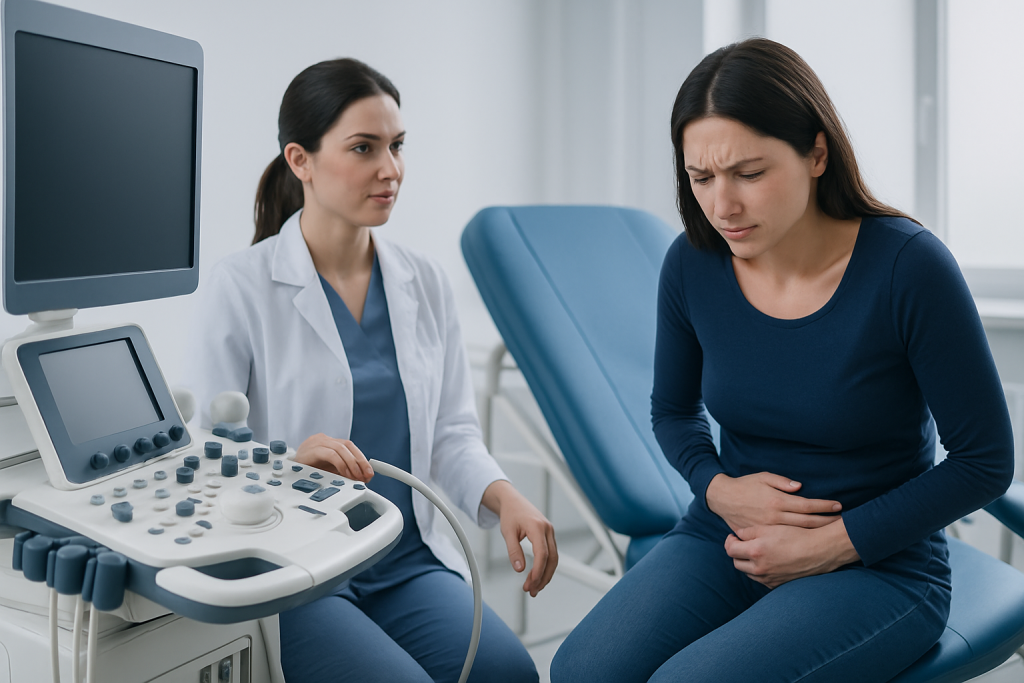
Heavy periods do not look the same for everyone. Some women notice large clots or a need to change protection every hour or two. Others describe soaking through sheets at night, missing appointments because of pain and fatigue, or feeling that menstruation no longer follows a predictable rhythm.
Bleeding patterns that deserve attention often include periods lasting longer than seven days, menstrual flow that is much heavier than before, or bleeding that starts between periods. If the cycle is accompanied by pelvic pressure, pain with intercourse, frequent urination, or a sense of heaviness in the lower abdomen, a structural cause may be involved.
Common warning signs of blood loss include tiredness, dizziness, shortness of breath with activity, paleness, headaches, and difficulty concentrating. These symptoms may suggest iron deficiency or anemia, which can develop slowly and sometimes be mistaken for stress, poor sleep, or jet lag when a woman is traveling.
- Needing to change pads or tampons very frequently
- Bleeding that lasts longer than a typical period
- Passing clots larger than expected
- Intermenstrual bleeding or postcoital bleeding
- Fatigue, weakness, or symptoms of anemia
Causes & Risk Factors
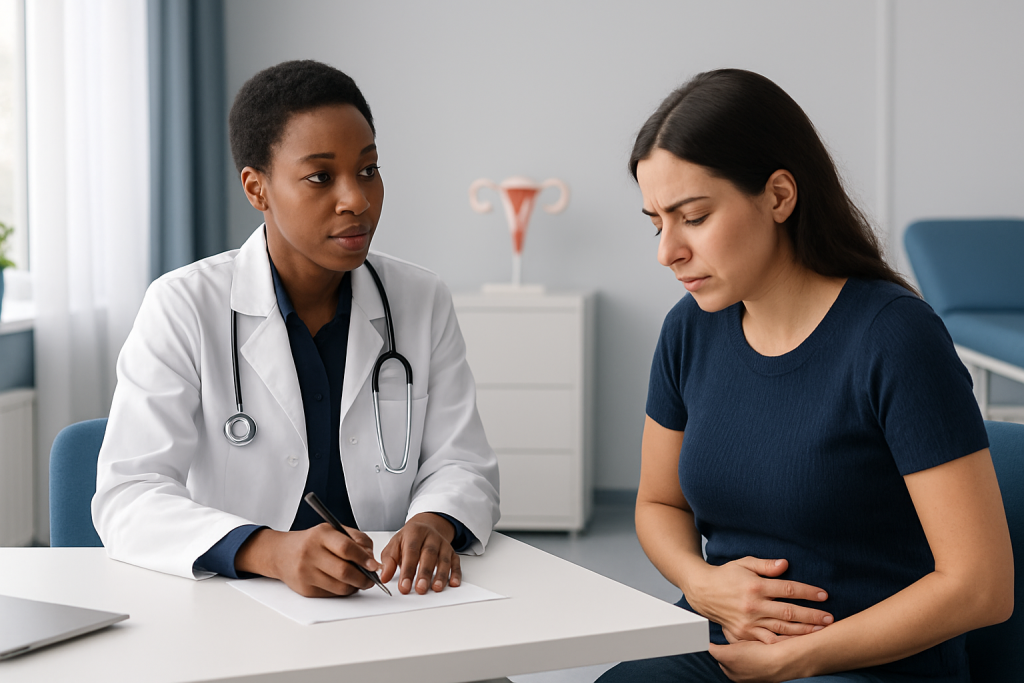
Heavy menstrual bleeding can arise from several different pathways. Hormonal imbalance may make the uterine lining build up too much before shedding. In other cases, a physical issue inside the uterus changes the way bleeding occurs, making a procedure more likely to help than medication alone.
Fibroids are one of the most common structural causes. These benign growths can enlarge the uterus or distort the cavity, leading to heavy or prolonged bleeding. Polyps, which are small tissue growths in the lining of the uterus, can also trigger irregular bleeding. Adenomyosis, where uterine lining tissue grows into the muscular wall, often causes painful, heavy periods. Less commonly, endometrial hyperplasia or other changes in the lining may need direct evaluation.
Risk factors can include age, approaching perimenopause, a history of fibroids or polyps, obesity, certain hormone-related conditions, and bleeding disorders. Copper IUD use can increase flow for some women, while thyroid disease, ovulatory disorders, and some medications may also affect the pattern. A doctor’s job is to sort out which factor is driving the symptoms, because treatment depends on the cause rather than the bleeding alone.
Diagnosis
The diagnostic process usually begins with a detailed history rather than a single test. A doctor will ask how long the bleeding has been heavy, how often pads or tampons are changed, whether clots are present, whether pregnancy is possible, and whether there is pain, pressure, or bleeding between periods. For patients arriving from another country, previous records are especially useful, even if they are only ultrasound images, lab summaries, or translated reports.
Blood tests commonly include a complete blood count to check for anemia and sometimes iron studies, thyroid testing, and pregnancy testing when appropriate. Pelvic ultrasound is often the first imaging step because it can show fibroids, polyps, thickened lining, or other uterine changes. In some situations, saline infusion sonography, hysteroscopy, or endometrial biopsy may be recommended to look more closely at the cavity or sample the lining.
Doctors also consider age and individual risk. A younger woman with occasional heavy cycles may need a different workup from a woman over 40 with a new change in bleeding, or from someone whose symptoms are not improving with medication. The key question is whether the bleeding pattern points to a treatable uterine problem that is better addressed directly.
Treatment Options
Treatment depends on the cause, the severity of symptoms, future fertility plans, and whether the bleeding is causing anemia or limiting daily life. Some women do well with medication that reduces blood loss or helps regulate cycles. Others need a procedure because the source of bleeding is structural or because medication has not been enough.
Minimally invasive options are often considered first when appropriate. Hysteroscopy allows a doctor to look inside the uterus and remove a polyp or small fibroid, or take a biopsy from the lining. If fibroids are the issue, treatment may include myomectomy, uterine artery embolization, or another uterus-preserving approach depending on size, number, and location. Endometrial ablation may be an option for selected patients who no longer want future pregnancy, while hysterectomy is sometimes recommended when symptoms are severe and other treatments are unlikely to provide lasting relief.
The best plan is usually individualized. A patient hoping to preserve fertility may be steered toward different options than someone who wants a definitive solution and can take time for recovery during a medical trip abroad. In every case, the discussion should include likely benefits, risks, recovery time, and whether further follow-up will be needed after returning home.
- Medication to reduce bleeding or correct hormonal imbalance
- Hysteroscopic removal of polyps or selected fibroids
- Myomectomy for fibroids in suitable cases
- Endometrial ablation for carefully selected patients
- Hysterectomy when other measures are not appropriate or have failed
Prevention & Self-care
Not every cause of heavy periods can be prevented, but symptoms can often be managed more safely when they are tracked early. Keeping a menstrual diary helps show pattern changes over time, including cycle length, number of heavy days, clotting, pain, and how often protection must be changed. This record is especially helpful when arranging care from abroad because it gives the medical team a clearer picture before the first appointment.
Self-care is also about protecting overall health while the underlying cause is being clarified. Eating iron-rich foods may help support iron stores, though food alone cannot correct significant deficiency. If a doctor recommends iron supplements or other medication, following the plan consistently can reduce fatigue and help prepare for a procedure if one is needed. Rest, hydration, and planning around heavier days may also make symptoms easier to manage.
When travel is involved, practical preparation matters. Women should bring prior test results, medication lists, and any surgical history, and ask in advance how long they may need to stay for evaluation and recovery. A clear plan for follow-up is important after treatment, since recovery may continue after the return flight home.
When to See a Doctor
A doctor should evaluate heavy periods when the pattern is new, getting worse, or interfering with daily life. This is especially important if bleeding is accompanied by pain, pelvic pressure, anemia symptoms, or bleeding between periods. A change in pattern after previously normal cycles should not be ignored simply because periods have “always been strong.”
Medical review is also advisable when a woman is soaking through pads or tampons quickly, has very large clots, or needs to wake frequently at night to change protection. If pregnancy is possible, bleeding should be assessed promptly. Women who are approaching menopause should mention any change in cycle pattern, because new bleeding at that stage deserves careful evaluation.
Urgent care is appropriate if bleeding is so heavy that there is fainting, chest pain, severe weakness, or inability to stay hydrated, but many cases are handled in a planned outpatient setting. For women seeking care internationally, it is reasonable to ask whether tests can be completed during the visit and whether the treatment plan can be organized around safe travel home. Acibadem Health Point’s multidisciplinary specialists and JCI-accredited hospitals can evaluate and treat heavy bleeding for international patients in a coordinated way.
Recovery and Follow-up After a Procedure
Recovery depends on the exact procedure. After hysteroscopy or polyp removal, many women return to light activity quickly, while fibroid surgery or hysterectomy may require a longer healing period. The medical team will usually explain what bleeding, cramping, or discharge is expected and which symptoms should prompt a call for help.
Follow-up matters because the procedure is only one part of treatment. A doctor may want to review pathology results, check iron levels, or adjust medication if bleeding risk remains. For patients returning overseas, it is sensible to leave with a written summary of the diagnosis, what was done, and what future monitoring is recommended.
Even when a procedure is successful, the body may need time to settle into a new pattern. Some women notice a dramatic improvement in energy once bleeding lessens and iron stores recover. Others need a period of observation before the long-term result becomes clear, which is why communication with the treating team remains important after discharge.
Frequently asked questions
01What counts as a heavy period?
A period is often considered heavy when it lasts longer than usual, requires very frequent changes of pads or tampons, or includes large clots and nighttime flooding. If it starts affecting daily activities or causes fatigue and dizziness, it should be assessed by a doctor.
02Does heavy bleeding always mean surgery is needed?
No. Many women improve with medication or hormonal treatment, and some only need monitoring. Surgery or another procedure is considered when the cause is structural, symptoms are severe, or non-procedural treatment has not worked well enough.
03Can fibroids cause very heavy periods?
Yes. Fibroids are a common reason for heavy or prolonged bleeding, especially when they affect the uterine cavity. The treatment choice depends on the size, location, and number of fibroids, as well as the woman’s future fertility goals.
04What tests are usually done first?
Doctors commonly start with blood tests and a pelvic ultrasound. Depending on the findings, they may recommend hysteroscopy, biopsy, or additional imaging to understand the cause more clearly.
05Can a woman travel abroad for treatment if she has heavy periods?
Yes, many women do, but planning is important. It helps to bring previous reports, ask how long recovery may take, and confirm what follow-up will be needed after returning home.
06When should bleeding be treated as urgent?
Heavy bleeding needs urgent assessment if it causes fainting, severe weakness, chest pain, or inability to stay hydrated. Even when symptoms are not urgent, a new or worsening bleeding pattern should be discussed with a clinician soon.
This article is for general information only and is not a substitute for professional medical advice. Please consult a qualified doctor about your individual situation.
Explore treatments in Turkey — costs, top hospitals & a free quote
JCI-accredited · board-certified surgeons · reply within 24h
Add us as a Preferred Source to see more of our trusted health content across Google Search, AI Overviews and Discover.