Heartburn or Ulcer? How Doctors Separate Reflux, H. pylori, and Alarm Signs

Key Takeaways
- Heartburn usually rises from the chest or throat after meals, while ulcer pain often feels deeper in the upper abdomen and may follow a different pattern.
- H. pylori is a common bacterial cause of peptic ulcers and can be checked with breath, stool, blood, or biopsy tests.
- Alarm signs such as black stools, vomiting blood, trouble swallowing, unexplained weight loss, or anemia need prompt medical attention.
- Many people can be evaluated with a history, exam, and noninvasive tests before endoscopy is considered.
- Lifestyle changes can help reflux symptoms, but ulcers and persistent pain may need specific treatment and follow-up.
Burning in the chest or upper abdomen can come from acid reflux, an ulcer, or another digestive problem, and the clues are not always obvious. Doctors sort these conditions out by listening to the symptom pattern, checking for alarm signs, and using targeted tests when needed.
Overview
“Heartburn or ulcer?” is a common question because both can create burning, aching, or discomfort in the upper digestive tract. The overlap is real: one person may describe a sour taste and chest burning after a late meal, while another notices a gnawing pain in the upper abdomen that improves briefly after eating. To the patient, the sensations can feel similar; to a clinician, the timing, location, and associated symptoms often provide important clues.
Doctors usually think first about acid reflux, also called gastroesophageal reflux disease or GERD, and peptic ulcer disease. Reflux happens when stomach contents move upward into the esophagus, irritating its lining. A peptic ulcer is an open sore in the stomach or the first part of the small intestine, often linked to H. pylori infection or regular use of certain pain relievers. Both conditions can be uncomfortable, but they are not the same illness and do not always need the same treatment.
The goal is not simply to label the pain. It is to identify what is most likely causing it, decide whether a person needs testing, and look for alarm signs that suggest bleeding, blockage, or another diagnosis. For international patients arranging care from another country, a careful first assessment matters even more, because the right test sequence can prevent unnecessary travel steps and speed the path to treatment.
Symptoms Doctors Use to Tell Them Apart

Reflux often causes a burning feeling behind the breastbone, sour belching, regurgitation of food or liquid, or symptoms that become worse when lying down or bending over. Some people also notice hoarseness, a chronic cough, or a sensation of a lump in the throat. These symptoms may be more noticeable after large meals, alcohol, coffee, fatty foods, or late-night eating.
Ulcer pain tends to be felt in the upper abdomen, sometimes described as gnawing, aching, or hunger-like. It may improve temporarily with food or antacids in some people, then return later. However, symptom patterns are not perfect: ulcers can also cause nausea, bloating, early fullness, or no symptoms at all until a complication occurs.
Doctors pay close attention to the details around the discomfort. Helpful clues include:
- Where the pain starts and whether it moves upward or stays in the upper abdomen
- Whether symptoms are linked to meals, nighttime, or lying down
- Any vomiting, black stools, blood in vomit, or unexplained fatigue
- Whether pain relievers such as ibuprofen or naproxen are used regularly
- Whether there is a history of H. pylori, ulcers, reflux, or stomach surgery
Causes and Risk Factors
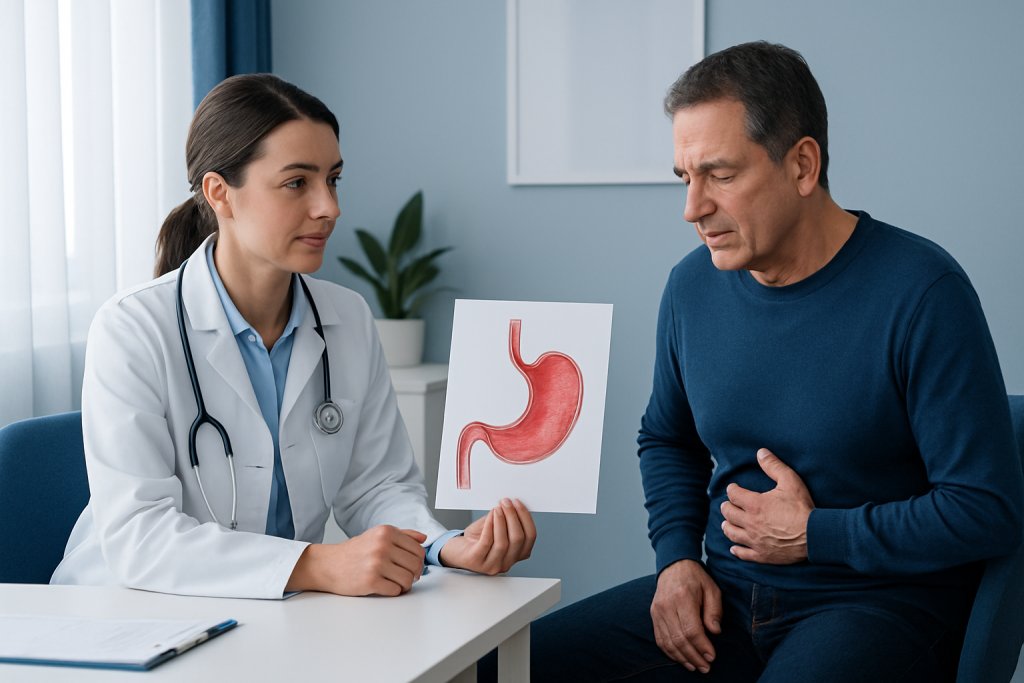
Acid reflux usually develops when the lower esophageal sphincter does not close tightly enough, allowing acid to escape from the stomach into the esophagus. Factors that can make this more likely include obesity, pregnancy, smoking, certain medications, hiatal hernia, and habits that increase pressure on the stomach, such as very large meals or lying down soon after eating.
Peptic ulcers have a different set of common causes. The two major ones are H. pylori infection and frequent use of nonsteroidal anti-inflammatory drugs (NSAIDs). H. pylori is a bacterium that can live in the stomach lining for years, slowly damaging tissue and increasing the risk of an ulcer. NSAIDs can reduce the stomach’s protective barrier, making it more vulnerable to acid injury.
Some people have higher risk for complications or for confusing symptoms that mimic reflux or ulcers. Risk factors include older age, a history of ulcer disease, smoking, heavy alcohol use, prior gastrointestinal bleeding, and taking blood thinners or steroids together with NSAIDs. Stress can worsen how symptoms feel, but it is not usually the sole cause of an ulcer.
How Doctors Make the Diagnosis
The first step is usually a detailed medical history and physical examination. A doctor will ask when the symptoms began, what makes them better or worse, and whether there are warning signs that point to bleeding or another serious problem. In many cases, this conversation helps determine whether reflux is more likely or whether testing for an ulcer should come first.
If H. pylori is suspected, doctors may use a breath test or stool antigen test, which look for active infection. Blood tests are less useful for a current infection because they may stay positive even after the bacteria are gone. If the diagnosis is less clear, or if there are alarm signs, upper endoscopy may be recommended. During endoscopy, a thin flexible camera examines the esophagus, stomach, and first part of the small intestine, and small tissue samples can be taken if needed.
Other tests may be ordered when symptoms do not fit a simple pattern. These can include blood counts to check for anemia, stool tests for hidden blood, or imaging in selected cases. The exact plan depends on age, symptom severity, medication use, and whether the clinician is concerned about an ulcer, severe reflux, or another condition such as gallbladder disease, pancreatitis, or heart-related pain.
Treatment Options
Treatment depends on the cause. For reflux, the first approach may include lifestyle changes and medicines that reduce acid or protect the esophagus. Doctors may suggest measures such as avoiding trigger foods, stopping smoking, raising the head of the bed, and not lying down soon after meals. If symptoms are frequent or troublesome, acid-suppressing medicines may be recommended under medical guidance.
For an ulcer caused by H. pylori, treatment usually includes a combination plan aimed at eradicating the bacteria and allowing the ulcer to heal. If NSAIDs are contributing, the doctor may advise stopping them or switching to a safer alternative when possible. Ulcers complicated by bleeding, perforation, or blockage need urgent specialist care and sometimes hospital treatment or a procedure.
People sometimes try to self-treat all upper abdominal burning as “indigestion,” but that can delay the right diagnosis. The most effective plan is one that matches the cause: reflux care for reflux, infection treatment for H. pylori, and ulcer protection when the stomach lining has been damaged. Follow-up may be needed to confirm healing or ensure the infection has cleared.
Prevention and Self-care
Not every episode of heartburn or upper abdominal discomfort can be prevented, but several practical habits can reduce flare-ups. Smaller meals, slower eating, and avoiding a heavy late dinner often help reflux-prone patients. Keeping a diary of symptom triggers can be useful, especially when travel, diet changes, or stress make patterns hard to recognize.
Safe self-care also means being careful with over-the-counter medicines. Frequent NSAID use can contribute to ulcers, so people who rely on pain relievers should ask a clinician whether their medication choices are appropriate. Alcohol moderation, smoking cessation, and weight management can improve reflux symptoms and overall digestive health. Sleeping with the upper body slightly elevated may help people whose symptoms appear at night.
For international patients, it helps to bring a clear list of current medicines, prior test results, and any past endoscopy reports when seeking care abroad. That information allows the specialist team to avoid repeat testing when unnecessary and to choose the most efficient next step. At Acibadem Health Point, multidisciplinary specialists and JCI-accredited hospitals can help diagnose and treat this condition for international patients with coordinated care.
When to See a Doctor
Medical evaluation is important when heartburn happens often, lasts despite basic measures, or begins for the first time later in adulthood. It is also worth seeking care if pain is waking someone from sleep, making eating difficult, or leading to ongoing nausea or vomiting. Even if the cause turns out to be reflux, persistent symptoms deserve a proper plan rather than repeated guesswork.
Some symptoms should be checked promptly because they can signal bleeding, an ulcer complication, or another serious problem. These include black or tarry stools, vomiting blood or material that looks like coffee grounds, fainting, severe weakness, chest pain, shortness of breath, trouble swallowing, unexplained weight loss, or signs of anemia such as unusual fatigue or paleness. In these situations, a doctor may recommend urgent assessment.
People with a history of ulcers, H. pylori, ongoing NSAID use, or prior gastrointestinal bleeding should not ignore new or changing symptoms. A timely consultation can clarify the cause and reduce the chance of complications. When the pattern is unclear, asking for a targeted digestive evaluation is a reasonable next step.
Living With Ongoing Symptoms and Following Up
Some people feel better quickly once the correct treatment begins, but others need a period of adjustment and follow-up. Reflux often improves with consistent habits and medicine timing, while ulcers may need a healing period even after the cause has been addressed. If symptoms change, return, or do not improve as expected, the doctor may revisit the diagnosis rather than simply repeating the same treatment.
Follow-up is especially important after treatment for H. pylori or after an ulcer-related bleed. The clinician may want to confirm that the infection has cleared or that the ulcer has healed, depending on the case. Patients traveling from abroad should plan for clear discharge instructions, access to reports, and a practical follow-up pathway with their home doctor or specialist.
Digestive symptoms are common, but “common” does not mean they should be self-diagnosed. Careful evaluation helps separate everyday reflux from an ulcer, and both from conditions that need faster attention. That clarity is often what makes treatment feel less stressful and more predictable.
Frequently asked questions
01How can a doctor tell heartburn from an ulcer if the pain feels similar?
Doctors look at the pattern: heartburn often rises behind the breastbone and may worsen after meals or when lying down, while ulcer pain is more often felt in the upper abdomen. The history, exam, and sometimes testing for H. pylori help separate them.
02What is H. pylori and why does it matter?
H. pylori is a bacterium that can live in the stomach and damage the lining over time. It is a common cause of peptic ulcers, and treating it is important because the ulcer may not heal fully if the infection remains.
03Do all people with heartburn need an endoscopy?
No. Many people are evaluated first with symptoms, exam, and noninvasive tests. Endoscopy is usually considered when alarm signs are present, symptoms are persistent, or the diagnosis is uncertain.
04Can an ulcer heal on its own?
Some ulcers may improve temporarily, but the cause still needs attention. If H. pylori or NSAID use is involved, the ulcer can return or worsen unless the underlying problem is treated.
05Which symptoms should be treated as warning signs?
Black stools, vomiting blood, trouble swallowing, unexplained weight loss, fainting, severe weakness, or ongoing vomiting deserve prompt medical attention. These symptoms can suggest bleeding or another complication that should not be ignored.
06Can lifestyle changes alone fix reflux?
Lifestyle changes can make a meaningful difference for some people, especially when symptoms are mild and occasional. If reflux is frequent, severe, or affecting sleep and eating, a doctor may recommend additional treatment.
This article is for general information only and is not a substitute for professional medical advice. Please consult a qualified doctor about your individual situation.
Persistent digestive symptoms? Get evaluated in Turkey
JCI-accredited · board-certified surgeons · reply within 24h
Add us as a Preferred Source to see more of our trusted health content across Google Search, AI Overviews and Discover.