Gallstones, Polyps, or Pain: Which Ultrasound Findings Usually Matter Most

Key Takeaways
- Gallstones are common and may be silent, but they matter more when they cause repeated pain, infection, or blockage.
- Small gallbladder polyps often need monitoring rather than immediate treatment, while larger or changing polyps deserve closer review.
- Ultrasound findings are interpreted together with symptoms such as right upper abdominal pain, nausea, fever, or yellowing of the skin or eyes.
- Pain without a clear ultrasound abnormality can still be clinically important and may need further evaluation.
- The right plan may range from observation and diet guidance to repeat imaging or surgery, depending on the cause and pattern of symptoms.
An abdominal ultrasound can reveal gallstones, gallbladder polyps, or signs that the gallbladder may be irritated, but not every finding requires urgent treatment. The most important next step is matching the ultrasound result with symptoms, exam findings, and overall risk factors.
Overview
An ultrasound report can look straightforward on paper and still leave a person with more questions than answers. A gallstone, a gallbladder polyp, or a comment about tenderness during the scan can each mean something different, and the real importance depends on the full picture rather than a single line in the report.
The gallbladder is a small storage pouch under the liver that holds bile, a fluid that helps digest fat. On ultrasound, doctors can usually see whether stones are present, whether the gallbladder wall looks thickened, and whether there is a polyp-like growth attached to the lining. Some findings are incidental and never cause trouble, while others are clues that explain recurring pain or inflammation.
For people arranging care from another country, this distinction matters even more. An isolated ultrasound image may not tell the entire story, so a careful review of symptoms, past episodes, laboratory tests, and sometimes repeat imaging helps determine whether a finding should be watched, investigated further, or treated.
Symptoms
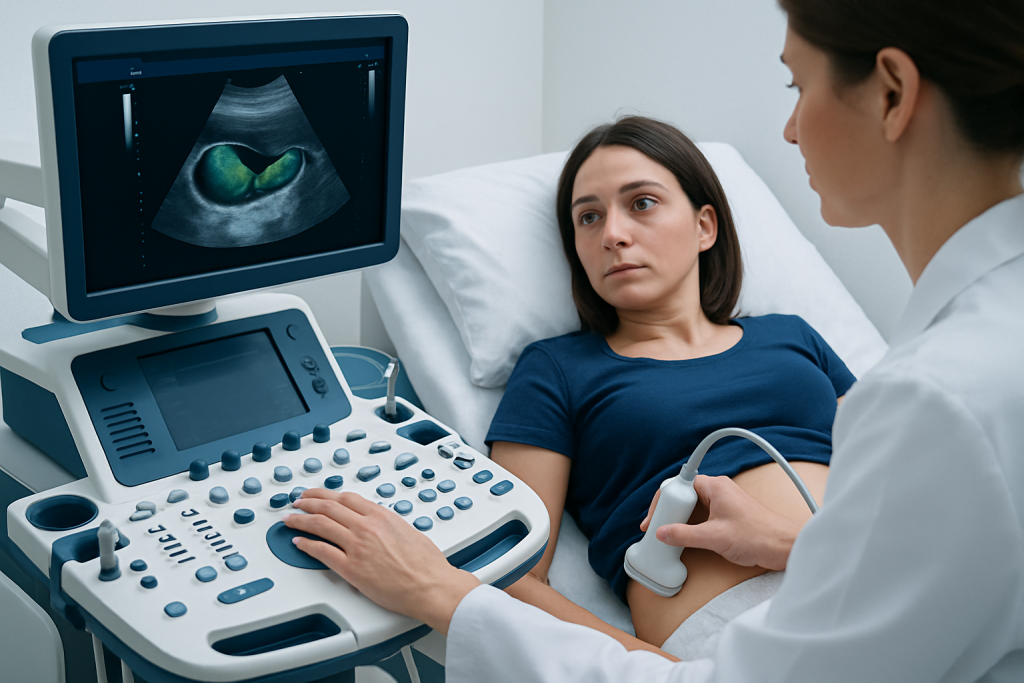
Gallbladder-related symptoms often cluster around the right upper part of the abdomen, especially after a fatty meal or during the night. Pain may spread to the back or right shoulder blade and can be steady or crampy. Nausea, bloating, and a feeling of fullness are also common.
Some ultrasound findings are discovered before symptoms appear. A person may have gallstones or a small polyp and feel completely well, which is why incidental findings are not automatically treated. In those cases, the report matters, but the decision usually depends on size, appearance, and whether there are risk factors for future problems.
More concerning symptoms suggest that the finding may be clinically important rather than incidental:
- Repeated episodes of right upper abdominal pain
- Fever or chills with abdominal pain
- Yellowing of the skin or eyes
- Vomiting that does not settle
- Dark urine or pale stools
Pain that is severe, persistent, or different from prior episodes deserves prompt medical attention, especially if it follows a scan that shows a stone blocking the bile duct or signs of inflammation.
Causes & Risk Factors
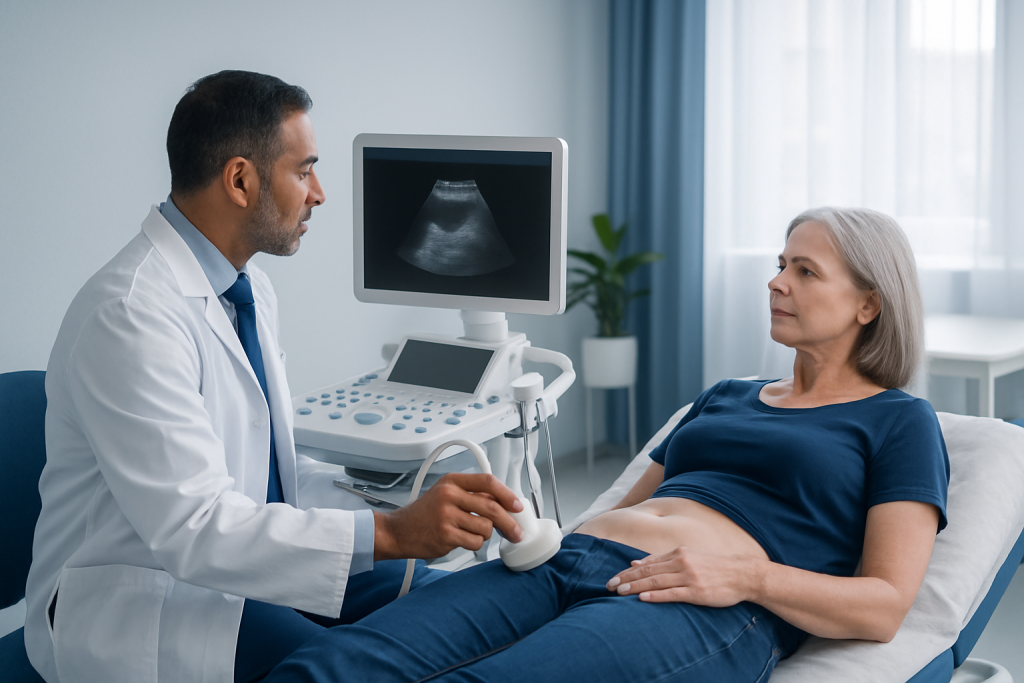
Gallstones usually form when bile contains too much cholesterol or pigment material, or when the gallbladder does not empty efficiently. Many factors can contribute, including age, female sex, pregnancy, rapid weight loss, obesity, certain diets, and a family history of gallstones. Some people develop stones without any obvious risk factors.
Gallbladder polyps are small growths from the lining of the gallbladder. Most are benign, and many are cholesterol polyps rather than true tumors. They are often found by chance during ultrasound performed for unrelated abdominal symptoms.
Not every ultrasound feature is a separate disease. A tender gallbladder during the scan, wall thickening, or fluid nearby may suggest irritation or inflammation, especially if the person also has fever or a raised white blood cell count. The clinical context helps decide whether a finding is simple observation, active inflammation, or a sign that the bile ducts are involved.
Risk factors that may make a finding more important include:
- Polyps that are larger, growing, or associated with symptoms
- Gallstones that trigger repeated attacks of pain
- Blocked bile flow or jaundice
- Older age or certain underlying bowel and liver conditions
- Evidence of gallbladder inflammation on imaging or blood tests
Diagnosis
Ultrasound is usually the first and most useful test for gallbladder problems. It can detect stones, estimate polyp size, show gallbladder wall changes, and sometimes suggest whether the gallbladder is tender during the exam. Because it is noninvasive and does not use radiation, it is well suited to first-line assessment.
Still, ultrasound is only one part of diagnosis. A doctor will usually ask when the pain started, where it is located, how long it lasts, whether meals trigger it, and whether there have been previous attacks. Blood tests may be ordered to look for infection, liver irritation, or bile duct blockage.
If the ultrasound findings and symptoms do not match neatly, additional imaging may be recommended. Depending on the situation, this may include repeat ultrasound, CT, MRI, or a specialized bile-duct study. The aim is not to collect more images for their own sake, but to clarify whether a finding is harmless, stable, or part of a problem that needs treatment.
Treatment Options
Treatment depends on what the ultrasound shows and, just as importantly, what the person feels. A small, symptom-free gallbladder polyp may simply be monitored over time. Gallstones that never cause discomfort may also be observed, especially if the person is not a good candidate for surgery.
When gallstones repeatedly cause pain or complications, gallbladder removal is often the most definitive treatment. This is commonly done laparoscopically, which usually means smaller incisions and a shorter recovery than open surgery, though the best approach depends on the person’s overall condition and anatomy.
Medication can sometimes help manage symptoms, but it does not remove most stones or polyps. If an ultrasound suggests infection, blockage, or inflammation of the bile ducts, treatment becomes more urgent and may require antibiotics, endoscopic procedures, or surgery.
Typical management paths include:
- Observation with repeat imaging for small, low-risk polyps
- Symptom control and dietary adjustments for mild, infrequent discomfort
- Gallbladder removal for recurrent gallstone attacks or higher-risk polyps
- Urgent care when fever, jaundice, or severe pain suggests a complication
For international patients, treatment planning often includes discussing the timing of care, expected recovery, and follow-up after returning home. A clear plan matters because gallbladder symptoms can recur unpredictably if the underlying problem remains in place.
Prevention & Self-care
Not all gallbladder findings can be prevented, but some habits may lower the chance of symptoms or future stone formation. Gradual, steady weight management is generally better than rapid weight loss, which can increase gallstone risk. Regular meals may also support more normal gallbladder emptying.
When symptoms are mild and a doctor has ruled out urgent complications, simple self-care may reduce discomfort. Some people notice that very fatty meals trigger attacks, so smaller portions and lighter meals can be helpful. Staying hydrated and keeping a regular follow-up schedule are also practical steps.
Self-care should complement, not replace, medical review. A person should keep a record of pain episodes, meal triggers, and any associated fever, nausea, or yellowing of the eyes, because that information can help the doctor decide whether a scan result is becoming more important over time.
Useful habits often include:
- Maintaining a balanced diet rather than crash dieting
- Noticing and avoiding personal food triggers if advised
- Following up on repeat ultrasound appointments
- Bringing prior reports when seeking a second opinion
When to See a Doctor
A doctor should review gallbladder ultrasound findings when pain is recurring, the report mentions a polyp or stone that needs monitoring, or there is uncertainty about what the finding means. Even a “small” result may matter if symptoms are persistent or growing in frequency.
Prompt assessment is especially important if abdominal pain comes with fever, vomiting, jaundice, or pain that lasts longer than usual. These features can point to gallbladder inflammation or bile duct blockage, both of which require timely evaluation.
People who are travelling for care may benefit from a specialist review when local imaging is unclear or when a second opinion is needed before deciding on surgery. Acibadem Health Point’s multidisciplinary specialists and JCI-accredited hospitals diagnose and treat gallbladder conditions for international patients, with care planning that can include imaging review, treatment selection, and follow-up coordination.
It is sensible to seek medical advice sooner rather than later if the ultrasound report is ambiguous, if symptoms are disrupting daily life, or if there is a history of liver, bowel, or biliary disease that could change how the finding is interpreted.
Living with an Ultrasound Finding
Many people feel uneasy when a scan finds something in the gallbladder, especially if the report uses terms that sound technical or uncertain. In practice, the most useful question is not simply “Is there a stone or polyp?” but “Does this finding explain the symptoms, and does it need action now?”
That approach keeps care grounded and avoids unnecessary alarm. Some findings are watched, some are treated, and some are essentially incidental. A thoughtful review with a clinician helps separate those paths and gives the person a realistic sense of what to expect next.
For those coordinating care across borders, keeping copies of reports, images, and symptom notes makes follow-up much smoother. A well-organized record helps doctors compare changes over time and decide whether the ultrasound finding is stable, improving, or beginning to matter more.
Bottom Line
On a gallbladder ultrasound, the finding that matters most is the one that fits the overall clinical story. Gallstones become important when they cause symptoms or complications, polyps matter more when they are larger or changing, and pain matters even when the image looks mild if the symptoms are convincing.
The safest path is a balanced one: do not dismiss persistent symptoms, but do not assume every incidental scan finding means urgent treatment. With careful interpretation, ultrasound can guide the next step with confidence rather than confusion.
Frequently asked questions
01If my ultrasound shows gallstones, do I always need surgery?
No. Some gallstones never cause symptoms and can be monitored. Surgery is more often considered when stones repeatedly cause pain or lead to complications such as inflammation or bile duct blockage.
02Are gallbladder polyps cancerous?
Most gallbladder polyps are benign, especially when small. Doctors pay more attention to larger polyps, growth over time, or polyps seen in people with certain risk factors.
03Can ultrasound tell whether gallbladder pain is serious?
Ultrasound can show stones, polyps, wall thickening, and other clues, but it cannot stand alone. The final judgment depends on symptoms, examination, and sometimes blood tests or further imaging.
04What symptoms make a gallbladder finding more urgent?
Fever, jaundice, persistent vomiting, or severe right upper abdominal pain deserve prompt review. These can suggest inflammation or blockage rather than a simple incidental finding.
05Can lifestyle changes help with gallbladder symptoms?
They can help some people, especially when symptoms are mild or infrequent. Lighter meals, steady weight management, and tracking food triggers may reduce discomfort, but they do not remove stones or polyps.
06What if I am traveling and my ultrasound report is unclear?
It is reasonable to seek a specialist review before making decisions about treatment. Bringing the report, images, and symptom history helps a doctor judge whether the finding needs observation, repeat imaging, or treatment.
This article is for general information only and is not a substitute for professional medical advice. Please consult a qualified doctor about your individual situation.
Persistent digestive symptoms? Get evaluated in Turkey
JCI-accredited · board-certified surgeons · reply within 24h
Add us as a Preferred Source to see more of our trusted health content across Google Search, AI Overviews and Discover.