Gallbladder Surgery Abroad: When Stones, Sludge, or Recurrent Pain Change the Plan

Key Takeaways
- Gallbladder surgery is usually recommended when symptoms are recurrent, complications develop, or non-surgical care is no longer enough.
- Gallstones and biliary sludge can cause pain after meals, nausea, bloating, and sometimes inflammation or infection.
- Diagnosis typically uses history, examination, blood tests, and imaging such as ultrasound.
- Laparoscopic cholecystectomy is the most common operation, with recovery often focusing on gradual activity and temporary diet adjustments.
- Traveling for surgery requires planning for medical records, post-op follow-up, and safe timing before flying home.
Gallbladder surgery is often considered when stones, sludge, or repeated pain begin to disrupt daily life or create ongoing digestive problems. For people exploring treatment abroad, understanding when surgery is recommended and how recovery is planned can make the decision clearer and calmer.
Overview
The gallbladder is a small organ that stores bile, a fluid that helps digest fat. When stones form, sludge thickens, or the gallbladder repeatedly becomes irritated, it can start sending a very clear message: meals are no longer being handled comfortably.
Gallbladder surgery, usually called cholecystectomy, removes the gallbladder so the body can continue digesting without this troublesome reservoir. Many people first learn they need surgery after several episodes of right-sided upper abdominal pain, nausea, or a scan that shows stones or sludge even when symptoms seem to come and go.
For international patients, the decision often involves more than whether surgery is “needed.” It also includes where the operation will be done, how quickly an evaluation can happen, what support is available after discharge, and whether follow-up can be coordinated once the person returns home. Those practical questions matter because gallbladder problems tend to appear at inconvenient times and can become harder to ignore after repeated attacks.
Symptoms
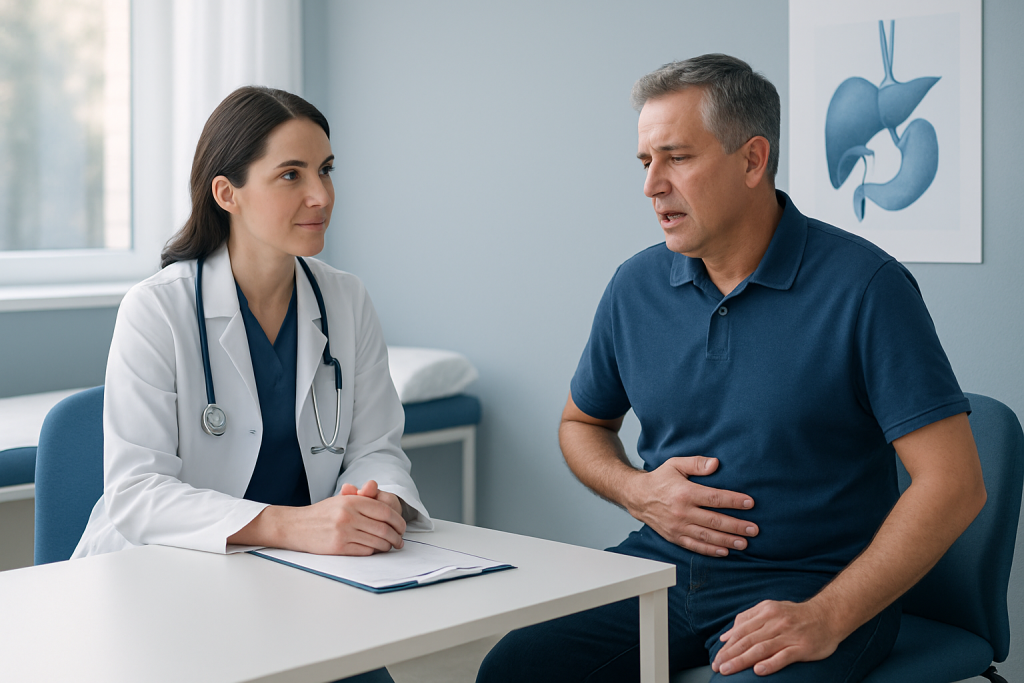
Gallbladder symptoms are often felt after eating, especially after richer or heavier meals. The most familiar pattern is pain in the upper right side of the abdomen or in the center of the upper belly, sometimes spreading to the back or right shoulder blade. This discomfort may last minutes or several hours and can be accompanied by nausea, bloating, or vomiting.
Not everyone experiences a dramatic attack. Some people notice only a vague sense of fullness, frequent indigestion, or a careful avoidance of certain foods because they seem to trigger discomfort. Biliary sludge, which is a mixture of thickened bile and tiny particles, can behave much like stones and may lead to repeated symptoms even when a scan does not show a large stone.
Symptoms that suggest the situation may be more urgent include fever, yellowing of the skin or eyes, dark urine, pale stools, or severe persistent pain. These can point to inflammation, blockage, or infection and should be assessed promptly.
Causes & Risk Factors
Gallstones form when the components of bile are out of balance. Cholesterol can become too concentrated, bile may not empty efficiently, or pigment-based stones may develop under certain conditions. Biliary sludge can appear when bile sits too long or becomes thicker than normal, which is why reduced gallbladder emptying sometimes plays a part.
Several factors can increase the chance of stones or sludge. A family history of gallstones, female sex, pregnancy, rapid weight loss, obesity, and certain metabolic conditions are all common contributors. Age can also matter, as gallstones become more frequent over time.
Even without a long list of risk factors, repeated pain may still lead to surgery. What matters most is the pattern: whether symptoms are recurring, whether complications are appearing, and whether the gallbladder is clearly the source of the problem. In that sense, the body’s symptoms often guide the plan more than any single risk factor does.
Diagnosis
Evaluation usually begins with a careful description of the pain. A doctor will ask where the discomfort is felt, how long it lasts, whether it follows meals, and whether there have been nausea, vomiting, fever, or changes in the color of urine and stool. A physical examination helps check for tenderness or signs that the gallbladder may be inflamed.
Ultrasound is commonly the first and most useful imaging test because it can identify gallstones, sludge, and signs of inflammation. Blood tests may be ordered to look for infection, liver irritation, bile duct blockage, or pancreatitis. In some cases, additional imaging is needed if the symptoms are not fully explained by the first scan.
For patients arranging care abroad, it is especially helpful to bring prior ultrasound reports, laboratory results, and any discharge summaries from past emergency visits. Those records help the surgical team determine whether the pain pattern fits gallbladder disease and whether the operation can be planned safely and efficiently.
Treatment Options
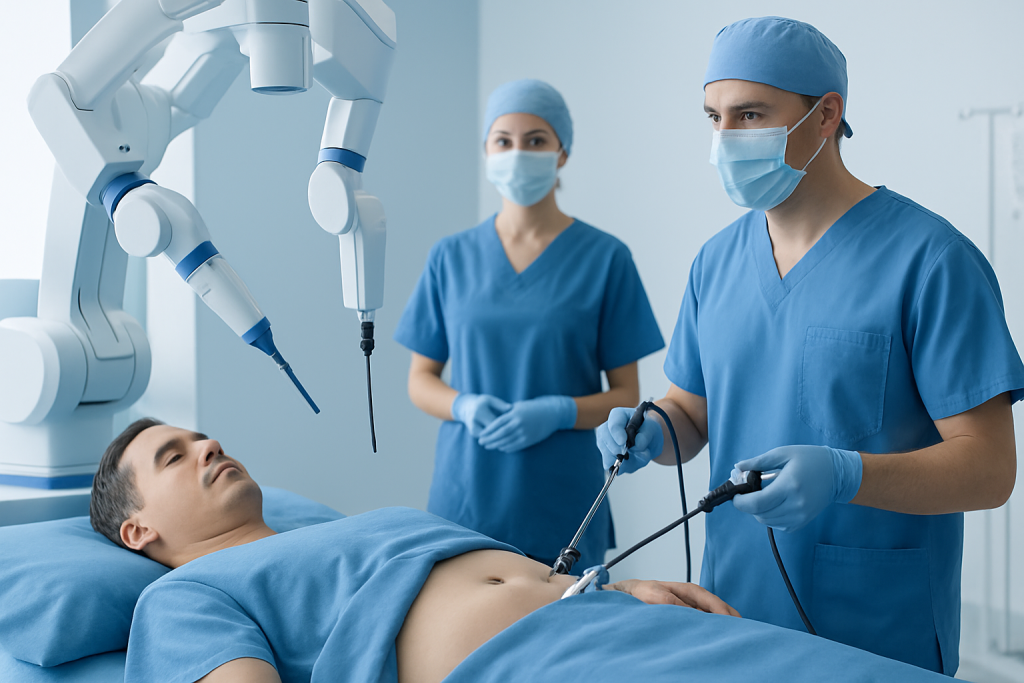
When gallstones or sludge are causing repeated symptoms, surgery is often the most durable treatment. The standard operation is laparoscopic cholecystectomy, performed through several small incisions with camera guidance. This approach is commonly chosen because it usually allows a quicker recovery and less postoperative discomfort than open surgery.
In some situations, especially if there is severe inflammation, prior abdominal surgery, or another technical concern, an open operation may be considered. The choice depends on the anatomy, the degree of inflammation, the patient’s overall health, and the surgeon’s judgment on the safest approach. If the gallbladder problem is part of a larger bile duct issue, additional procedures may be needed before or during surgery.
Not every person with gallstones needs immediate surgery. If stones are found incidentally and symptoms are absent, doctors may recommend observation rather than operation. However, once attacks become repetitive or complications appear, the discussion often shifts from “watch and wait” to “how best to treat this now.”
When planning surgery abroad, it is helpful to ask how pain control, diet advancement, activity, and post-discharge review will be handled. A clear explanation of the surgical plan can reduce uncertainty, especially when the patient will be continuing recovery in another country.
Prevention & Self-care
Gallbladder problems cannot always be prevented, but some habits may reduce strain on the digestive system and make symptoms less troublesome. Eating regular meals, staying hydrated, and avoiding extreme dieting or very rapid weight loss are practical steps that support steadier bile flow. Many people also notice that very heavy, greasy meals are more likely to trigger discomfort.
After surgery, the body usually adapts well to life without a gallbladder, but a short adjustment period is common. Smaller meals and a gradual return to normal foods can make the transition easier. Walking, as advised by the care team, often helps recovery by supporting circulation and reducing stiffness after the operation.
- Keep a note of foods that seem to trigger pain before surgery.
- Follow the surgeon’s instructions on fasting before the operation.
- Arrange help with travel, luggage, and transport after discharge.
- Plan a few quiet days after surgery before long journeys or return flights.
For international patients, self-care also includes practical planning. Having copies of test results, knowing which symptoms should prompt urgent medical review, and understanding how to contact the surgical team after returning home all make recovery feel more manageable.
When to See a Doctor
A medical review is wise if upper abdominal pain keeps returning, especially when it follows meals or comes with nausea and bloating. Even if symptoms settle on their own, repeated attacks can signal an underlying gallbladder problem that is likely to recur.
Prompt assessment is important if pain is severe, lasts longer than usual, or is accompanied by fever, yellowing of the skin or eyes, vomiting that prevents fluids, or marked tenderness. These features can suggest a complication such as gallbladder inflammation or bile duct obstruction and should not be ignored.
People considering surgery abroad should seek a consultation before traveling whenever possible, so tests and planning can be organized in advance. In the right setting, multidisciplinary specialists and JCI-accredited hospitals such as Acibadem Health Point can help international patients diagnose and treat gallbladder disease with coordinated care and follow-up planning.
Recovery and Life After Surgery
Recovery after gallbladder surgery varies, but many people are able to move around the same day and return to light daily activity relatively soon, depending on the surgical approach and overall health. The main focus in the first days is usually comfort, walking, hydration, and protecting the incision sites as they heal.
Digestive changes can happen briefly after surgery. Some people notice looser stools or mild bloating at first, while others feel little change apart from the disappearance of the attacks that brought them to surgery. The body usually adapts over time, and most people gradually return to a normal diet with guidance from their doctor.
For those recovering away from home, the timing of travel matters. Long flights or extended car rides may be discouraged too soon after surgery, particularly if pain is not well controlled or if the care team wants to monitor healing first. A clear discharge plan, emergency contact information, and instructions for follow-up abroad help make the transition safer and less stressful.
Living with Recurrent Pain Before Surgery
Waiting for surgery can feel frustrating when attacks keep interrupting meals, sleep, or work. A useful approach is to keep track of the timing of symptoms, foods eaten beforehand, and any associated fever, vomiting, or jaundice. This record can help the medical team confirm the pattern and decide whether the gallbladder is the likely cause.
Temporary diet adjustments are sometimes recommended, but they are not a substitute for treatment when symptoms are persistent. If pain episodes are becoming more frequent, that usually means the problem is less likely to settle on its own. In that setting, the goal becomes careful planning rather than repeated short-term fixes.
People traveling for care should also consider practical details such as who will accompany them, where they will stay after discharge, and how quickly they can return if a follow-up visit is needed. Those arrangements can be as important as the operation itself because they support a smoother recovery and reduce avoidable stress.
Frequently asked questions
01Do all gallstones need surgery?
No. Some gallstones are found by chance and never cause symptoms. Surgery is more commonly considered when stones or sludge lead to repeated pain, inflammation, or other complications.
02What is the difference between gallstones and biliary sludge?
Gallstones are hardened deposits, while biliary sludge is thicker bile with tiny particles that can behave like an early form of stone disease. Both can cause similar symptoms and may need similar treatment if they become persistent or painful.
03Is laparoscopic gallbladder surgery always possible?
It is the most common approach, but not always the right one for every patient. Severe inflammation, prior surgery, or other findings may lead a surgeon to recommend a different method for safety reasons.
04How long does recovery usually take?
Recovery depends on the type of surgery and the person’s overall health. Many people resume light activities fairly soon, while heavier exertion and travel may need more time and a surgeon’s approval.
05Can someone live normally without a gallbladder?
Yes, most people adjust well and continue to digest food normally. The liver still makes bile, and it flows directly into the intestine instead of being stored in the gallbladder.
06What should an international patient bring to a gallbladder surgery consultation?
Previous ultrasound reports, blood test results, medication lists, and summaries from any emergency visits are very useful. These documents help the team understand the history and plan care more precisely.
This article is for general information only and is not a substitute for professional medical advice. Please consult a qualified doctor about your individual situation.
Persistent digestive symptoms? Get evaluated in Turkey
JCI-accredited · board-certified surgeons · reply within 24h
Add us as a Preferred Source to see more of our trusted health content across Google Search, AI Overviews and Discover.