Fibula: Anatomy, Function and Common Injuries

Key Takeaways
- The fibula helps stabilize the ankle and supports muscles and ligaments in the lower leg.
- Pain, swelling, tenderness, or trouble walking may signal a fibula injury or another lower-leg problem.
- Diagnosis may include a physical exam, X-rays, and sometimes MRI or CT imaging.
- Treatment depends on the type of injury and may include rest, immobilization, surgery, or rehabilitation.
- Recovery is usually guided by gradual return to activity and follow-up with an orthopedic specialist.
The fibula is the thinner bone of the lower leg, and although it does not bear most body weight, it plays an important role in ankle stability and muscle support. Problems involving the fibula can range from fractures and stress injuries to nerve-related symptoms, and proper evaluation helps guide safe recovery.
Overview
The fibula is the slender bone on the outer side of the lower leg, running parallel to the tibia. It is often described as the “smaller” lower-leg bone, but that label can be misleading; the fibula contributes to ankle stability, provides attachment points for muscles and ligaments, and helps the leg move smoothly during walking, running, and turning.
Because it is less weight-bearing than the tibia, a fibula problem is sometimes overlooked at first. Even so, an injury to this bone can affect balance, ankle function, and comfort with everyday activities such as climbing stairs or standing for long periods. In international-patient care, this matters because a person may travel expecting a simple sprain and later learn that the fibula is involved, which changes the treatment plan.
Fibula conditions include fractures, stress fractures, ligament-related injuries near the ankle, and less commonly bone infection, tumors, or nerve irritation around the outer knee and lower leg. The right treatment depends on the cause, the location of the problem, and whether nearby joints or soft tissues are also affected.
Symptoms
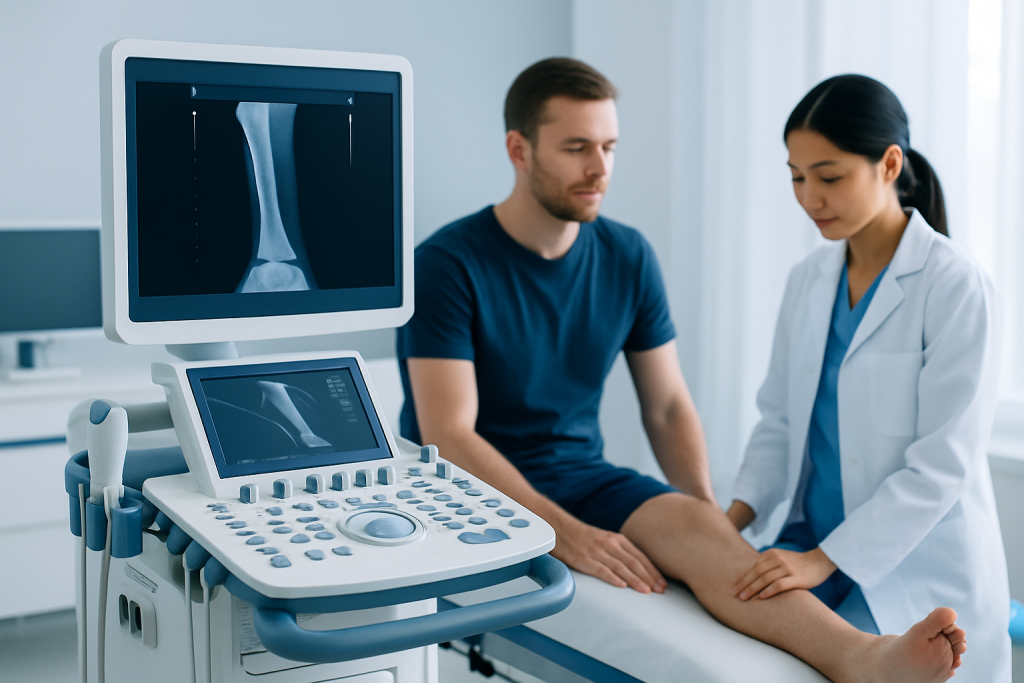
Symptoms vary widely depending on whether the issue is sudden injury, overuse, or another underlying condition. A fibula fracture often causes localized pain on the outer lower leg or near the ankle, especially when weight is placed on the limb. Swelling, bruising, and tenderness to touch are common, and some people notice a change in how they walk to protect the area.
Stress injuries usually begin more quietly. Instead of one dramatic moment, the discomfort may build gradually with exercise and improve somewhat with rest, only to return when activity resumes. People who increase running distance, change training surfaces, or return to sport too quickly may notice a persistent ache along the outer calf or near the ankle.
More serious signs can appear if the injury affects nearby structures:
- Difficulty bearing weight
- Ankle instability or a feeling that the ankle “gives way”
- Numbness, tingling, or weakness in the foot
- Visible deformity after trauma
- Pain that is severe or worsening rather than improving
Not every pain in the lower leg comes from the fibula itself. Muscle strain, tendon injury, ankle sprain, shin splints, or knee-related issues can feel similar, which is why a clinical evaluation is important when symptoms do not settle as expected.
Causes & Risk Factors
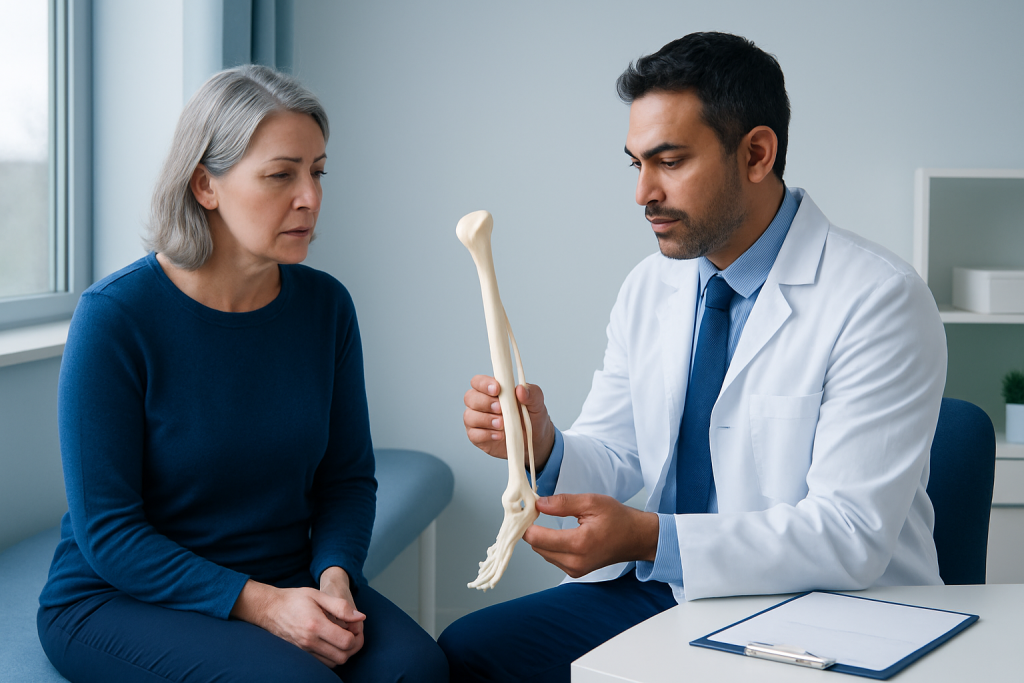
The most common cause of fibula injury is trauma. A fall, sports collision, twisting injury, or direct blow to the leg can fracture the bone. In ankle injuries, the fibula may be affected along with the ligaments, and in some cases the injury is part of a more complex pattern that also involves the tibia or ankle joint.
Overuse is another important cause. Stress fractures can develop when repetitive loading exceeds the bone’s ability to adapt, especially in runners, dancers, military personnel, and others who perform frequent impact activity. Risk may rise when training intensity changes quickly or when footwear, nutrition, or bone health is not optimal.
Several factors can increase the chance of fibula problems:
- Participation in contact sports or high-impact training
- Previous ankle or leg injuries
- Poor bone density or conditions that weaken bone
- Sudden increase in activity level
- Muscle imbalance or poor alignment of the foot and ankle
- Smoking or nutritional issues that may affect healing
Less commonly, pain in the fibula may be linked to infection, inflammatory conditions, or a growth within the bone. These situations require tailored specialist assessment rather than a one-size-fits-all approach.
Diagnosis
Diagnosis starts with a careful history and physical examination. The clinician will usually ask how the pain began, whether it followed an injury or repetitive activity, and whether walking or twisting makes symptoms worse. Checking the ankle, knee, pulses, and nerve function helps determine whether the injury is isolated or part of a broader problem.
X-rays are often the first imaging test when a fracture is suspected. They can show breaks, alignment changes, and some signs of stress injury, although early stress fractures may not appear immediately. If symptoms are persistent or the injury is more complex, MRI can reveal bone stress, soft-tissue injury, and hidden fractures, while CT may be helpful for detailed bone mapping in selected cases.
In some cases, additional tests are needed. Blood tests may be ordered if infection or inflammation is suspected, and vascular or nerve studies may be considered when symptoms suggest circulation or nerve involvement. For international patients, bringing any prior imaging, medication lists, and a clear timeline of the injury can help the specialist avoid repeating tests unnecessarily and move more efficiently toward treatment.
Treatment Options
Treatment depends on whether the fibula problem is a stable fracture, an unstable fracture, a stress injury, or another diagnosis. Many isolated fibula fractures, especially when the ankle remains stable, can be treated without surgery. Immobilization with a boot or cast, activity modification, elevation, and pain control are often part of the plan while the bone heals.
Surgery is considered when the fracture is displaced, unstable, involves the ankle joint, or occurs with additional injuries that need alignment and support. Surgical treatment may use plates, screws, or other fixation methods to restore position and stability. The decision is individualized and based on the whole lower-limb picture rather than the fibula alone.
Rehabilitation is a key part of recovery. Physical therapy may help restore joint motion, rebuild strength, improve balance, and guide a safe return to work or sport. A gradual progression matters, especially after travel-based care, because a person may need follow-up after returning home or while still abroad. The treating team usually gives clear instructions about weight bearing, wound care if surgery was performed, and signs that should prompt reassessment.
Prevention & Self-care
Not every fibula injury can be prevented, but sensible habits can lower risk and support healing. Athletes and active adults may benefit from gradual training progressions, cross-training, and attention to footwear and surfaces. People with known bone health concerns should discuss strategies to strengthen bone and reduce fracture risk with their healthcare team.
During recovery, self-care is usually straightforward but important. Resting the injured area, using support devices as recommended, and keeping follow-up appointments help healing stay on track. Elevation and cold applications may ease early swelling when approved by the clinician, while gentle motion may be introduced later if and when it is safe.
- Follow weight-bearing instructions carefully
- Do not return to sport or heavy work too early
- Maintain balanced nutrition and hydration
- Report new numbness, color change, or increasing pain promptly
- Keep all scheduled checkups, especially after surgery or complex fractures
For patients traveling for treatment, planning the recovery environment matters. Comfortable footwear, mobility aids if prescribed, and a realistic schedule for follow-up imaging or rehabilitation can make the transition home smoother and safer.
When to See a Doctor
A medical evaluation is advisable after any significant leg injury, especially if the person cannot bear weight, the pain is focused over the bone, or swelling appears quickly. It is also important to seek assessment if symptoms linger beyond a few days, worsen with activity, or interfere with normal walking.
Prompt care is particularly important when there is a visible deformity, severe bruising, numbness, a cold foot, or a wound near the injury site. These signs do not always indicate a serious complication, but they deserve timely attention so that circulation, nerves, and bone alignment can be checked properly.
People with repeated stress pain, osteoporosis, diabetes, or prior leg surgery should not assume that a small ache will resolve on its own. A qualified orthopedic specialist can distinguish a simple strain from a fibula injury that needs imaging or more structured treatment. At Acibadem Health Point, multidisciplinary specialists and JCI-accredited hospitals diagnose and treat fibula conditions for international patients with coordinated, patient-centered care.
Frequently asked questions
01Is the fibula a weight-bearing bone?
The fibula carries far less weight than the tibia, but it is still important for stability and muscle attachment. Injury to the fibula can affect ankle mechanics and walking even if the bone is not the main load-bearing structure.
02Can a person walk with a fibula fracture?
Some people can still walk with certain fibula fractures, especially if the ankle is stable. However, walking on it too much may worsen pain or delay healing, so medical evaluation is important before assuming it is minor.
03How long does fibula recovery take?
Recovery time depends on the type of injury, whether surgery is needed, and the person’s overall health. Simple injuries may improve in weeks, while more complex fractures or stress injuries can take longer and often require rehabilitation.
04Does every fibula fracture need surgery?
No. Many fibula fractures can heal without surgery if the bone remains well aligned and the ankle is stable. Surgery is usually reserved for displaced, unstable, or more complex injuries.
05What imaging is best for a fibula injury?
X-rays are usually the first test for suspected fractures. If the diagnosis is unclear or a stress injury is suspected, MRI or CT may give more detail.
06When can someone return to exercise after a fibula injury?
Return to exercise should be gradual and guided by the treating clinician or physiotherapist. Pain-free movement, restored strength, and stable healing are usually needed before higher-impact activity is resumed.
This article is for general information only and is not a substitute for professional medical advice. Please consult a qualified doctor about your individual situation.
Joint and spine care in Turkey — expert assessment & treatment
JCI-accredited · board-certified surgeons · reply within 24h
Add us as a Preferred Source to see more of our trusted health content across Google Search, AI Overviews and Discover.