Egg Freezing Abroad: Who Is a Realistic Candidate and Why?

Key Takeaways
- Egg freezing, or oocyte cryopreservation, is a fertility-preservation option, not a guarantee of future pregnancy.
- The best candidates are often women who need to delay pregnancy for medical, personal, or practical reasons and still have adequate ovarian reserve.
- Age, ovarian response, medical history, and planned treatment goals all influence whether freezing eggs is worthwhile.
- A fertility specialist can help determine whether egg freezing, embryo freezing, or another approach is more suitable.
- Travel for treatment adds planning needs, including timing, medication monitoring, and follow-up once home.
Egg freezing abroad can be a practical option for women who want to preserve fertility while accessing specialized care. A realistic candidate is someone who understands the limits, timing, and medical steps involved and has a clear reason for pursuing treatment now.
Overview
Egg freezing abroad appeals to many women who want more control over their reproductive future while seeking care in a different country. The procedure, medically known as oocyte cryopreservation, allows eggs to be collected, frozen, and stored for later use. It is often considered when pregnancy is not possible, not desired yet, or may become more difficult in the future.
For international patients, the decision is usually about more than the procedure itself. It also involves travel timing, access to experienced fertility teams, language support, laboratory quality, and a clear plan for monitoring and follow-up. When those pieces fit together, egg freezing can be a thoughtful option for the right patient at the right time.
It is important to approach the process with realistic expectations. Egg freezing can preserve eggs, but it does not promise a future pregnancy. Success depends on several factors, including age at freezing, the number of eggs collected, overall reproductive health, and how the eggs are later used.
Symptoms and Signs That Someone May Be Considering It
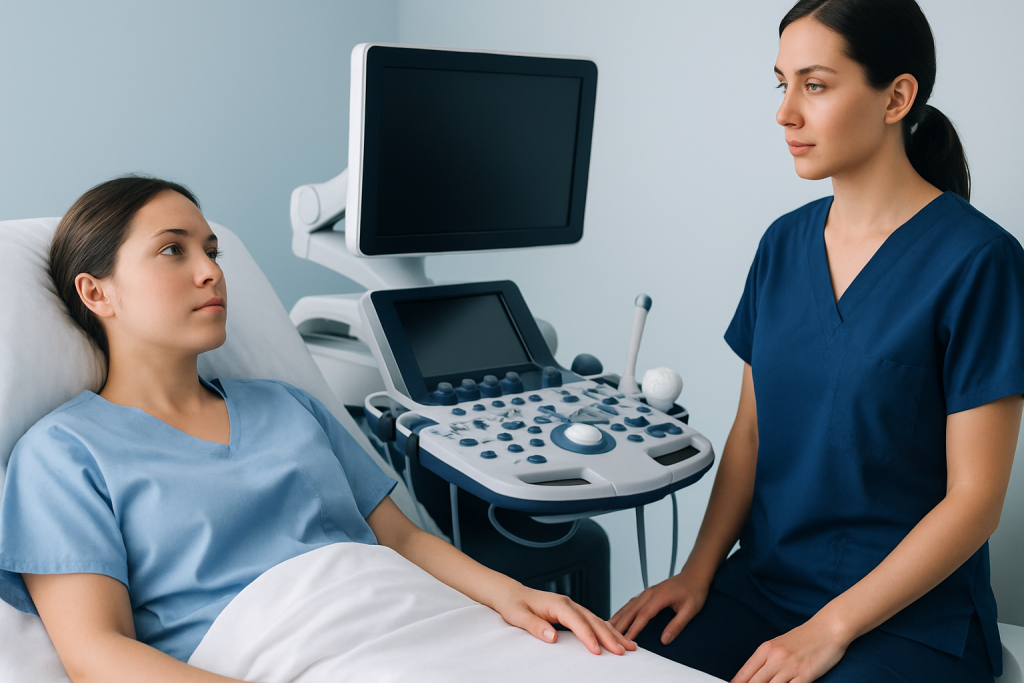
Egg freezing is not done because of symptoms in the usual sense. Instead, it is often prompted by life circumstances, medical planning, or a fertility evaluation that suggests time may matter. Some women start the conversation because they are not ready for pregnancy but do not want to close the door on it later.
Common situations include planning to focus on career or education, not having the right partner yet, or preparing for a medical treatment that could affect fertility. Others consider it after being told that their ovarian reserve is lower than expected, or after learning that age-related fertility decline may make future conception harder.
A fertility consultation may also be prompted by practical questions such as:
- “How much time do I have before fertility may decline?”
- “Is egg freezing better than waiting?”
- “Would embryo freezing be more suitable for my situation?”
- “Can I fit treatment into a short medical trip abroad?”
Causes & Risk Factors

There is no single “cause” for egg freezing, because it is a planned medical choice rather than a disease treatment. The main factors that make egg freezing more relevant are often related to age, ovarian reserve, and future fertility goals. Since egg quality and egg number generally decline with age, timing matters.
Women may be more likely to consider egg freezing if they have a family history of early menopause, are planning cancer treatment, have endometriosis, or may need surgery or medication that could affect ovarian function. Some women with autoimmune conditions or genetic concerns may also discuss fertility preservation before treatment begins.
Being a realistic candidate depends on more than the reason for freezing. A specialist will also consider whether the ovaries are likely to respond to stimulation, whether the patient can safely take fertility medications, and whether travel will allow enough time for monitoring and egg retrieval. In some cases, the process may be medically possible but not the most efficient use of time or resources.
Diagnosis and Fertility Assessment
Before egg freezing, a fertility specialist usually performs a structured evaluation to understand ovarian function and overall reproductive health. This assessment helps determine whether egg freezing is a sensible choice and how likely the ovaries are to respond to stimulation. It also helps identify any issues that should be addressed before treatment starts.
Common parts of the workup include medical history, pelvic ultrasound, hormone testing, and an ovarian reserve assessment. Blood tests may examine markers such as anti-Müllerian hormone (AMH) and other reproductive hormones, while ultrasound can help count small resting follicles in the ovaries. The doctor may also review menstrual regularity, prior surgeries, previous pregnancies, and any current medications.
For patients traveling abroad, this stage is especially important because scheduling must often be coordinated across countries and time zones. Some of the testing may be completed before travel, while other parts are done at the fertility center. A clear plan reduces unnecessary delays and helps the patient know whether the trip is likely to lead to treatment or simply an evaluation.
Who Is a Realistic Candidate?
A realistic candidate for egg freezing is usually someone who understands what the procedure can and cannot do, and whose fertility profile makes egg preservation worthwhile. Many women under 35 are considered strong candidates because younger eggs generally have better quality and a higher chance of resulting in a future pregnancy. That said, age alone does not decide everything.
Women may be good candidates if they want to delay pregnancy for personal reasons, are facing treatment that may affect fertility, or have a medical history suggesting that waiting could reduce future options. They are also more likely to benefit if they have a reasonable ovarian reserve, can safely undergo ovarian stimulation, and can arrange the required visits for monitoring and retrieval.
Egg freezing may be less suitable when ovarian reserve is extremely low, when time is too limited to complete stimulation, or when the patient’s health makes the procedure unsafe. It may also be less helpful if the main goal is to improve the chance of pregnancy right away rather than preserve fertility for later. In some cases, embryo freezing or another fertility strategy may offer a better fit.
A useful way to think about candidacy is to ask three questions: Is there enough time to complete treatment? Are the ovaries likely to respond? And is the patient prepared for the possibility that stored eggs may not lead to a future baby? Those questions usually guide a practical, individualized recommendation.
Treatment Options
Egg freezing is usually done through the same basic steps used in in-vitro fertilization, but with the goal of storing eggs rather than creating embryos. The process begins with hormone medication to encourage the ovaries to mature multiple eggs in one cycle. During this period, the patient comes in for monitoring so the team can adjust the plan if needed.
When the eggs are ready, a minor procedure called egg retrieval is performed, typically under sedation or anesthesia. The eggs are then examined in the laboratory and frozen using modern cryopreservation methods. They remain stored until the patient chooses to use them in the future, usually after fertilization with sperm and embryo transfer.
Some patients may be advised to consider alternatives. Embryo freezing can be an option for women with a partner or donor sperm and may offer more information about fertilization outcome. In some situations, fertility specialists may suggest preserving ovarian tissue or proceeding directly to other reproductive planning if egg freezing is unlikely to be useful.
For international patients, the treatment plan must be paced carefully. Travel may need to cover several days to two weeks, depending on how much monitoring is done locally versus abroad. A well-organized center will help coordinate tests, medication timing, retrieval, lab processing, and safe return travel.
Prevention & Self-care
Egg freezing does not prevent infertility, but thoughtful planning can help protect future options. The most practical self-care starts with a realistic fertility discussion earlier rather than later, especially for women who know they may want children in the future but not soon. Early consultation gives more choices and less pressure.
During treatment, general health habits matter. Patients are usually encouraged to follow medication instructions closely, keep appointments, stay hydrated, and report side effects promptly. Gentle rest is often sensible after retrieval, while strenuous exercise or travel immediately after the procedure should be discussed with the care team.
For those freezing eggs abroad, preparation is part of self-care too. It helps to organize medical records, know who will translate or coordinate care if needed, confirm where medications will come from, and understand what follow-up will be done at home. Clear logistics can make the experience calmer and safer.
It is also wise to ask about storage policies, consent documents, and how long eggs can remain frozen. Patients should leave with written instructions and a contact pathway for questions after they return home.
When to See a Doctor
A fertility specialist should be consulted if pregnancy is likely to be delayed for several years, if a medical treatment may threaten fertility, or if there is concern about diminished ovarian reserve. The earlier the discussion happens, the more options are usually available. This is especially true for women considering treatment abroad, where timing must be planned carefully.
Medical advice is also important before starting egg freezing if there is a history of ovarian cysts, endometriosis, recurrent pelvic surgery, irregular periods, or hormone-sensitive conditions. A doctor can help determine whether stimulation is appropriate and whether any additional testing is needed first.
After treatment, patients should contact their doctor if they have significant pain, heavy bleeding, fever, shortness of breath, or abdominal swelling. These symptoms are not expected to be ignored, even if they are uncommon. A prompt check-in allows the care team to rule out complications and offer reassurance when everything is normal.
Acibadem Health Point’s multidisciplinary specialists and JCI-accredited hospitals diagnose and treat fertility preservation needs for international patients, with coordinated care that can help make the journey more manageable.
Frequently asked questions
01Is egg freezing abroad a good option for everyone who wants children later?
No, it is not ideal for everyone. The decision depends on age, ovarian reserve, medical history, timing, and personal goals. A fertility specialist can help determine whether freezing eggs is likely to be useful in a specific case.
02What makes someone a realistic candidate for egg freezing?
A realistic candidate usually has enough time to complete treatment, can safely take fertility medications, and has a reason to preserve fertility now. Many women who are younger and have a reasonable ovarian reserve are more likely to benefit, but the full picture matters more than one number alone.
03Does egg freezing guarantee a future pregnancy?
No, it does not guarantee pregnancy. Frozen eggs can preserve reproductive potential, but the future outcome depends on egg number, egg quality, the age at freezing, sperm factors, and the success of later fertilization and embryo transfer.
04How long does the process take when traveling for treatment?
The timeline varies, but it usually requires several days to a couple of weeks for monitoring, retrieval, and lab processing. Some tests may be done before travel, which can shorten the stay abroad. A fertility center should help coordinate the schedule in advance.
05Is egg freezing better than embryo freezing?
Neither is always better. Egg freezing is useful for women who do not want to use sperm now, while embryo freezing may be preferred in some partnered or donor-sperm situations because fertilization has already occurred. The best option depends on the patient’s medical and personal circumstances.
06What should someone ask before booking egg freezing abroad?
It helps to ask about the clinic’s fertility evaluation process, laboratory methods, storage arrangements, communication after you return home, and what happens if the cycle needs to be adjusted. A clear plan before travel can make the experience safer and less stressful.
This article is for general information only and is not a substitute for professional medical advice. Please consult a qualified doctor about your individual situation.
IVF & fertility treatment in Turkey — success rates and costs
JCI-accredited · board-certified surgeons · reply within 24h
Add us as a Preferred Source to see more of our trusted health content across Google Search, AI Overviews and Discover.