Do You Need a Colonoscopy Sooner? Screening Age, Family History, and Warning Signs

Key Takeaways
- Average-risk adults are often advised to begin colorectal screening at the recommended age, but some people need earlier assessment.
- A first-degree family history of colorectal cancer or advanced polyps can move screening earlier.
- Rectal bleeding, unexplained anemia, persistent bowel habit changes, or ongoing abdominal symptoms should be evaluated.
- A colonoscopy may be recommended not just to screen, but to investigate symptoms or remove polyps before they cause harm.
- The right timing depends on age, symptoms, family history, and prior test results, so individual medical advice matters.
A colonoscopy is not only about routine screening at a certain age; some people need it earlier because of family history, symptoms, or other risk factors. Understanding the signs that change the timeline can help a person plan care with confidence and avoid delays.
Overview
Colonoscopy is a test that lets a clinician look directly at the lining of the large intestine and rectum. It is used both for screening in people without symptoms and for diagnosis when something has changed, such as bleeding, anemia, or a persistent change in bowel habits.
For many adults, colonoscopy becomes part of preventive care at a recommended screening age. But the schedule is not the same for everyone. A person with a close relative who had colorectal cancer, certain inherited conditions, inflammatory bowel disease, or warning signs may need evaluation earlier than expected.
That is why the question is not only “Am I old enough for screening?” but also “Do my symptoms or family history change the plan?” A well-timed colonoscopy can find polyps before they become dangerous and can also clarify why digestive symptoms are happening.
Symptoms That Can Change the Timing
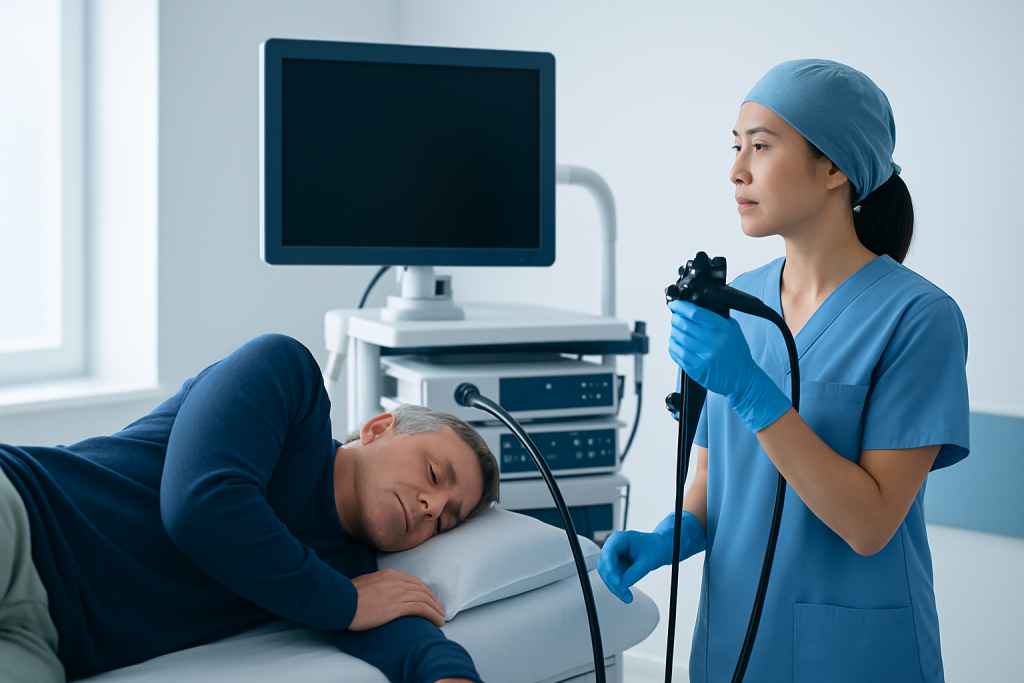
Some symptoms should prompt a discussion about colonoscopy sooner rather than later. A single minor digestive upset does not automatically mean a serious problem, but ongoing or unexplained symptoms deserve attention, especially when they do not improve or recur.
Warning signs can include blood in the stool or on the toilet paper, black or tarry stools, unexplained iron-deficiency anemia, persistent abdominal pain, unexplained weight loss, or a lasting change in bowel habits such as new constipation, diarrhea, narrower stools, or feeling that the bowel does not empty fully.
It is also important to pay attention to patterns. A symptom that lasts for weeks, returns repeatedly, or appears alongside fatigue or weakness should be assessed by a doctor. Colonoscopy is sometimes recommended because the source of the symptom cannot be identified safely in any other way.
- Rectal bleeding or blood mixed with stool
- Unexplained anemia or low iron
- New and persistent change in bowel habits
- Ongoing abdominal pain or bloating
- Unexplained weight loss
Family History and Other Risk Factors
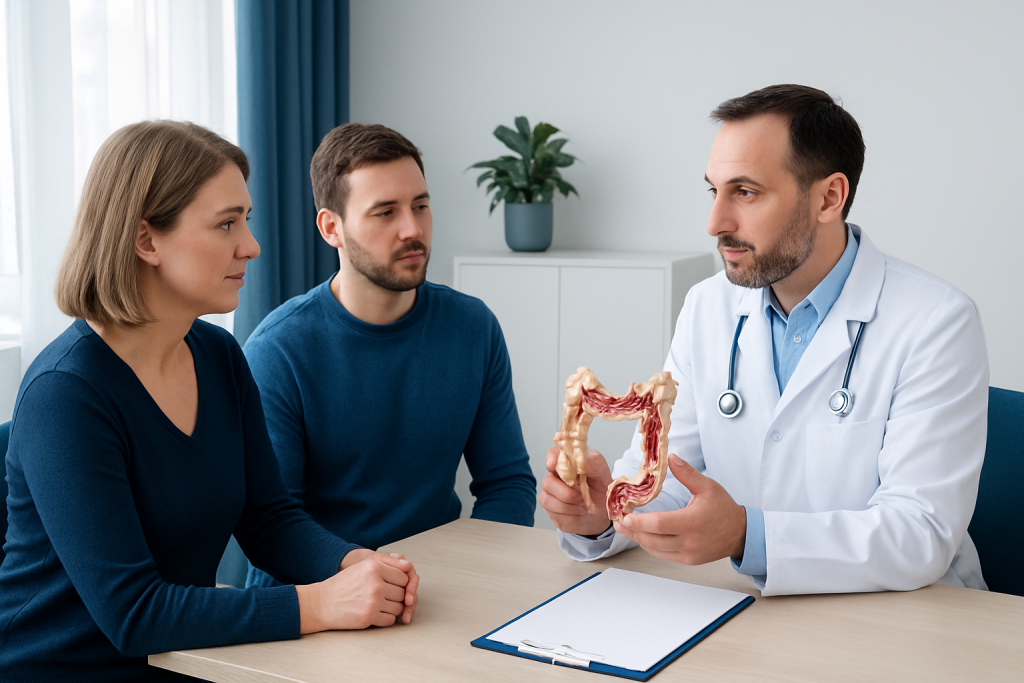
Family history is one of the clearest reasons a person may need colonoscopy earlier than the standard screening age. A first-degree relative, meaning a parent, sibling, or child, with colorectal cancer or advanced polyps can increase risk, especially if the diagnosis occurred at a younger age.
Inherited syndromes such as Lynch syndrome or familial adenomatous polyposis raise risk even more and usually require a separate, personalized surveillance plan. People with ulcerative colitis or Crohn’s disease involving the colon may also need earlier and more frequent evaluation because long-term inflammation can increase the chance of precancerous changes.
Other factors can add to the overall picture, including a personal history of polyps, previous abnormal screening results, obesity, smoking, heavy alcohol intake, and certain lifestyle patterns. Risk is not determined by one factor alone; clinicians usually consider the whole profile before advising the next step.
How Screening Age Is Decided
Screening age is best understood as a starting point for average-risk adults, not a universal rule. Public health recommendations vary by country and organization, but they generally suggest beginning colorectal cancer screening in midlife for people without symptoms and without major risk factors.
If a person has family history or prior findings, the plan may begin years earlier. In some situations, the first colonoscopy is timed relative to the relative’s age at diagnosis or the earliest polyp finding in the family, because that timing can better match the person’s level of risk.
Screening may also happen earlier if another test, such as stool-based screening, returns abnormal. In that case, colonoscopy is not being done “just because of age”; it is being used to follow up on an actual finding. That distinction matters because the urgency and preparation can differ.
What Happens During Diagnosis
Before a colonoscopy, the doctor reviews symptoms, medications, medical history, and family history. This conversation helps decide whether the test is being done for screening, investigation, or surveillance after a previous polyp or abnormal result. For international patients, this step also helps coordinate timing, travel, and any necessary pre-procedure instructions.
The procedure itself uses a flexible camera to examine the colon. If polyps are seen, they are often removed during the same session. If tissue looks unusual, a biopsy may be taken for laboratory analysis. This ability to diagnose and treat at the same time is one reason colonoscopy is so valuable.
Preparation is an important part of the process, because the colon must be clean for the view to be reliable. A doctor or endoscopy team gives detailed instructions about diet, bowel preparation, and medication adjustments. Good preparation improves the chance of a complete and accurate exam.
Treatment Options and Follow-Up
Colonoscopy itself is usually a diagnostic or preventive procedure, but it can lead to several different next steps. If the lining appears normal, the person may simply return to routine screening or surveillance based on age and risk. If small polyps are removed, follow-up depends on the number, size, and type of polyp found on pathology.
If a concerning growth is detected, the next step may include further imaging, specialist review, or a treatment plan involving gastroenterology, surgery, and oncology depending on the result. A colonoscopy does not make every decision at once, but it often starts the path toward a clearer diagnosis and a more precise plan.
Follow-up should be individualized. Someone with a strong family history may need a shorter interval between exams than someone at average risk. Likewise, people who live abroad or travel for care should leave with a written follow-up plan so the next screening date, pathology review, and any red-flag symptoms are easy to track after returning home.
Prevention and Self-Care
There is no single habit that guarantees colon health, but several everyday choices can support overall digestive and colorectal well-being. A diet rich in fiber, regular physical activity, maintaining a healthy weight, limiting alcohol, and avoiding tobacco all support general health and may help reduce risk.
Self-care also includes paying attention to the body rather than dismissing persistent change as “just digestion.” Many people delay evaluation because they hope symptoms will settle on their own. It is usually better to speak with a clinician if a symptom is new, unexplained, or continuing beyond a short period.
For anyone planning colonoscopy from another country, practical preparation matters too. Bringing prior reports, pathology results, medication lists, and family history details can help the team make the most accurate recommendation. Clear records reduce duplication and make the visit more efficient.
- Keep prior colonoscopy and pathology reports accessible
- Know the age and diagnosis of affected relatives if possible
- Report iron deficiency, bleeding, or bowel changes promptly
- Follow bowel prep instructions carefully if a procedure is scheduled
When to See a Doctor
A doctor should be consulted sooner if there is rectal bleeding, unexplained anemia, persistent abdominal pain, a lasting change in bowel habits, or a strong family history of colorectal cancer or advanced polyps. These situations do not always mean something serious is present, but they do justify timely evaluation.
It is also wise to ask about colonoscopy if a relative was diagnosed with colorectal cancer at a younger age, if a hereditary syndrome is known in the family, or if previous screening tests were abnormal. A clinician can sort out whether screening, diagnostic testing, or closer surveillance is most appropriate.
Acibadem Health Point’s multidisciplinary specialists and JCI-accredited hospitals diagnose and treat this condition for international patients, with care plans designed around medical need and practical follow-up. That can be especially helpful when a person is deciding whether to travel for assessment or needs guidance on what happens after returning home.
Any new or persistent digestive symptom deserves a conversation with a qualified doctor. Early review often brings reassurance, and when treatment is needed, it allows the next step to be taken at the right time.
Frequently asked questions
01At what age should a person start colonoscopy screening?
For average-risk adults, screening typically begins at the age recommended by public health guidelines in that country or by the treating doctor. The exact age can vary, and a person with family history or symptoms may need evaluation earlier.
02Does having a parent with colon cancer mean colonoscopy is needed earlier?
Often, yes. A first-degree relative with colorectal cancer or advanced polyps can raise risk and may shift screening to an earlier age or a shorter interval, depending on the family history details.
03What warning signs should not be ignored before screening age?
Rectal bleeding, black stools, unexplained anemia, ongoing abdominal pain, unexplained weight loss, and a lasting change in bowel habits are important to discuss with a doctor. These symptoms can have many causes, but they deserve timely assessment.
04Can a colonoscopy remove polyps during the same procedure?
Yes, many polyps can be removed during the same colonoscopy if they are found and are suitable for removal. This is one reason the test is both diagnostic and preventive.
05Is a normal colonoscopy the end of the story?
A normal result is reassuring, but the next screening date still depends on age, family history, and why the test was done. Some people return to routine screening, while others need closer follow-up.
06What should an international patient bring to a colonoscopy consultation?
Previous colonoscopy reports, pathology results, medication lists, and a clear family history are very helpful. These details help the doctor decide whether screening should happen sooner and how to plan follow-up after travel.
This article is for general information only and is not a substitute for professional medical advice. Please consult a qualified doctor about your individual situation.
Get these values checked properly — full body check-up in Turkey
JCI-accredited · board-certified surgeons · reply within 24h
Add us as a Preferred Source to see more of our trusted health content across Google Search, AI Overviews and Discover.