Dark Circles Under the Eyes: Causes and Treatment

Key Takeaways
- Dark circles under the eyes are usually a cosmetic concern, but they can sometimes reflect allergies, sleep issues, or skin changes.
- The appearance may come from pigment, visible blood vessels, shadows, or a combination of factors.
- Treatments range from simple skincare and lifestyle adjustments to medical procedures chosen by a dermatologist.
- Sun protection, allergy control, gentle skin care, and adequate rest can help prevent worsening.
- Persistent or sudden dark circles, especially with swelling or other symptoms, deserve medical evaluation.
Dark circles under the eyes are common and can have several causes, from genetics and allergies to thinning skin or lifestyle factors. A doctor can help identify what is contributing to the appearance and suggest the most suitable treatment or self-care approach.
Overview
Dark circles under the eyes can make a person look tired, stressed, or older than they feel. In many cases, the change is harmless and cosmetic, but it often has more than one explanation. Some people notice brownish discoloration, while others see a bluish tint, a hollow shadow, or puffiness that deepens the contrast beneath the eyes.
The under-eye area is especially delicate. Skin there is thin, blood vessels are more visible, and small changes in hydration, sleep, or facial anatomy can become noticeable. For international patients considering care abroad, this is often one of those concerns that seems simple at first glance but benefits from a careful review of skin type, medical history, and expectations before treatment is chosen.
Because the look of dark circles can come from several different mechanisms, the best approach is not always the most aggressive one. A dermatologist may focus first on identifying whether the issue is pigment, volume loss, vascular visibility, or irritation, since each pattern responds differently.
Symptoms
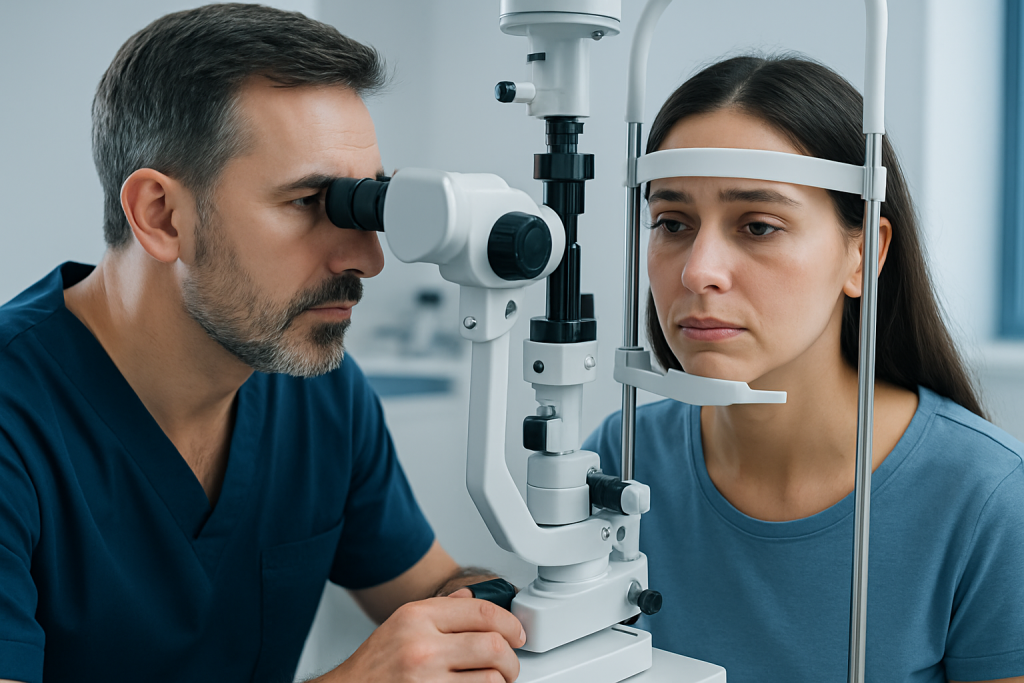
Dark circles are usually recognized by a darker band or shadow beneath the lower eyelids. The color may appear brown, gray, blue, purple, or even slightly reddish, depending on the underlying cause and skin tone. Some people also have puffiness, fine lines, or a tired appearance around the eyes.
The area may look more prominent in the morning, after poor sleep, during allergy flare-ups, or after crying. In some people, the circles are more visible in certain lighting or when the face is viewed at an angle, which is a clue that shadowing from facial structure is part of the picture.
Symptoms that may point to a related issue include:
- Itching, rubbing, or watery eyes
- Swelling of the eyelids
- Dry or irritated skin around the eyes
- Nasal congestion or seasonal allergy symptoms
- A new change in skin color or one-sided discoloration
When the appearance changes quickly, is limited to one side, or is accompanied by pain, vision changes, or significant swelling, a medical evaluation is a sensible next step.
Causes & Risk Factors

There is no single cause of dark circles under the eyes. In many people, the appearance results from several factors working together. Genetics play a major role; some individuals naturally have more pigmentation, thinner skin, or a deeper tear trough area that creates shadowing.
Common contributors include lack of sleep, fatigue, dehydration, sun exposure, smoking, and frequent eye rubbing. Allergies and eczema can worsen the problem by causing inflammation, swelling, or post-inflammatory pigmentation. As skin ages, it becomes thinner and loses some of its supportive structure, making underlying vessels and hollows easier to see.
Other factors can also matter, especially when a patient is preparing for treatment and wants the cause carefully mapped out before traveling for care:
- Family history of under-eye darkness
- Allergic rhinitis or chronic sinus congestion
- Atopic dermatitis or sensitive skin
- Hyperpigmentation in darker skin tones
- Volume loss in the midface or tear trough region
- Poor sun protection over time
Occasionally, dark circles may be associated with a medical condition such as anemia, thyroid disease, or eczema, although they are not usually the only symptom. A clinician can decide whether any testing is needed based on the full picture.
Diagnosis
Diagnosis usually starts with a conversation and a careful look at the skin around the eyes. A dermatologist or other qualified doctor will ask when the dark circles began, whether they fluctuate, and whether there are triggers such as allergies, sleep disruption, or new skincare products. The doctor may also ask about rubbing, sun exposure, and family history.
During the examination, the clinician looks for clues that help separate pigment from shadowing or visible blood vessels. The texture of the skin, the presence of puffiness, and the shape of the lower eyelid and cheek area are all relevant. In some cases, photographs or follow-up visits help track changes over time.
If the doctor suspects an underlying issue, targeted tests may be recommended. These are not needed for everyone, but they can be useful when symptoms suggest anemia, thyroid imbalance, or another systemic condition. For patients traveling from another country, this part of the evaluation is especially valuable because it helps make the most of a short visit and supports a treatment plan that can be continued safely at home.
Treatment Options
Treatment depends on what is causing the dark circles. When allergies or irritation are involved, controlling the trigger can make a meaningful difference. If the issue is mainly pigmentation, doctors may suggest topical skin-care ingredients or procedures aimed at reducing excess pigment. When hollowness or volume loss is the main factor, treatment may focus on restoring support rather than lightening the skin.
Common medical and cosmetic approaches include carefully selected topical products, chemical peels for suitable skin types, laser-based treatments, dermal fillers for tear trough hollows, and in some cases platelet-rich plasma or other specialist procedures. Not every option is appropriate for every skin tone or under-eye pattern, which is why assessment by an experienced clinician matters. The under-eye area can react easily, so treatment should be conservative and customized.
Patients who are considering care abroad often appreciate a plan that explains not only the procedure itself but also what recovery will look like once they return home. That may include temporary swelling, sun avoidance, follow-up timing, and how to watch for expected versus unexpected changes. Acibadem Health Point’s multidisciplinary specialists and JCI-accredited hospitals diagnose and treat this condition for international patients, with attention to individualized planning and continuity of care.
Prevention & Self-care
Self-care cannot remove every dark circle, but it can reduce how noticeable they become and help prevent worsening. A regular sleep schedule, sufficient hydration, and not rubbing the eyes are simple measures that can help. Daily sunscreen use is especially important, since ultraviolet exposure can deepen pigment and accelerate skin aging.
Gentle skincare is usually the safest approach around the eyes. Fragrance-free moisturizers and mild cleansers are less likely to irritate delicate skin. If allergies are part of the picture, reducing exposure to triggers and following a doctor’s advice for allergy control can help decrease swelling and repeated inflammation.
Helpful habits may include:
- Using broad-spectrum sunscreen and sunglasses outdoors
- Getting enough rest on a regular schedule
- Managing nasal or seasonal allergies promptly
- Avoiding harsh scrubs, strong acids, or unverified home remedies near the eyes
- Limiting smoking and keeping hydration steady
For people with structural hollows or a strong family tendency, prevention may only soften the appearance rather than eliminate it. Even then, a consistent routine can support treatment results and help the under-eye area look calmer over time.
When to See a Doctor
It is reasonable to seek medical advice when dark circles are persistent, bothersome, or changing in a way that does not seem typical. A doctor can help identify whether the cause is skin-related, allergy-related, or linked to another health issue. This is particularly useful if over-the-counter creams are not helping or if a person is unsure which treatment path is appropriate.
Medical attention is also recommended if the dark circles come with swelling, pain, redness, itching that does not settle, vision changes, or a sudden change in only one eye. These features do not automatically indicate something serious, but they do deserve a closer look. The same is true if fatigue, pallor, weight changes, or other general symptoms suggest a broader health concern.
For patients traveling internationally for assessment or treatment, a consultation before the trip can help set realistic expectations and reduce unnecessary procedures. A thoughtful plan should address diagnosis, recovery, and follow-up, so the patient can return home with clear next steps and appropriate support.
Frequently asked questions
01Are dark circles under the eyes always a sign of poor sleep?
No. Sleep loss can make them more noticeable, but genetics, allergies, pigmentation, aging, and facial structure are also common reasons. Many people have dark circles even when they sleep well.
02Can eye creams get rid of dark circles?
Some creams can help if the issue is dryness, mild pigmentation, or irritation. However, creams cannot correct every cause, especially hollowness or very thin skin, so results vary.
03Why do dark circles look worse in the morning?
Fluid shifts during sleep can increase puffiness, which adds shadow under the eyes. Congestion, allergies, and dehydration can also make the area appear darker on waking.
04What type of doctor should evaluate dark circles?
A dermatologist is often the best starting point, especially when skin changes, pigmentation, or cosmetic treatment is being considered. If allergies or another medical issue seems likely, the doctor may refer the patient to the appropriate specialist.
05Can lifestyle changes really help?
Yes, they can help reduce how prominent dark circles look, especially when sleep, allergies, sun exposure, or eye rubbing are involved. They may not fully remove circles caused by genetics or under-eye hollows, but they often support other treatments.
06Is treatment different for darker skin tones?
Yes, it can be. Some procedures and products carry a higher risk of post-inflammatory pigmentation in deeper skin tones, so the treatment plan should be chosen carefully by an experienced clinician.
This article is for general information only and is not a substitute for professional medical advice. Please consult a qualified doctor about your individual situation.
Explore treatments in Turkey — costs, top hospitals & a free quote
JCI-accredited · board-certified surgeons · reply within 24h
Add us as a Preferred Source to see more of our trusted health content across Google Search, AI Overviews and Discover.