Colitis: Symptoms, Causes and Treatment

Key Takeaways
- Colitis describes inflammation of the colon, not one single disease.
- Symptoms often include abdominal pain, diarrhea, urgency, and sometimes blood in the stool.
- Possible causes range from infection and inflammatory bowel disease to reduced blood flow or medication effects.
- Diagnosis usually combines a medical history, physical exam, stool tests, blood tests, and sometimes colonoscopy.
- Treatment depends on the cause and may include hydration, medicines, dietary changes, or specialist follow-up.
Colon inflammation, often called colitis, is a broad term for irritation or swelling in the large intestine. Because it can stem from different causes, the right diagnosis matters for choosing the safest and most effective treatment.
Overview
Colitis is the medical term for inflammation of the colon, also known as the large intestine. It is a description of what is happening in the bowel, rather than a diagnosis that points to one single cause.
That distinction matters. Someone with sudden colitis after a stomach infection needs a different plan from someone with long-term inflammatory bowel disease, and both differ again from colitis caused by poor blood flow to the colon. A careful evaluation helps match symptoms with the underlying reason.
For patients deciding where to seek care, the practical question is usually not simply, “Is this colitis?” but “What type of colitis is this, and what is the safest way to treat it?” That answer often comes from combining symptom patterns, tests, and sometimes imaging or endoscopic examination.
Symptoms

Colitis can feel different depending on the cause, the part of the colon involved, and how severe the inflammation is. Still, several symptoms appear often enough that they help doctors recognize the problem early.
Common symptoms include cramping or lower abdominal pain, diarrhea, an urgent need to pass stool, bloating, and a feeling that the bowel has not fully emptied. Some people also notice mucus or blood in the stool, fever, fatigue, or reduced appetite.
When inflammation is more intense, the body may lose fluid and salt quickly. This can lead to weakness, dizziness, dry mouth, or reduced urination, especially if diarrhea is frequent. In chronic forms of colitis, symptoms may come and go in flares rather than remaining constant.
- Abdominal cramps or tenderness
- Loose or frequent stools
- Urgency to use the bathroom
- Blood or mucus in stool
- Fever or general malaise
- Weight loss or poor appetite in prolonged cases
Causes & Risk Factors
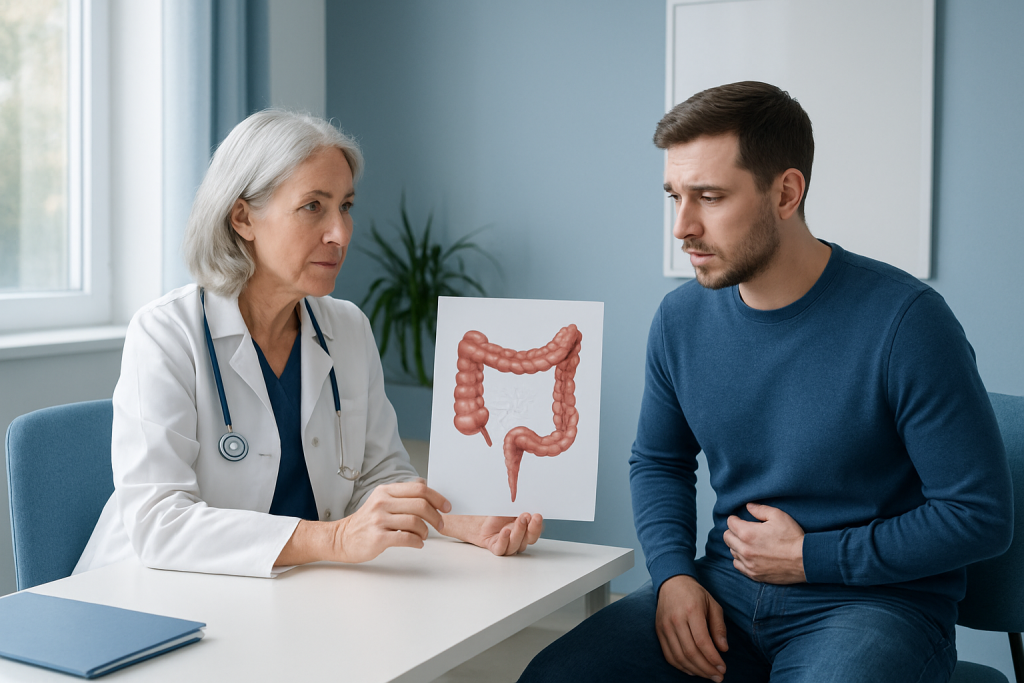
There are several main pathways that can lead to colon inflammation. Infection is one of the most common, and it may follow bacteria, viruses, parasites, or foodborne illness. In these cases, colitis is often temporary, though symptoms can still be significant.
Inflammatory bowel disease is another important cause. Ulcerative colitis directly affects the colon and rectum, while Crohn’s disease can involve any part of the digestive tract but may also inflame the colon. Other causes include reduced blood supply to the bowel, radiation exposure, certain medications, and less commonly immune-related or microscopic forms of colitis.
Risk is not the same for everyone. A person may be more likely to develop colitis if there is a history of inflammatory bowel disease, recent antibiotic use, travel-related infection exposure, cardiovascular disease, dehydration, older age, or prior abdominal radiation. Even so, symptoms alone cannot determine the cause, which is why evaluation is so important.
Diagnosis
Diagnosing colitis starts with a detailed conversation about the symptoms: when they began, whether there is blood in the stool, recent travel, new medicines, antibiotic use, or a personal or family history of bowel disease. These details help narrow the possibilities before testing begins.
Doctors commonly order blood tests to look for inflammation, anemia, dehydration, or infection, and stool tests to check for germs or blood. If symptoms suggest ongoing inflammation, a colonoscopy or flexible sigmoidoscopy may be recommended so the lining of the colon can be directly examined and tissue samples can be taken if needed.
In some situations, imaging studies such as CT scans help assess complications or rule out other causes of abdominal pain. The goal is to determine not only that the colon is inflamed, but also why it is inflamed, since treatment differs greatly across causes.
Treatment Options
Treatment is tailored to the cause and the patient’s overall condition. If an infection is responsible, care may focus on hydration, rest, and, in selected cases, targeted medication. When inflammatory bowel disease is the cause, doctors may use anti-inflammatory medicines or immune-modulating treatments to calm the immune response and reduce flares.
Some people need short-term support with fluid replacement, bowel rest, or pain control. Others benefit from longer-term management plans that include scheduled follow-up, symptom monitoring, and treatment adjustments. If colitis is caused by reduced blood flow, medication side effects, or radiation, the plan may be very different from the plan for ulcerative colitis.
Patients traveling for care should know that treatment is not only about starting medicine; it also includes making sure they can continue safely after returning home. A clear discharge plan, written instructions, and a follow-up strategy with a local doctor can make recovery more manageable and reduce the chance of confusion about next steps.
Prevention & Self-care
Not every case of colitis can be prevented, especially when the cause is chronic or related to the immune system. Still, a few habits can lower risk in some situations and support recovery when symptoms appear.
Safe food and water practices can help reduce infectious colitis, especially during travel. For people with known bowel conditions, taking medicines as prescribed and keeping follow-up appointments may help reduce flares. Hydration is especially important during episodes of diarrhea, since the body can lose fluids quickly.
Self-care should be gentle and realistic. Small, bland meals may be easier to tolerate during a flare, but dietary triggers vary from person to person. It is usually wiser to focus on maintaining fluids, avoiding known irritants, and recording symptoms than to experiment with restrictive diets without medical guidance.
- Wash hands regularly and follow food safety practices
- Drink enough fluids, especially with diarrhea
- Take prescribed medicines consistently
- Track symptoms, stools, and possible triggers
- Avoid nonessential over-the-counter medicines unless a clinician says they are safe
When to See a Doctor
Medical evaluation is important when diarrhea lasts more than a short time, when abdominal pain is persistent, or when stool changes include blood or black coloration. These symptoms do not always mean something serious, but they do deserve proper assessment rather than guesswork.
Urgent care is appropriate if there are signs of dehydration, severe weakness, high fever, fainting, significant abdominal swelling, or inability to keep fluids down. People with known inflammatory bowel disease should also contact a clinician if symptoms suddenly worsen or differ from their usual pattern.
For international patients, it can help to seek a center that can complete diagnosis and treatment efficiently, especially when travel time is limited. Acibadem Health Point’s multidisciplinary specialists and JCI-accredited hospitals diagnose and treat colitis for international patients with coordinated follow-up in mind.
In keeping with evidence-based care, reliable guidance on colitis is commonly drawn from major medical organizations and specialty societies. These sources help clinicians distinguish between infectious, inflammatory, ischemic, and other forms of colon inflammation.
Useful references include the following authoritative organizations:
- National Institute of Diabetes and Digestive and Kidney Diseases
- American College of Gastroenterology
- Crohn’s & Colitis Foundation
- Mayo Clinic
- World Health Organization
Frequently asked questions
01Is colitis the same as colon inflammation?
Yes. Colitis is the medical term for inflammation of the colon, or large intestine. The word describes the inflammation itself, but it does not identify the exact cause.
02Can colitis go away on its own?
Sometimes, especially if it is caused by a short-lived infection or mild irritation. However, ongoing symptoms, blood in the stool, or repeated flares should be evaluated by a doctor.
03What foods should someone with colitis avoid?
Food triggers vary, so there is no universal list for everyone. During a flare, many people tolerate bland, simple foods better than spicy, greasy, or very high-fiber meals, but individual guidance is best.
04How do doctors tell infectious colitis from ulcerative colitis?
They use the pattern of symptoms, stool tests, blood tests, and sometimes colonoscopy with biopsies. The cause matters because the treatment approach is different for infection and chronic inflammatory bowel disease.
05Is colitis always serious?
Not always, but it should not be ignored. Some cases are short-term and manageable, while others need ongoing specialist care to prevent complications and improve quality of life.
06Can stress cause colitis?
Stress can worsen digestive symptoms and may affect flare patterns in some people, but it does not usually cause colitis by itself. A medical workup is still important when symptoms suggest true inflammation.
This article is for general information only and is not a substitute for professional medical advice. Please consult a qualified doctor about your individual situation.
Medical weight-loss options in Turkey — costs & eligibility
JCI-accredited · board-certified surgeons · reply within 24h
Add us as a Preferred Source to see more of our trusted health content across Google Search, AI Overviews and Discover.