Can You Fly Home in a Cast or Boot? Orthopedic Travel Rules Patients Miss
Key Takeaways
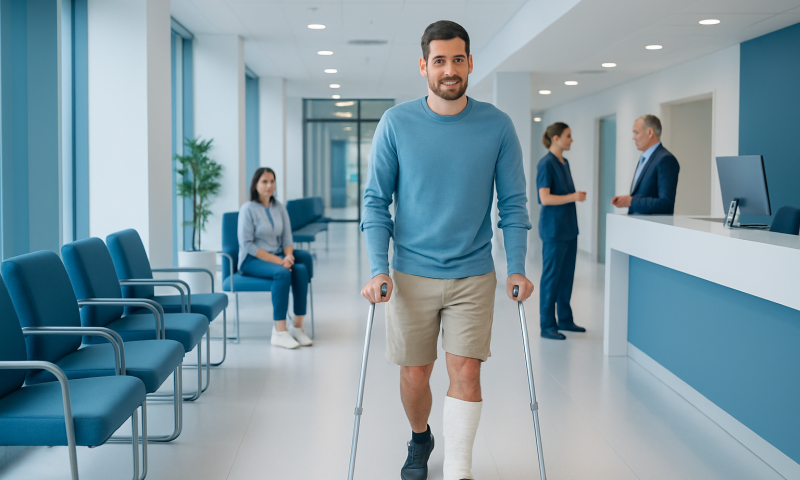
- Many patients can travel by air with a cast or boot, but they should get medical clearance first.
- Swelling, pain, reduced mobility, and blood-clot risk are the main issues to consider before flying.
- A fresh cast may need to be split or delayed before travel if it is tight or likely to swell.
- Wheelchair assistance, aisle seating, and regular movement can make travel safer and more comfortable.
- Warning signs such as increasing pain, numbness, blue toes, chest pain, or shortness of breath need urgent medical attention.
Flying after a fracture, surgery, or sprain is often possible, but the timing and details matter. A cast or walking boot changes swelling, circulation, and blood-clot risk, so the safest plan depends on the injury, the type of immobilization, and the length of the flight.
Overview
For many people recovering from a fracture, sprain, tendon injury, or orthopedic procedure, the next question is not only how the bone or joint is healing, but how to get home safely. A cast or walking boot does not automatically rule out air travel. What matters is whether the injury is stable, swelling is controlled, and the patient can move, sit, and manage discomfort during the journey.
The main challenge is that airplane cabins create a few predictable stress points. Air pressure changes can make swelling feel more noticeable, long periods of sitting can slow circulation, and limited leg movement can increase the risk of a blood clot in some patients. That is why travel rules are less about a simple yes or no and more about planning the trip around the injury.
Patients who are flying after Herniated Disc Treatment Abroad: Injection, Rehab, or Surgery?" class="ahp-ilk">treatment abroad often need two layers of advice: what the orthopedic team recommends medically, and what the airline requires operationally. Those two answers do not always match exactly, so it helps to check both early rather than at the gate.
Symptoms and travel concerns patients often overlook
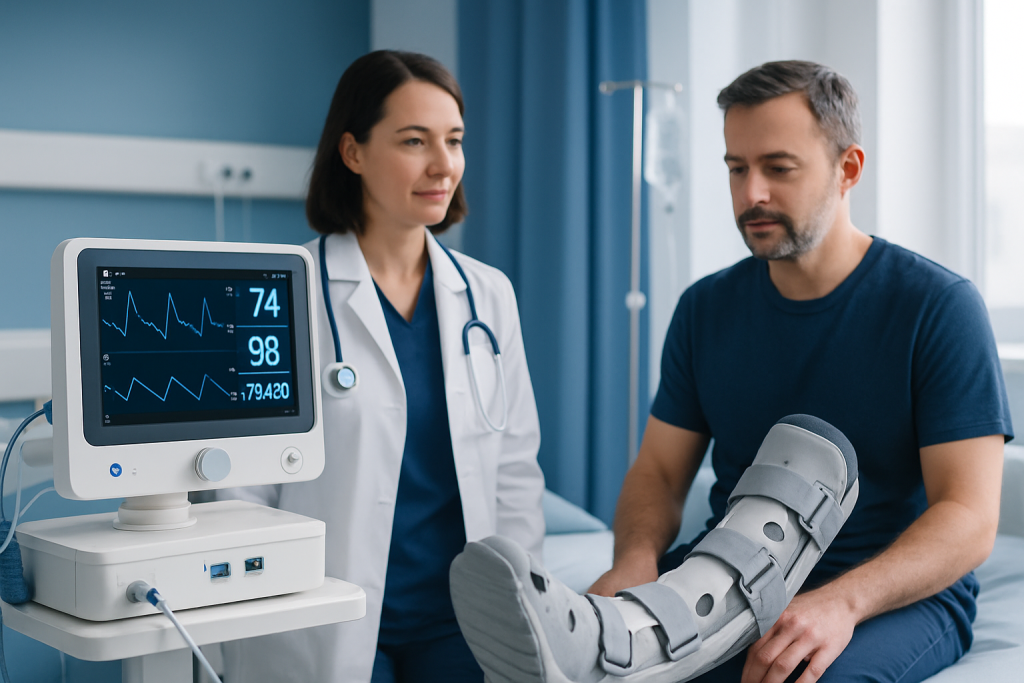
The most common concern is swelling. A limb that seems comfortable at rest in the clinic can feel tighter later in the day, especially after walking through airports, carrying luggage, or sitting with the leg dependent for several hours. If a cast feels snug before the flight, it may feel much tighter once travel begins.
Pain is another useful signal. A steady ache after injury is expected, but pain that worsens despite rest, elevation, or prescribed medication can suggest that the cast, splint, or boot is not fitting well enough for the journey. Numbness, tingling, cold toes, or color changes are not travel inconveniences to ignore; they can point to reduced circulation or nerve pressure.
Some issues appear less dramatic but are still important. A walking boot may make it harder to balance in crowded terminals. Crutches can be awkward on stairs, moving walkways, or bathroom trips. For patients flying soon after surgery, fatigue and swelling often make even routine airport tasks harder than expected.
- Increasing tightness in a cast or wrap
- New numbness, tingling, or weakness
- Toes that look blue, pale, or unusually cold
- Worsening pain that does not settle with rest
- Shortness of breath or chest pain, which require urgent care
Causes and risk factors that affect whether flying is safe
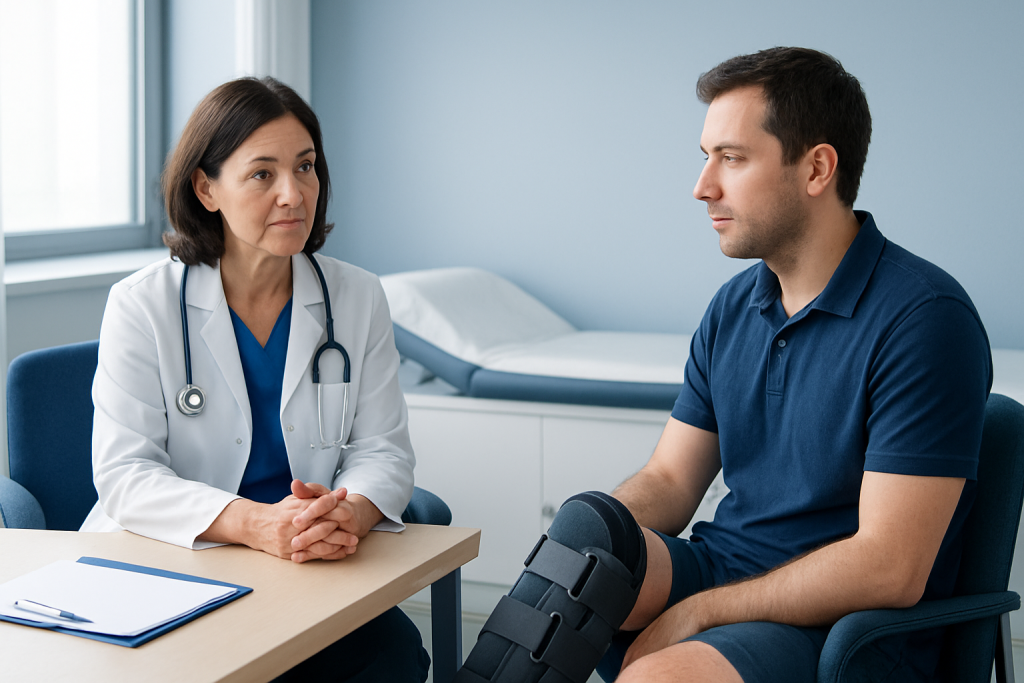
There is no single rule that applies to every cast or boot. A simple ankle sprain in a removable boot is very different from a fresh below-knee cast after surgery. The type of injury, the body part involved, and the amount of swelling expected all shape the travel decision.
Risk also changes with the type of immobilization. A rigid cast limits expansion when swelling increases, while a removable boot may allow more flexibility and easier skin checks. Upper-limb injuries are often simpler to travel with than lower-limb injuries, because leg injuries affect walking, circulation, and seating comfort more directly.
Other factors can raise the caution level. Recent surgery, a long-haul flight, previous blood clots, certain medical conditions, smoking, pregnancy, and reduced mobility can all make travel planning more complex. In practice, the orthopedic team weighs the injury itself together with the patient’s overall clot risk, distance to be traveled, and ability to self-care on arrival.
Airline rules can also influence timing. Some carriers require medical clearance after recent surgery, while others ask for documentation if a cast was applied within a certain window. If a cast has been placed very recently, it may need to be split to allow for swelling during air travel, but that decision belongs to the treating clinician, not the airline desk.
Diagnosis and pre-flight assessment
Before giving travel clearance, the clinician usually checks whether the injury is stable and whether circulation and nerve function are intact. This may include a physical exam of the injured limb, review of imaging if a fracture was involved, and questions about pain, swelling, weight-bearing status, and mobility.
For patients recovering abroad, pre-flight assessment is also a practical review. Can the patient get through an airport in a wheelchair? Can the boot be removed for security screening if needed? Is there a plan for medication, hydration, and follow-up after arrival? These are not minor details; they are part of safe orthopedic care.
If symptoms suggest a complication, additional assessment may be needed before any travel decision is made. That could mean checking whether the cast is too tight, whether a splint should be adjusted, or whether the patient needs evaluation for a blood clot. The goal is not to overcomplicate the trip, but to make sure the journey does not interfere with healing.
Treatment options and flight preparation
Management starts with the injury itself. A stable fracture may be treated with a cast, a splint, or a boot, depending on location and healing stage. If swelling is expected to change quickly, a splint or a cast that can accommodate swelling may be preferred over a fully circumferential cast.
For the flight, practical planning matters just as much as medical treatment. Patients are often advised to keep the injured limb elevated when possible, especially during waiting periods before boarding. Loose clothing, simple footwear for the uninjured side, and easy access to medications and paperwork can reduce stress. It is also wise to ask the airline in advance about wheelchair support, pre-boarding, and any requirements for carrying medical equipment.
Movement during the flight helps circulation. That may mean regular ankle pumps if allowed, gentle toe movement, standing only when safe, and changing position when possible. Patients should follow the treating clinician’s advice about weight-bearing and should never remove a non-removable cast on their own. A removable boot may be taken off only if the doctor says it is safe and if airport procedures allow it.
- Ask for medical clearance before booking if the injury is recent.
- Confirm whether the cast was applied within the airline’s time window.
- Carry a summary letter that explains the diagnosis and mobility needs.
- Bring medications in original packaging and keep them in carry-on luggage.
- Plan airport assistance instead of expecting to manage with luggage and crutches alone.
Prevention and self-care during the journey
Good travel planning begins before leaving the clinic or hospital. Patients should ask when swelling is most likely to peak, whether the current immobilization is suitable for a flight, and what to do if the cast becomes uncomfortable in transit. A short conversation can prevent a long, difficult trip.
During the journey, hydration and movement matter. Cabin air is dry, and dehydration can make discomfort feel worse. If allowed by the treating team, standing up, walking a short distance, or doing seated leg movements can support circulation. Patients who cannot safely walk should still request help with transfers and boarding rather than pushing through on their own.
It is also sensible to watch the limb closely after arrival. Swelling often increases after travel, so elevation and rest may be helpful once at the destination. If the patient is returning home after treatment abroad, arranging a follow-up appointment before departure or soon after landing can help keep recovery on track and reduce uncertainty.
When to see a doctor
Medical advice should be sought before flying if the injury is new, pain is increasing, swelling is significant, or the cast or boot feels too tight. The same applies if the patient has had recent surgery, a history of blood clots, or any condition that may affect circulation or healing. If there is uncertainty, it is safer to ask before travel than to discover a problem midway through the trip.
Urgent evaluation is needed for warning signs such as severe unrelenting pain, numbness, blue or pale toes, inability to move the fingers or toes, fever with worsening limb pain, chest pain, or shortness of breath. These symptoms are not typical travel discomfort and should not be managed by waiting it out on the plane.
For international patients, it can help to plan care around the travel schedule rather than treat travel as an afterthought. At Acibadem Health Point, multidisciplinary specialists and JCI-accredited hospitals diagnose and treat orthopedic conditions for international patients, including practical guidance for recovery and follow-up across borders.
Frequently asked questions
01Can a person fly with a cast on?
Often yes, but it depends on the injury, the timing of the cast, and how much swelling is expected. A clinician should confirm that circulation is safe and that the cast will not become too tight during the flight.
02Is a walking boot safer for travel than a hard cast?
A removable boot can be easier to check and adjust, which may help with swelling and airport screening. That said, the injury itself matters more than the device, so the treating doctor should decide what is appropriate.
03How soon after a fracture can someone fly?
There is no single waiting period for every fracture. Some patients can travel soon after treatment, while others should delay until swelling is under better control and the limb is stable enough for a flight.
04Do airports or airlines have special rules for casts?
Many airlines do, especially if the cast was applied recently or if the patient needs extra help. It is best to contact the airline in advance and ask about medical clearance, seating, and mobility assistance.
05What can help reduce swelling during the trip?
Elevating the limb when possible, staying hydrated, and moving safely at regular intervals can help. Patients should also follow the doctor’s instructions about weight-bearing, medication, and whether the boot or wrap can be adjusted.
06When should a traveler worry that the cast is too tight?
A cast may be too tight if pain is worsening, toes become numb, cold, pale, or blue, or swelling seems to be increasing inside the cast. These signs need prompt medical review, especially before or during travel.
This article is for general information only and is not a substitute for professional medical advice. Please consult a qualified doctor about your individual situation.
Joint and spine care in Turkey — expert assessment & treatment
JCI-accredited · board-certified surgeons · reply within 24h
Add us as a Preferred Source to see more of our trusted health content across Google Search, AI Overviews and Discover.