Anesthesia Options Abroad: Local, Sedation, or General—How Patients Choose

Key Takeaways
- The best anesthesia choice depends on the procedure, the patient’s medical history, and the expected recovery needs.
- Local anesthesia numbs a small area, sedation calms or lightly sleeps the patient, and general anesthesia creates full unconsciousness.
- A pre-anesthesia assessment is especially important for international patients because it reviews medications, allergies, airway concerns, and travel timing.
- Fasting instructions, medication plans, and post-procedure support should be confirmed before travel to reduce avoidable delays.
- Patients should speak up about past anesthesia reactions, sleep apnea, anxiety, and pregnancy before any procedure.
Choosing anesthesia is a shared decision shaped by the procedure, a person’s health, comfort level, and how long recovery should take. For patients traveling abroad, understanding each option in plain language helps them prepare with confidence and ask the right questions before treatment.
Overview
When patients plan a procedure abroad, anesthesia is often one of the least visible parts of the journey and one of the most important. The choice between local anesthesia, sedation, and general anesthesia affects comfort during the procedure, how quickly a person wakes up, and what recovery looks like once they leave the hospital or clinic.
There is rarely a single “best” option for everyone. The right choice depends on the type of procedure, how much pain or movement would interfere with the treatment, and whether the patient can safely tolerate certain medicines. For international patients, the decision also has to fit travel plans, overnight observation needs, and the practical question of who will help after discharge.
Doctors usually discuss anesthesia as part of the overall treatment plan, not as a separate add-on. That conversation matters because patients often arrive with different expectations based on what is routine in their home country. A clear explanation helps them understand not only what will happen during the procedure, but also how they may feel afterward and when they can safely fly, walk, eat, or resume everyday activities.
What each anesthesia option means
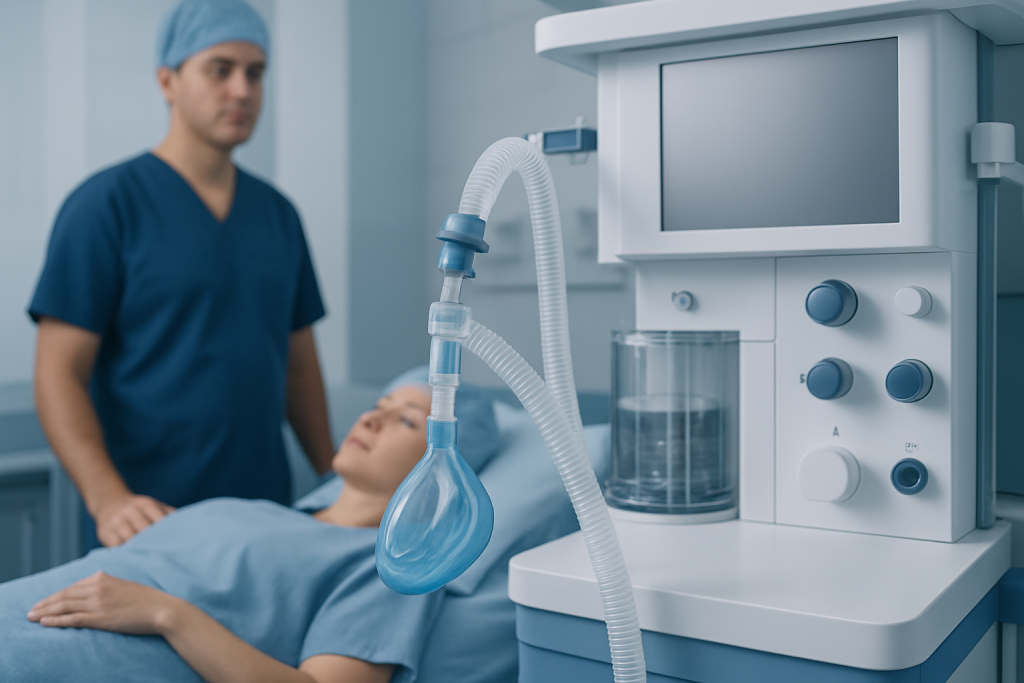
Local anesthesia numbs a small, specific area of the body while the patient remains awake. It is often used for minor skin procedures, dental care, small biopsies, and certain outpatient treatments. Patients may feel pressure, tugging, or movement, but they should not feel sharp pain in the numbed area.
Sedation sits in the middle of the spectrum. Depending on the depth of sedation, a person may feel relaxed and sleepy, or they may drift in and out of awareness. Some people remember little of the procedure, while others can respond to simple instructions. Sedation is commonly used for endoscopy, some dental procedures, and selected minor surgeries.
General anesthesia is different because it makes the patient fully unconscious and unable to feel or remember the procedure. It is used when the surgery is longer, more complex, or would be too uncomfortable or difficult to perform while the patient is awake. Because it affects breathing and other body functions, general anesthesia requires closer monitoring and a more detailed pre-procedure evaluation.
How doctors help patients choose

The choice often begins with the procedure itself. A treatment that is brief and limited to one area may be handled well with local anesthesia, while a more invasive operation may require sedation or general anesthesia. Doctors also consider whether stillness is essential, since even small movements can matter in delicate procedures.
Medical history is another major part of the decision. A clinician will look at allergies, previous anesthesia experiences, heart or lung conditions, reflux, sleep apnea, fasting status, pregnancy, and current medications or supplements. These details help the team estimate how the body may respond and whether one option is safer or more practical than another.
Patient preference also matters. Some people want to stay awake and avoid heavier medicines, while others feel more secure knowing they will not remember the procedure. For international patients, the team may also discuss the timing of travel, the need for a responsible adult after discharge, and whether follow-up care can happen safely once they are back home.
- Procedure type and length
- Need for immobility or muscle relaxation
- Past reactions to anesthesia or pain medication
- Breathing, heart, and airway considerations
- Anxiety level and comfort with awareness during the procedure
- Travel plans and recovery support after discharge
What to expect during the pre-anesthesia assessment
Before the procedure, patients usually meet an anesthesiology team or complete a detailed pre-assessment. This step is especially valuable when care is being arranged abroad, because it gives the team time to review records, ask focused questions, and plan for any language or logistics concerns.
The assessment may include a physical exam, a review of medications, and questions about prior surgeries, asthma, snoring, nausea after anesthesia, and any family history of anesthesia problems. Depending on the procedure and the patient’s health, tests such as blood work, an electrocardiogram, or imaging may be requested.
Patients should be ready to mention everything they take, including prescriptions, over-the-counter pain relievers, herbal products, and supplements. Even items that seem minor can influence bleeding, sedation, or blood pressure. If the patient is planning to fly soon after treatment, the team may also explain whether that timing is reasonable or whether observation is preferred first.
Local anesthesia: where it fits best
Local anesthesia is often a practical choice when the treatment is limited, the area can be fully numbed, and the patient can remain comfortable while awake. It is commonly used in dentistry, minor skin surgery, small wound repair, and some outpatient procedures. Recovery is often straightforward because the medicine affects only a specific part of the body.
Some patients appreciate that local anesthesia avoids the deeper effects of sleep-inducing medicines. They may be able to eat sooner, return home sooner, and resume light activity more quickly. Even so, the experience is not always completely sensation-free; pressure or unusual sounds may still be present, which is why good preparation and explanation matter.
For international patients, local anesthesia can sometimes make scheduling easier because it may reduce the need for overnight monitoring. Still, the team should confirm whether the patient needs an escort, how long numbness will last, and what kind of follow-up wound care or medication is expected after leaving the clinic.
Sedation and general anesthesia: when a deeper plan is useful
Sedation is often chosen when comfort, relaxation, and limited memory of the procedure are important, but full unconsciousness is not necessary. It can be useful for procedures that are uncomfortable, somewhat lengthy, or difficult for a patient to tolerate while fully awake. Because the depth of sedation can vary, the care team monitors breathing, heart rate, and responsiveness closely.
General anesthesia is usually reserved for more extensive procedures or situations where patient movement must be completely prevented. It can also be appropriate when a patient cannot safely or comfortably undergo the procedure another way. During general anesthesia, the anesthesia team continuously watches breathing and vital signs and may use airway support if needed.
Each deeper level of anesthesia comes with more planning. Patients may need to fast, temporarily pause certain medications, and arrange for someone to accompany them afterward. Nausea, grogginess, sore throat, or fatigue may occur after general anesthesia, so patients should be prepared for a slower return to normal routines and, in some cases, a longer stay before flying home.
Prevention, preparation, and self-care
Good preparation reduces surprises. Patients should follow fasting instructions exactly, since eating or drinking too close to anesthesia can increase the risk of complications. They should also ask which regular medicines should be taken on the day of the procedure and which should be held, especially blood thinners, diabetes medicines, or certain herbal products.
Before traveling, it helps to arrange practical support for the return journey. That may include a companion, accommodation that allows for rest, and enough time between the procedure and any planned flight. Patients should also bring a written medication list, allergy information, and copies of relevant medical records, ideally in a format the treating team can review easily.
After the procedure, self-care usually focuses on rest, hydration, pain control as instructed, and watching for unusual symptoms. Patients should avoid driving, signing important documents, or making major decisions if they feel drowsy or have received sedation or general anesthesia. A calm recovery plan is especially helpful when the patient is in another country and adjusting to unfamiliar surroundings.
When to see a doctor
Patients should contact a doctor before the procedure if they have had trouble with anesthesia in the past, if they snore loudly or have sleep apnea, or if they have a heart, lung, liver, or kidney condition. It is also important to speak up if they are pregnant, may be pregnant, or have recently had an infection.
After a procedure, medical advice should be sought promptly if there is severe pain not relieved by prescribed medicine, persistent vomiting, breathing difficulty, chest pain, fainting, heavy bleeding, high fever, or confusion that does not improve. These symptoms are not expected parts of routine recovery and deserve prompt attention.
For international patients, it is wise to clarify in advance who to contact if a concern develops after returning home. When treatment is planned in a different country, Acibadem Health Point’s multidisciplinary specialists and JCI-accredited hospitals can help diagnose and treat a wide range of procedures for international patients, with anesthesia planning built into the overall care pathway.
Frequently asked questions
01How do doctors decide between local, sedation, and general anesthesia?
They look at the procedure, the patient’s health, and how much comfort or immobility is needed. A patient’s previous anesthesia experience and travel plans can also influence the choice. The safest option is usually the one that best matches both the procedure and the person’s medical profile.
02Is sedation the same as being asleep?
Not always. Some sedation makes a person very sleepy and less aware, while deeper sedation can make them remember little or nothing of the procedure. Unlike general anesthesia, sedation does not always cause full unconsciousness.
03Will local anesthesia completely remove pain?
Local anesthesia usually numbs the area well enough to prevent sharp pain, but a person may still feel pressure or movement. If discomfort is expected, the doctor can discuss whether another anesthesia option would be better. Patients should speak up if numbness does not feel adequate during the procedure.
04What should international patients tell the anesthesia team?
They should share their full medical history, medication list, allergies, previous surgeries, and any past problems with anesthesia or nausea. It is also helpful to mention sleep apnea, pregnancy, and the date of the planned return flight. These details help the team plan safely and avoid last-minute changes.
05Can a patient fly soon after anesthesia?
It depends on the procedure, the type of anesthesia, and how the person is recovering. Some patients can travel relatively soon after minor procedures, while others need observation or a longer recovery window. The treating team should give travel guidance before discharge.
06What if a patient is very anxious about being awake during a procedure?
That concern is common and should be discussed openly. The doctor may recommend sedation, explain what the patient will feel, or use other comfort measures if local anesthesia is still appropriate. Understanding the plan in advance often reduces fear more effectively than trying to “push through” the anxiety.
This article is for general information only and is not a substitute for professional medical advice. Please consult a qualified doctor about your individual situation.
Explore treatments in Turkey — costs, top hospitals & a free quote
JCI-accredited · board-certified surgeons · reply within 24h
Add us as a Preferred Source to see more of our trusted health content across Google Search, AI Overviews and Discover.