





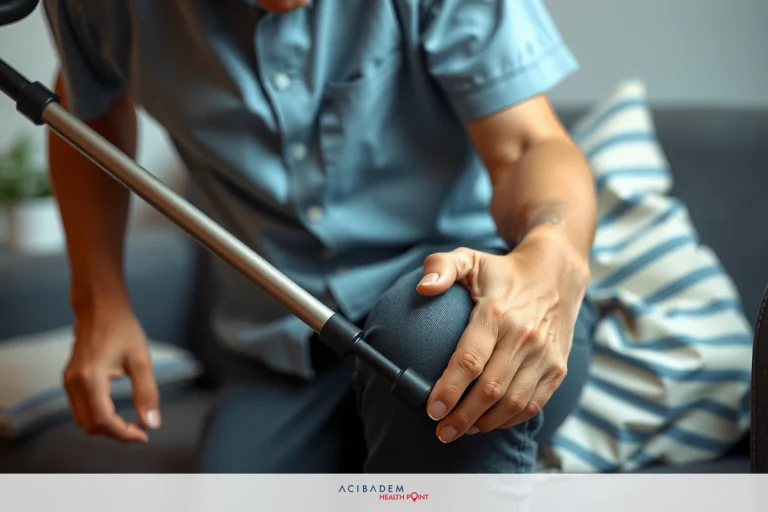
Where is Lymphedema Located: An Overview
Where is Lymphedema Located: An Overview Lymphedema is a chronic condition caused by a compromised lymphatic system. This system plays a vital role in immune function and fluid balance. When damaged, it leads to fluid buildup, resulting in persistent swelling.
Affecting over 10 million Americans, this condition often appears in the arms or legs. However, it can develop in any part of the body. Primary cases are rare, occurring in about 1 in 100,000 people. Secondary cases are more common, with 30% of breast cancer survivors developing it after treatment.
Risk factors include cancer therapies, genetic conditions, and infections. Early diagnosis and proper management are crucial to improving quality of life. Understanding the lymphatic system and its role helps in recognizing and addressing this condition effectively.
Understanding Lymphedema: What You Need to Know
The lymphatic system plays a critical role in maintaining fluid balance and immune health. When this system is compromised, it can lead to chronic swelling, known as lymphedema. This condition occurs when lymph fluid builds up in tissues, causing discomfort and other complications.
Definition and Basics of Lymphedema
Lymphedema is a chronic condition caused by a damaged or blocked lymphatic system. This system includes a network of lymph vessels and lymph nodes that help circulate lymph fluid throughout the body. Lymph fluid contains proteins, toxins, and white blood cells, essential for immune function.
Primary lymphedema is rare and often linked to genetic mutations, such as Milroy’s or Meige disease. Secondary lymphedema is more common, with 83% of cases resulting from cancer treatments like surgery or radiation. Both types can lead to swelling, infections, and other complications if not managed properly.
How the Lymphatic System Works
A healthy lymphatic system circulates 2-3 liters of lymph fluid daily through over 600 lymph nodes. These nodes are clustered in areas like the neck, armpits, and groin. The system relies on lymphangion contractions to move fluid efficiently.
Where is Lymphedema Located: An Overview When the system is impaired, fluid buildup occurs, leading to swelling. This can progress through stages, from mild swelling to severe tissue changes. Common comorbidities include cellulitis and lymphangiosarcoma, making early diagnosis and treatment crucial.
Where is Lymphedema Located in the Body?
Fluid buildup due to lymphatic system damage often appears in specific body regions. The condition primarily affects the arms legs, but it can also develop in less common areas. Understanding these patterns helps in early detection and effective management.
Common Areas Affected by Lymphedema
In 92% of cases, swelling occurs in the limbs. The lower extremities, including the leg, account for 67% of these instances. The upper extremities, particularly the affected arm, are often linked to breast cancer treatments like surgery or radiation.
For example, breast cancer-related swelling typically progresses from the affected arm to the axillary nodes. Similarly, lower extremity swelling often involves the inguinal nodes. These drainage patterns highlight the importance of monitoring these parts body for early signs.
Less Common Locations of Lymphedema
Where is Lymphedema Located: An Overview While limbs are the most frequent sites, swelling can also occur in other regions. Head and neck lymphedema affects 54% of oral cancer survivors. This type often results from lymph node dissection or radiation therapy.
Abdominal swelling is another less common form, occurring in 18% of gynecological cancer patients. Pelvic radiation can lead to genital edema, while truncal lymphedema may develop after melanoma surgery. These cases emphasize the diverse ways cancer surgery impacts the lymphatic system.
| Presentation Type | Percentage of Cases | Common Causes |
|---|---|---|
| Unilateral | 75% | Cancer treatments, localized infections |
| Bilateral | 25% | Genetic conditions, systemic infections |
How Lymphedema Affects Your Body
Living with lymphedema can significantly impact both physical and emotional well-being. This condition not only causes visible swelling but also leads to discomfort, mobility challenges, and emotional strain. Understanding these effects is crucial for effective management and improving quality of life.
Physical Symptoms and Discomfort
One of the earliest signs of lymphedema is a change in how clothing fits, reported by 68% of patients. Swelling often starts as mild pitting edema, where pressing the skin leaves a temporary indentation. Over time, untreated swelling can progress to fibrosis, causing tissue hardening and reduced flexibility.
Diagnostic techniques like Stemmer’s sign help identify the condition. This involves checking for thickened skin folds on the toes or fingers. Without proper care, 41% of patients develop recurrent cellulitis, a painful infection of the deeper skin layers. The annual risk of cellulitis is 23%, making infection prevention a priority.
Mobility restrictions are another common issue. About 38% of patients require assistive devices like canes or wheelchairs. These challenges highlight the importance of early intervention and consistent care.
Emotional and Psychological Impact
Where is Lymphedema Located: An Overview Beyond physical symptoms, lymphedema takes a toll on mental health. Depression rates among patients are three times higher than in the general population. Many individuals feel self-conscious about their appearance, with 62% reporting body image concerns in surveys.
Financial strain adds to the emotional burden. Treatment costs often exceed $3,000 annually, placing stress on patients and their families. In advanced cases, caregivers also face significant challenges, balancing support with their own well-being.
Addressing these emotional and psychological effects is essential. Building a strong support network and seeking professional help can make a meaningful difference in managing this condition.
Types of Lymphedema: Primary and Secondary
Lymphedema can be categorized into two main types: primary and secondary. Each type has distinct causes, characteristics, and risk factors. Understanding these differences is crucial for proper diagnosis and treatment.
Primary Lymphedema: Causes and Characteristics
Primary lymphedema is rare, affecting about 1.3 in 100,000 people. It is often linked to genetic mutations that impair the lymphatic system. Conditions like Milroy’s or Meige disease fall under this category. Symptoms may appear at birth, during adolescence, or later in life, depending on the subtype.
Congenital lymphedema is present at birth, while praecox and tarda types develop later. This condition results from a system damaged by genetic factors, leading to fluid buildup in tissues. Early diagnosis is vital to prevent complications like fibrosis or recurrent infections.
Secondary Lymphedema: Causes and Risk Factors
Secondary lymphedema is more common and often results from external factors. Cancer treatment, including surgery and radiation, is a leading cause. For example, 21% of patients who undergo axillary node dissection develop arm swelling. Similarly, filariasis, a parasitic infection, causes 15 million global cases.
Other risk factors include obesity, with a BMI over 30 tripling the risk. High-dose radiation, particularly ≥50Gy, increases the likelihood by 38%. Monitoring for cancer recurrence is also essential, as it can exacerbate the condition. Treatment approaches vary based on the underlying cause.
| Type | Causes | Risk Factors |
|---|---|---|
| Primary | Genetic mutations | Family history, rare congenital conditions |
| Secondary | Cancer treatment, infections | Surgery, radiation, obesity, filariasis |
Symptoms of Lymphedema: What to Look For
Recognizing the signs of lymphedema early can make a significant difference in managing the condition. Early detection helps prevent complications and improves quality of life. Below, we explore the early and advanced symptoms to watch for.
Early Signs and Symptoms
One of the first indicators is a subtle increase in limb circumference, as little as 3mm. Many patients report a feeling of heaviness in the arms or legs before visible swelling appears. Tightness in jewelry or sock marks are common early warnings.
Other signs include discomfort, reduced flexibility, and mild pitting edema. This occurs when pressing the skin leaves a temporary indentation. Monitoring these changes can help identify the condition in its initial stages.
Advanced Symptoms and Complications
If left untreated, lymphedema can progress to more severe stages. Hyperkeratosis, a thickening of the skin, affects 74% of Stage III patients. Chronic swelling may lead to fibrosis, causing tissue hardening and mobility issues.
Where is Lymphedema Located: An Overview Advanced cases can also result in lymphorrhea, where fluid leaks through the skin. Additionally, chronic lymphedema increases the risk of infections like cellulitis. In rare cases, angiosarcoma, a type of cancer, develops in 0.5% of patients.
- Feeling of heaviness in limbs
- Tightness in jewelry or clothing
- Mild pitting edema
- Reduced flexibility
- Thickening of the skin (hyperkeratosis)
- Fluid leakage (lymphorrhea)
- Recurrent infections
- Fibrosis and tissue hardening
- Mobility challenges
- Risk of angiosarcoma
Diagnosing Lymphedema: Methods and Procedures
Accurate diagnosis of lymphedema involves a combination of clinical evaluation and advanced imaging techniques. Early detection is critical to prevent complications and improve outcomes. Healthcare professionals use a systematic approach to identify the condition and its underlying causes.
Medical History and Physical Examination
The diagnostic process begins with a detailed medical history. Doctors assess risk factors such as cancer treatment, infections, or genetic conditions. A physical exam focuses on the affected area, checking for swelling, skin changes, and mobility issues.
One key diagnostic tool is the 5-part clinical assessment protocol. This includes evaluating limb circumference, skin texture, and fluid retention. Stemmer’s sign, a thicke

ned skin fold on toes or fingers, is a reliable indicator of lymphedema.
Diagnostic Tests and Imaging
Advanced imaging techniques provide precise insights into the lymphatic system. Bioimpedance analysis detects 92% of subclinical cases by measuring fluid levels in tissues. ICG lymphography offers 97% diagnostic accuracy, visualizing lymph flow in real-time.
CT scans are effective for identifying occult abdominal cases, with an 83% detection rate. MRI and ultrasound are also used to assess lymph nodes and surrounding tissues. Each modality has unique advantages, depending on the patient’s condition.
| Imaging Modality | Accuracy | Best Use Case |
|---|---|---|
| Bioimpedance | 92% | Subclinical detection |
| ICG Lymphography | 97% | Real-time lymph flow |
| CT Scan | 83% | Occult abdominal cases |
| MRI | 89% | Soft tissue assessment |
| Ultrasound | 78% | Lymph node evaluation |
Lymphoscintigraphy is another valuable tool, interpreting lymph flow patterns to confirm diagnosis. The ISL consensus criteria provide standardized guidelines for diagnosis. Differential diagnosis is essential to rule out conditions like lipedema or deep vein thrombosis (DVT).
Early screening is cost-effective, reducing long-term treatment costs. Pediatric cases require specialized assessment, as symptoms may differ from adults. A comprehensive approach ensures accurate diagnosis and personalized care.
Treatment Options for Lymphedema
Effective treatment strategies can significantly improve outcomes for those with lymphedema. A combination of therapies, including non-surgical and surgical approaches, helps manage symptoms and enhance quality of life. Early intervention is key to preventing complications and achieving long-term success.
Manual Lymphatic Drainage and Compression Therapy
Manual lymphatic drainage (MLD) is a specialized massage technique that stimulates lymph flow. This method targets specific drainage pathways to reduce swelling and improve fluid circulation. Studies show that MLD, when combined with compression garments, can reduce limb volume by 38-56% in just four weeks.
Compression garments are essential for maintaining results. These garments apply pressure to the affected area, preventing fluid buildup. Compression classes range from 20-60mmHg, with higher pressure used for severe cases. Consistent use of compression garments helps maintain a 29% volume reduction over time.
Complete decongestive therapy (CDT) is a comprehensive approach that includes MLD, compression, exercise, and skin care. CDT is highly effective, especially in the early stages of lymphedema. Patients often see significant improvements in mobility and comfort.
Surgical Interventions and Advanced Treatments
Where is Lymphedema Located: An Overview For advanced cases, surgical options may be necessary. Vascularized lymph node transfer has a 72% success rate in restoring lymphatic function. This procedure involves transplanting healthy lymph nodes to the affected area, improving fluid drainage.
Debulking surgery removes excess tissue to reduce swelling and improve mobility. Another innovative option is the LYMPHA procedure, which reconnects lymphatic vessels during cancer surgery. This approach reduces the risk of developing lymphedema post-treatment.
Emerging treatments, such as pneumatic pumps, offer non-invasive alternatives. These devices use air pressure to stimulate lymph flow, maintaining a 29% volume reduction. While costly, these therapies provide long-term benefits for patients.
| Treatment | Effectiveness | Best Use Case |
|---|---|---|
| Manual Lymphatic Drainage | 38-56% volume reduction | Early to moderate stages |
| Compression Garments | 29% volume maintenance | All stages |
| Vascularized Lymph Node Transfer | 72% success rate | Advanced cases |
| Pneumatic Pumps | 29% volume reduction | Maintenance therapy |
Emergency treatment for cellulitis is also crucial. Infections can worsen lymphedema, so prompt care is essential. Antibiotics and proper wound care help prevent complications and support recovery.
Managing Lymphedema: Lifestyle and Self-Care Tips
Daily routines play a key role in reducing symptoms and improving quality of life. By incorporating simple habits, you can manage swelling and prevent complications. Focus on exercise, skin care, and infection prevention to stay healthy and active.
Exercise and Physical Activity
Regular exercise helps improve lymphatic flow and reduce fluid buildup. Aquatic therapy, for example, increases range of motion by 41%. Low-impact activities like swimming and yoga are safe and effective options.
Compression garments provide pressure during workouts, enhancing results. Always consult a healthcare professional before starting a new routine. Consistency is key to maintaining progress.
Skin Care and Infection Prevention
Healthy skin is vital for preventing complications. Use pH-balanced cleansers to reduce dermatitis by 67%. Daily moisturizing prevents 82% of fissures, keeping your skin intact and protected.
Inspect skin folds regularly for signs of redness or irritation. Proper hygiene reduces the risk of infection. Keep your skin clean and dry to avoid bacterial growth.
- Swimming and yoga are safe exercise options.
- Inspect skin folds daily for early signs of issues.
- Use compression garments to apply pressure.
- Moisturize daily to prevent skin damage.
- Practice good hygiene to avoid infection.
Preventing Lymphedema: Strategies and Recommendations
Proactive measures can significantly lower the chances of developing lymphedema. For those at risk, especially after cancer surgery or radiation, understanding prevention strategies is crucial. Combining medical care with healthy habits can make a meaningful difference.
Post-Surgery and Radiation Care
Prehab exercises reduce post-op risk developing by 36%. These routines strengthen the body and improve lymphatic flow. Intraoperative nerve-sparing techniques also minimize damage to lymph vessels, lowering the risk of fluid buildup.
Post-radiation skin care is equally important. Use gentle cleansers and moisturizers to protect the skin. Avoid tight clothing or accessories that restrict blood flow in the arms legs. Regular monitoring helps catch early signs of swelling.
Healthy Habits and Risk Reduction
Maintaining a healthy BMI reduces progression by 44%. Focus on balanced nutrition and regular physical activity. Avoid blood pressure cuffs on the arms legs, as they can compress lymph vessels and increase risk.
Prophylactic compression garments offer additional protection. These garments apply gentle pressure, promoting healthy lymph flow. Incorporate these habits into your daily routine to stay proactive.
- Engage in prehab exercises before cancer surgery.
- Use nerve-sparing techniques during procedures.
- Follow post-radiation skin care protocols.
- Maintain a healthy BMI through diet and exercise.
- Wear prophylactic compression garments as needed.
Living with Lymphedema: Long-Term Management and Support
Managing lymphedema long-term requires a combination of professional support and personal strategies. Building a strong network and accessing the right resources can make a significant difference in quality of life. This section explores how to create a sustainable support system and utilize available care options effectively.
Building a Support Network
A multidisciplinary care team is essential for comprehensive management. This team may include physical therapists, nutritionists, and mental health professionals. Support groups also play a crucial role, improving adherence to treatment plans by 53%.
National organizations like the National Lymphedema Network (NLN) and Lymphatic Education & Research Network (LE&RN) offer valuable resources. These organizations provide educational materials, advocacy, and connections to local support groups. Engaging with these networks can help people feel less isolated and more empowered.
Resources and Professional Help
LANA-certified therapists specialize in lymphedema care, improving outcomes by 41%. These professionals offer personalized treatment plans, including manual lymphatic drainage and compression therapy. Complementary therapies like acupuncture are also popular, with 68% of patients reporting benefits.
Financial assistance programs can ease the burden of treatment costs. Many organizations provide grants or sliding-scale fees for those in need. Workplace accommodations, such as flexible schedules or ergonomic adjustments, are also available under the Americans with Disabilities Act (ADA).
- Engage with a multidisciplinary care team for holistic support.
- Join national organizations like NLN and LE&RN for education and advocacy.
- Seek help from LANA-certified therapists for specialized treatment.
- Explore financial assistance programs to manage treatment costs.
- Utilize workplace accommodations to maintain productivity.
| Resource | Benefit |
|---|---|
| Support Groups | Improve adherence by 53% |
| LANA-Certified Therapists | Enhance outcomes by 41% |
| Complementary Therapies | Used by 68% of patients |
| Financial Assistance Programs | Reduce treatment costs |
Emotional coping strategies are equally important. Practices like mindfulness and journaling can help manage stress and improve mental health. Open communication with loved ones about intimacy and relationship challenges fosters understanding and support.
Taking Control of Your Lymphedema Journey
Taking charge of your health starts with understanding your condition. Early intervention maintains 89% limb function, making timely treatment essential. With proper care, 76% achieve stable management, ensuring a better quality of life.
Start by consulting a multidisciplinary team for personalized care. Regular exercise and compression therapy help reduce swelling and improve mobility. Protecting your body from infections and maintaining skin health are also crucial steps.
Empower yourself with knowledge and support. Join groups, explore emerging research, and stay proactive. Survivor testimonials show that with dedication, long-term success is possible. Together, we can navigate this journey with hope and resilience.


