





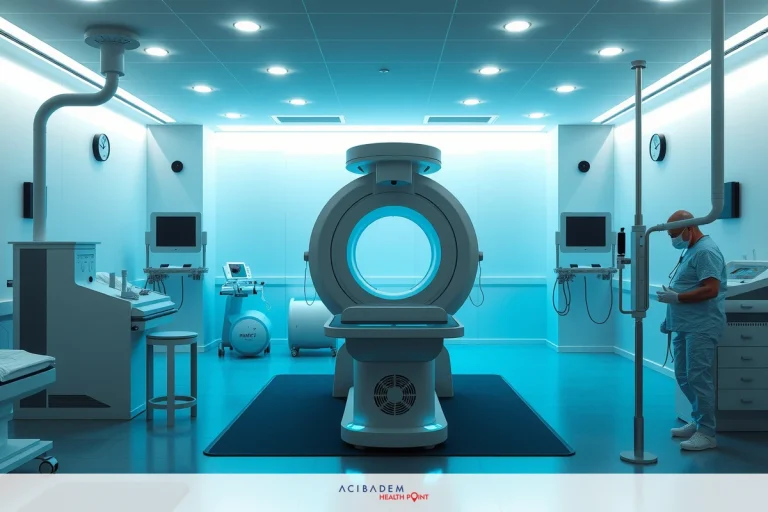
What Is Proton Beam Therapy?
What Is Proton Beam Therapy? Proton beam therapy is an advanced form of radiation treatment used in cancer care. It uses protons to precisely target tumors minimizing damage to surrounding healthy tissue. Patients often prefer it for its precision and reduced side effects compared to conventional therapies. Doctors value its ability to treat hard- to-reach cancers without harming vital organs close by.Understanding proton beam therapy starts with knowing how it differs from standard radiation treatments. Its unique approach allows higher doses of radiation delivered directly into the tumor potentially increasing the chance of eliminating cancer cells. Many find comfort in this targeted method because it spares more of the body’s normal cells.
Insurance companies may cover proton beam therapy but policies vary widely so patients must check their coverage details beforehand. The cost can be high yet many believe the potential benefits justify the investment in their health. With less impact on a patient’s daily life during and after treatment this therapy presents a preferred option for those eligible.
How does proton beam therapy work?
Proton beam therapy is a type of radiation that fights cancer. Unlike X-rays it stops at the tumor site. This means less harm to nearby healthy cells and tissues.
The heart of this advanced treatment lies in its precision. A machine called a cyclotron speeds up protons. These high-energy particles then travel to the targeted area with pinpoint accuracy.
Cancer treatment with proton therapy is painless for patients. It’s like getting an X-ray but far more sophisticated. During each session doctors can adjust the dose as needed.
With proton beam therapy side effects are often fewer than traditional methods. That’s because it reduces exposure to non-cancerous cells which helps preserve quality of life during treatment.
Benefits of proton beam therapy
Proton beam therapy offers a precise approach to treating cancer. It can target tumors with minimal impact on the body. This means patients often experience fewer side effects during and after treatment.
For children and young adults proton therapy is especially beneficial. Their growing tissues are more sensitive to radiation. Proton beams protect their development better than traditional methods.
Another advantage is the potential for higher dose delivery directly to the tumor. This may increase the chances of destroying all cancer cells in certain types of cancer without additional harm.
Because it’s so targeted, proton therapy is ideal for treating cancers near critical organs. For instance brain or spinal tumors that are too risky for other treatments can be managed well with protons.
Who is eligible for proton beam therapy?
Proton beam therapy isn’t right for everyone but can be a game-changer for some. Doctors look at the type, size, and location of the cancer before deciding. They also consider your overall health and past treatments.
Patients with tumors close to vital organs may be good candidates for this treatment. Proton therapy’s precision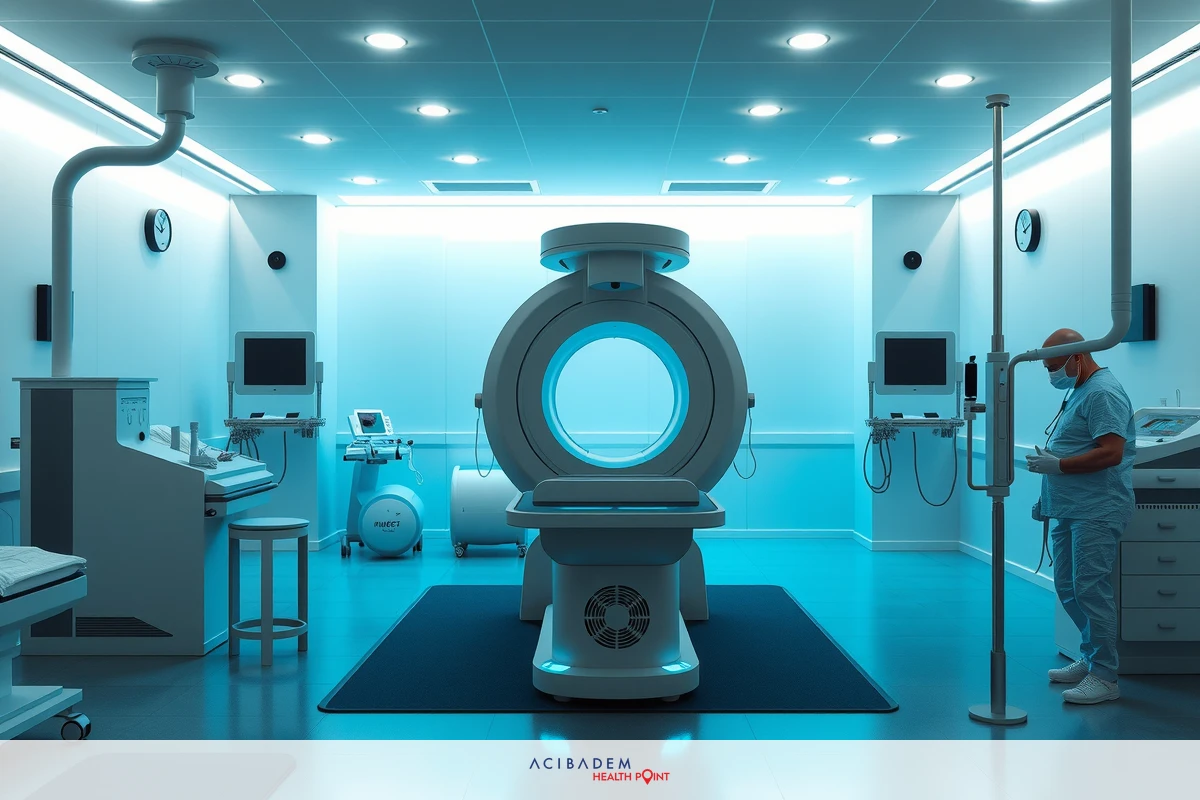 means less risk to these important parts of the body. It’s often chosen when other radiation could do
too much harm.
Children who need cancer treatment might benefit from proton beam therapy as well. Their bodies are still growing so sparing healthy tissue is extra important. When doctors say yes to protons for kids it’s because they believe in its gentle power against cancer.
Side effects of proton beam therapy
Proton beam therapy is known for having fewer side effects than traditional radiation. Because it can avoid healthy tissue the body tends to recover faster. This makes the treatment easier on patients.
Some common side effects include skin redness and soreness at the treatment site. These are often mild and go away after a short time. They’re similar to what you might see with other types of radiation but less severe.
Fatigue is another possible side effect as your body works to heal itself. It’s normal and expected regardless of the cancer treatment type. With proton therapy this tiredness doesn’t usually last long.
Patients may also experience temporary hair loss in the treated area. Unlike conventional radiation, which affects more cells, hair often grows back sooner after proton treatments.
Cost considerations for proton beam therapy
Proton beam therapy is often more costly than traditional radiation. The technology and equipment needed are very advanced. This makes the initial setup and running costs higher for healthcare providers.
Insurance coverage can vary greatly when it comes to this type of treatment. Some plans cover it fully while others may not at all. It’s crucial to check with your insurance company about what they will pay for.
The cost also depends on the number of treatments a patient needs. More sessions mean a higher price tag overall. Yet, because of its effectiveness, you might need fewer treatments compared to other therapies.
Patients should consider long-term savings from reduced side effects too. Less time off work and lower aftercare costs can offset the upfront expenses of proton therapy over time.
Many hospitals have financial counselors who specialize in cancer care costs. They help patients understand their options including payment plans or charity care if needed.
Frequently Asked Questions
Q: What types of cancer can be treated with proton beam therapy?
A: Proton beam therapy can treat many types of cancer, including brain, spine, prostate, and certain pediatric cancers.
Q: How long does a typical proton beam therapy session last?
A: Each session is quick usually lasting about 15 to 30 minutes. The actual time the protons are delivered is only a few minutes.
Q: Is proton beam therapy safe for children?
A: Yes it's considered safe and particularly beneficial for children because it reduces radiation exposure to growing tissues.

