






Symptoms and Management of Autonomic Neuropathy in Bladder Function
Symptoms and Management of Autonomic Neuropathy in Bladder Function Understanding these issues enables us to manage symptoms more effectively, ultimately enhancing the quality of life for affected individuals.
Understanding Autonomic Neuropathy
Autonomic neuropathy involves nerve damage to the autonomic nervous system, which manages involuntary functions such as bladder control. It is a significant concern for individuals with certain chronic conditions.
What is Autonomic Neuropathy?
Nerve damage affecting organs and systems—such as the bladder, heart, and digestive tract—impairs the body’s automatic functions. This can lead to issues with heart rate, blood pressure, and bladder control.
Typical Causes of Autonomic Neuropathy
Autonomic neuropathy can result from various factors, with diabetes being a major cause due to nerve damage from high blood sugar. Other contributors include autoimmune disorders, chronic illnesses, and certain infections. Managing these conditions is key to reducing the risk.
Who Is Vulnerable?
People who have had diabetes for many years are at higher risk of developing complications. Those with chronic conditions like lupus or rheumatoid arthritis are also more vulnerable due to potential nerve damage. Poor diet, inactivity, and smoking can further exacerbate the risk. Symptoms and Management of Autonomic Neuropathy in Bladder Function
| Risk Factor | Description |
|---|---|
| Diabetes | High blood sugar levels over time can cause extensive nerve damage |
| Autoimmune Diseases | Conditions like lupus and rheumatoid arthritis may increase risk |
| Chronic Illness | Long-term health conditions can deteriorate nerve function |
| Lifestyle Choices | Poor diet, lack of exercise, and smoking can exacerbate nerve damage |
Bladder Function and Autonomic Neuropathy
Autonomic neuropathy impairs bladder control by damaging the nerves responsible for regulating urination, causing daily life disruptions.
Understanding How Autonomic Neuropathy Impacts Bladder Function
It damages the nerves that communicate with the brain about the bladder, making it difficult to sense fullness. As a result, you may delay urination or be caught off guard.
Indicators of Autonomic Neuropathy Affecting Bladder Function
Individuals experiencing this problem may struggle to initiate urination or fully empty their bladder, often urinating frequently. These symptoms indicate nerve dysfunction that requires medical attention.
Symptoms of Autonomic Neuropathy in the Bladder
People with autonomic neuropathy frequently experience bladder issues that disrupt normal function, leading to discomfort and challenges in daily life.
Increased need to urinate frequently
Frequent trips to the bathroom can disrupt daily routines and sleep, leading to fatigue and decreased quality of life.
Understanding the reasons for increased frequency can help you handle it more effectively.
Urinary Retention
Some individuals struggle to completely empty their bladder, resulting in a feeling of fullness and discomfort. This can also increase the risk of urinary tract infections.
Understanding the cause of your bladder emptying difficulties is essential, as it allows you to receive the appropriate treatment to improve your condition.
Urinary Incontinence Problems
Experiencing bladder control issues can be challenging and embarrassing, often leading to unintentional urine leakage during activities like coughing, sneezing, or exercising.
Symptoms and Management of Autonomic Neuropathy in Bladder Function To address this, consider lifestyle adjustments, seek medical treatment, and explore supportive therapies to improve management.
Identifying Bladder Problems Caused by Autonomic Neuropathy
Doctors assess bladder issues related to autonomic neuropathy by reviewing your medical history, conducting a thorough physical exam, and performing specialized test
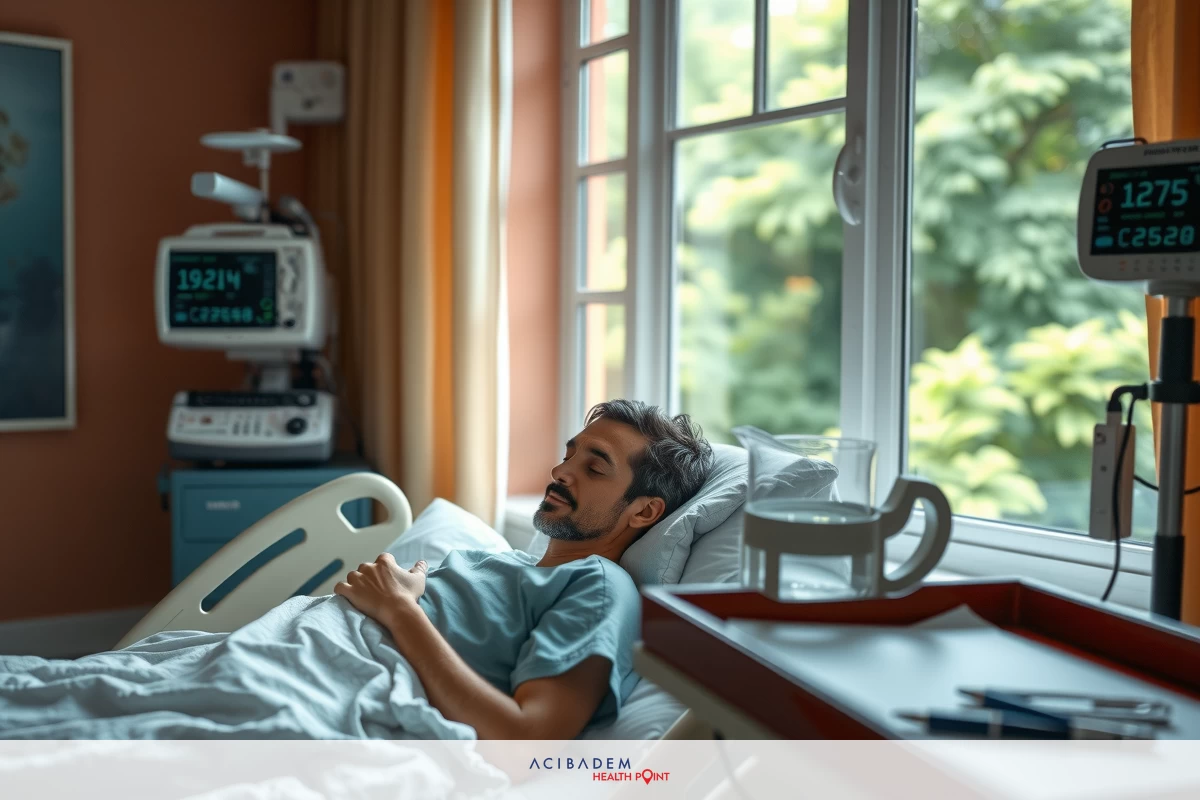
s to identify underlying problems.
Medical History and Physical Exam
Initially, doctors inquire about your symptoms, their duration, and any changes. They then examine your nerves to detect possible damage, enabling an early diagnosis and appropriate treatment. Symptoms and Management of Autonomic Neuropathy in Bladder Function
Diagnostic Tests and Procedures
Urodynamic testing is essential for diagnosing bladder problems caused by autonomic neuropathy. It assesses bladder pressure, urine flow, and muscle coordination to provide an accurate diagnosis.
| Diagnostic Test | Purpose | Relevance |
|---|---|---|
| Urodynamic Testing | Measures bladder function and urine flow | Determines if bladder muscle coordination is affected |
| Neurological Examination | Detects nerve damage and dysfunction | Helps in identifying autonomic neuropathy |
| Blood Tests | Evaluates biomarkers or conditions like diabetes | Provides insights into underlying health issues |
Treatment Strategies for Autonomic Neuropathy-Related Bladder Issues
Managing bladder problems caused by autonomic neuropathy requires a combination of treatments, including medications, behavioral adjustments, or surgical options. This overview will guide you and your healthcare provider in choosing the best approach.
Medications
Medicines can treat bladder issues. Doctors may prescribe anticholinergics for overactive bladder or alpha-blockers to improve urination. The aim is to select the appropriate medication, monitor its effectiveness, and watch for side effects.
Bladder Training
Behavioral therapy, such as bladder training, is a gentle approach to gaining better bladder control. It involves establishing a bathroom schedule and performing pelvic muscle exercises to strengthen muscles and improve habits, gradually reducing symptoms.
Surgical Procedures
If medications and behavioral therapy are ineffective, surgery may be considered. Options include sacral nerve modulation, bladder enlargement, or urinary diversion. Your healthcare provider will assess the severity of your symptoms and overall health before recommending surgical intervention.
| Treatment Method | Procedure | Effectiveness |
|---|---|---|
| Pharmacotherapy | Use of anticholinergics, alpha-blockers | Moderate to High |
| Behavioral Therapy | Bladder training, pelvic floor exercises | Variable (depends on patient adherence) |
| Surgical Treatments | Sacral nerve modulation, bladder augmentation | High (for severe cases) |
Adjusting Your Lifestyle to Alleviate Symptoms
Living with autonomic neuropathy and bladder problems requires lifestyle adjustments. This includes choosing the right foods and engaging in appropriate exercises, which can help reduce symptoms and improve quality of life.
Dietary Changes
Proper hydration is essential for managing bladder issues. Both over- and under-drinking can lead to urgency and leaks. Here’s how to stay balanced:
- Stay well-hydrated throughout the day, but avoid drinking water right before bed.
- Steer clear of bladder irritants such as caffeine and alcohol.
- Consume fiber-rich foods to prevent constipation, which can exacerbate bladder issues.
Physical Activity and Therapy
Regular exercise strengthens pelvic muscles and improves bladder control. Performing pelvic floor exercises, like Kegels, enhances muscle strength, while timed voiding encourages regular bathroom habits to reduce leaks. Here’s how to get started:
- Perform daily pelvic floor exercises to strengthen the muscles.
- Practice timed voiding by scheduled bathroom visits, gradually increasing the intervals between them.
- Keep fit and support your bladder by staying active through walking and stretching.
Here’s a list of fluids that are beneficial or harmful to your bladder:
| Good Fluids | Fluids to Avoid |
|---|---|
| Water | Caffeinated Drinks |
| Herbal Teas | Alcohol |
| Cranberry Juice | Carbonated Drinks |
The Significance of Consistent Medical Check-ups
Symptoms and Management of Autonomic Neuropathy in Bladder Function Routine check-ups are essential for individuals with autonomic neuropathy and bladder problems. They ensure continuous monitoring and proper management of their health.
Doctors can adjust treatment plans during regular check-ups by assessing their effectiveness and making necessary changes to better support the patient.
Regular check-ups help detect and address issues early, allowing patients to maintain better health and reducing the risk of serious complications from autonomic neuropathy.
| Aspect | Benefit |
|---|---|
| Ongoing Care | Ensures continuity and consistency in managing symptoms |
| Medical Monitoring | Facilitates timely detection of changes in bladder function |
| Treatment Adjustments | Allows customization of therapy for improved effectiveness |
Support and Coping Techniques
Managing bladder symptoms from autonomic neuropathy can be challenging, affecting both physical and emotional well-being. Seeking support and developing coping strategies can significantly improve quality of life. Symptoms and Management of Autonomic Neuropathy in Bladder Function


