





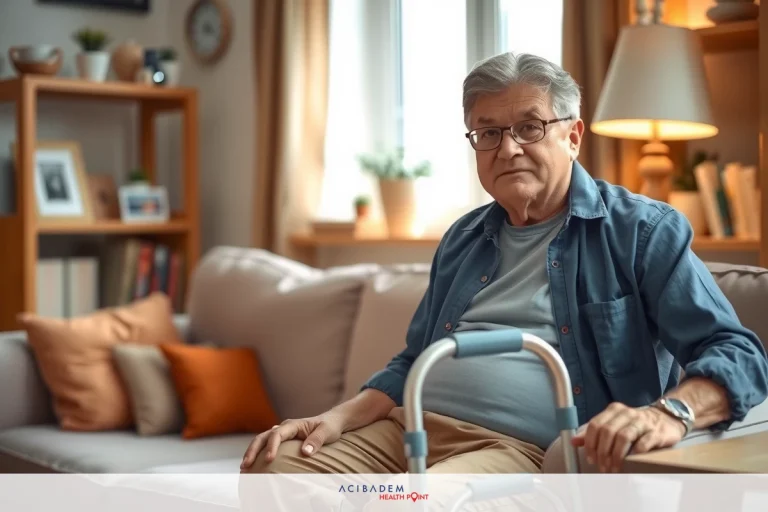
The Post-COVID Pneumonia Treatment Guidelines
The Post-COVID Pneumonia Treatment Guidelines The emergence of COVID-19 has significantly impacted global health systems, and as the world navigates the aftermath, the focus has shifted towards managing long-term complications such as post-COVID pneumonia. Post-COVID pneumonia, also known as “long COVID” lung involvement, presents unique challenges in diagnosis and treatment, requiring updated and comprehensive guidelines to optimize patient recovery.
Effective management begins with thorough assessment. Patients often report persistent cough, shortness of breath, fatigue, and chest discomfort long after initial infection resolution. Healthcare providers recommend detailed clinical examinations complemented by imaging studies, primarily chest X-rays and high-resolution CT scans, to evaluate the extent of lung inflammation and fibrosis. Pulmonary function tests are also crucial to determine the degree of impairment and to guide subsequent treatment plans. The Post-COVID Pneumonia Treatment Guidelines
The Post-COVID Pneumonia Treatment Guidelines One of the foundational components of treatment is medical therapy targeting inflammation and infection. Corticosteroids have become a cornerstone in managing post-COVID pneumonia by reducing ongoing inflammation, especially in cases with radiographic evidence of persistent infiltrates. The dosage and duration should be individualized based on severity, balancing benefits against potential side effects. Antiviral agents are generally not indicated in the post-viral phase but may be considered if there is evidence of secondary bacterial infection.
Rehabilitation plays a vital role in recovery. Pulmonary rehabilitation programs tailored to the patient’s capacity can improve lung function, reduce symptoms, and enhance quality of life. These programs typically include breathing exercises, physical activity, and education about energy conservation techniques. Early initiation of rehabilitation is recommended to prevent deconditioning and promote lung healing.
In addition to pharmacological and rehabilitative strategies, addressing comorbidities such as diabetes, hypertension, and cardiovascular disease is essential. These conditions can exacerbate respiratory symptoms and hinder recovery, so their optimal management is integrated into the treatment plan. The Post-COVID Pneumonia Treatment Guidelines
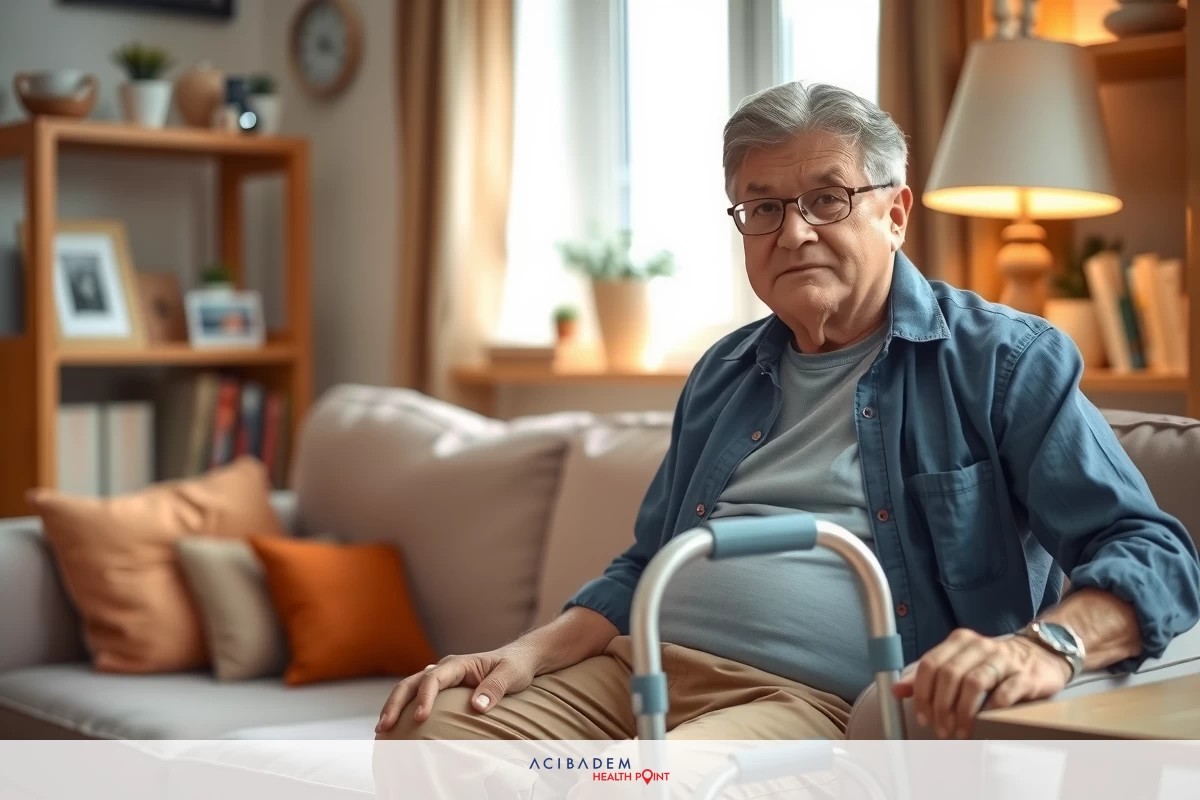
Monitoring and follow-up are critical to assess response to therapy and detect potential complications like fibrosis or secondary infections. Serial imaging and pulmonary function testing at defined intervals enable clinicians to modify treatment as needed. Moreover, vaccination against COVID-19 is strongly advised for recovered patients to prevent reinfection, which could worsen lung damage. The Post-COVID Pneumonia Treatment Guidelines
Emerging evidence suggests that some patients benefit from antifibrotic agents, especially those exhibiting signs of progressive fibrotic changes. However, further research is needed to establish their efficacy and safety in post-COVID pneumonia. Symptom management, including oxygen therapy and symptomatic medications, remains tailored to individual needs.
The Post-COVID Pneumonia Treatment Guidelines In conclusion, managing post-COVID pneumonia requires a multidisciplinary approach emphasizing early diagnosis, targeted therapy, pulmonary rehabilitation, and vigilant follow-up. As research continues to evolve, treatment guidelines will be refined to improve outcomes for patients navigating the long-term respiratory effects of COVID-19.


