





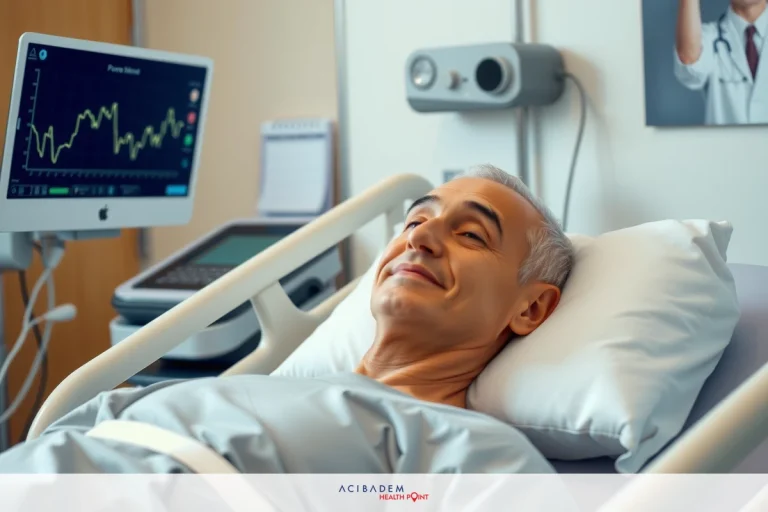
The liver cancer side effects cure rate
The liver cancer side effects cure rate Liver cancer, also known as hepatocellular carcinoma, presents significant challenges in diagnosis and treatment. Its prognosis and the potential for side effects from treatments are complex topics that impact patients’ quality of life and survival chances. A critical aspect of managing liver cancer involves understanding the treatment options, their side effects, and the overall cure rates.
Treatment modalities for liver cancer include surgical resection, liver transplantation, ablative therapies, targeted drug therapies, immunotherapy, and chemotherapy. The choice of treatment depends on the tumor size, location, liver function, and whether the cancer has spread. Surgical resection can offer a chance for a cure in early-stage liver cancer, but it’s only suitable for patients with good liver function and localized disease. Liver transplantation is another potentially curative option, especially for patients within specific criteria, such as the Milan or UCSF criteria, which assess tumor size and number.
However, these treatments often come with side effects, which can differ significantly depending on the therapy. Surgical procedures may lead to complications like bleeding, infection, or liver failure, especially in patients with underlying cirrhosis. Ablative therapies, such as radiofrequency ablation (RFA) or microwave ablation (MWA), can cause pain, fever, or damage to surrounding tissues. Targeted therapies and immunotherapies, while less invasive, frequently induce side effects like fatigue, rash, diarrhea, or liver toxicity.

Despite these challenges, the prospects for curing liver cancer have improved over recent decades. The overall cure rate varies considerably based on the stage at diagnosis and the treatment modality. Early detection significantly enhances the likelihood of successful treatment. For patients undergoing surgical resection or liver transplantation for early-stage disease, the five-year survival rate can reach approximately 50-70%, which is considered curative. Conversely, for advanced stages where surgery isn’t feasible, treatments tend to be palliative, with lower survival rates.
It’s essential to recognize that liver cancer often develops in the context of chronic liver disease, such as hepatitis B or C infection, or cirrhosis. Managing these underlying conditions can improve treatment outcomes and reduce the risk of recurrence. Additionally, ongoing research into targeted therapies and immunotherapies aims to increase the cure rates further and minimize side effects.
While the treatment landscape has advanced considerably, it remains vital for patients to receive personalized care from a multidisciplinary team. This approach optimizes the chances of cure while managing side effects effectively, improving overall quality of life. Early diagnosis remains the cornerstone of improving survival and potential cure, highlighting the importance of regular screening for at-risk populations.
In conclusion, the cure rate for liver cancer depends heavily on the stage at diagnosis and the chosen treatment. Side effects are an integral part of the treatment process but can often be managed with appropriate medical support. Continued research and early detection remain key to improving outcomes for liver cancer patients.

