





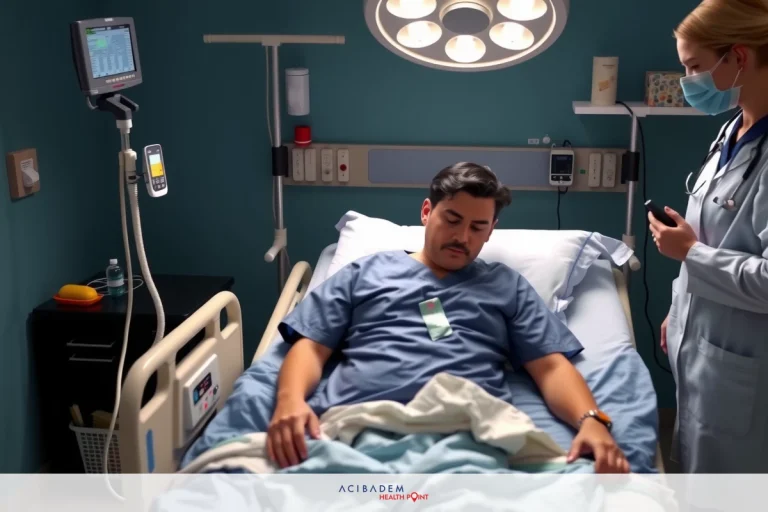
The liver cancer risk support
The liver cancer risk support Liver cancer, also known as hepatocellular carcinoma, is a formidable health challenge worldwide, ranking as one of the leading causes of cancer-related deaths. While the diagnosis of liver cancer can be daunting, understanding the risk factors and support options available can empower patients and their families to navigate this complex journey with hope and resilience. Prevention and early detection are critical components of managing liver cancer risk, and support mechanisms play an equally vital role in improving outcomes.
Several factors contribute to the risk of developing liver cancer. Chronic infections with hepatitis B or C viruses are among the most significant risk factors globally. These infections often lead to long-term liver inflammation, which can culminate in cirrhosis and subsequently increase cancer risk. Lifestyle choices such as excessive alcohol consumption, smoking, and exposure to aflatoxins—toxins produced by certain molds found in improperly stored grains and nuts—also elevate risk. Additionally, non-alcoholic fatty liver disease (NAFLD), linked to obesity and diabetes, is emerging as a notable contributor to liver cancer incidence. Recognizing these risk factors allows individuals to adopt preventive measures, including vaccination against hepatitis B, regular health screenings, lifestyle modifications, and managing underlying health conditions.
Support for those at risk or diagnosed with liver cancer encompasses a broad spectrum of services aimed at improving quality of life and treatment outcomes. Medical support begins with regular screening for high-risk groups, such as those with chronic hepatitis or cirrhosis. Early detection through imaging tests like ultrasound, blood tests measuring tumor markers, and biopsies can significantly enhance treatment options and prognosis. Once diagnosed, patients often face complex treatment decisions, including surgical resection, liver transplantation, localized therapies such as ablation or embolization, and systemic treatments like targeted therapy and immunotherapy. Navigating these options can be overwhelming, underscoring the importance of comprehensive medical support and counseling.

Beyond medical interventions, emotional and psychological support are crucial. A cancer diagnosis can evoke feelings of fear, anxiety, and uncertainty. Support groups, counseling services, and patient advocacy organizations provide safe spaces for sharing experiences, gaining information, and fostering resilience. For many patients, connecting with others facing similar challenges can reduce feelings of isolation and empower them to participate actively in their care decisions.
Nutritional guidance and palliative care also play essential roles in comprehensive support. Proper nutrition can help maintain strength and immune function, which are vital during treatment. Palliative care focuses on symptom management, pain relief, and enhancing comfort, ensuring that patients maintain dignity and quality of life throughout their journey.
In addition to individual efforts, community awareness and public health initiatives are instrumental in reducing liver cancer incidence. Vaccination programs, education about risk factors, and accessible screening services are vital components of prevention strategies. Supporting research to develop better treatments and understanding the disease further enhances the collective effort against liver cancer.
In conclusion, while liver cancer poses significant challenges, a proactive approach encompassing prevention, early detection, medical treatment, and holistic support can make a profound difference. Empowering patients through education, community resources, and compassionate care fosters hope and resilience, transforming the outlook for those affected by this disease.

