





The liver cancer risk questions
The liver cancer risk questions Liver cancer, also known as hepatocellular carcinoma, is a serious health concern worldwide, ranking among the top causes of cancer-related deaths. Understanding the risk questions associated with liver cancer is essential for early detection, prevention, and effective management. Several factors influence an individual’s likelihood of developing this disease, and awareness of these can empower people to seek medical advice and adopt healthier lifestyles.
One of the primary questions often asked is: who is at risk of developing liver cancer? While anyone can develop it, certain groups are more vulnerable. Chronic infection with hepatitis B or C viruses stands out as the most significant risk factor globally. These viral infections cause long-term liver inflammation, leading to cirrhosis, which substantially increases cancer risk. Additionally, individuals with a history of cirrhosis from various causes, including alcohol abuse or non-alcoholic fatty liver disease, are at heightened risk. Other medical conditions such as hemochromatosis, a genetic disorder causing iron overload, and certain inherited diseases like Wilson’s disease, also elevate risk levels.
Diet and lifestyle choices play a crucial role in liver cancer development. Questions often arise about the impact of alcohol consumption and obesity. Excessive alcohol intake damages liver cells over time, leading to cirrhosis and increasing cancer risk. Similarly, obesity and metabolic syndrome contribute to fatty liver disease, which can progress to cirrhosis and cancer. The role of aflatoxins—toxins produced by molds in improperly stored grains and nuts—is another concern, especially in regions with inadequate food storage, where exposure can significantly increase risk.
Environmental exposures and occupational hazards are also relevant. Long-term exposure to certain chemicals, such as vinyl chloride or pesticides, may increase liver cancer risk. Furthermore, questions about family history are common—if a close relative has had liver cancer, does that increase one’s risk? While genetic predisposition is less understood than infectious causes, having a family history suggests a need for increased surveillance.
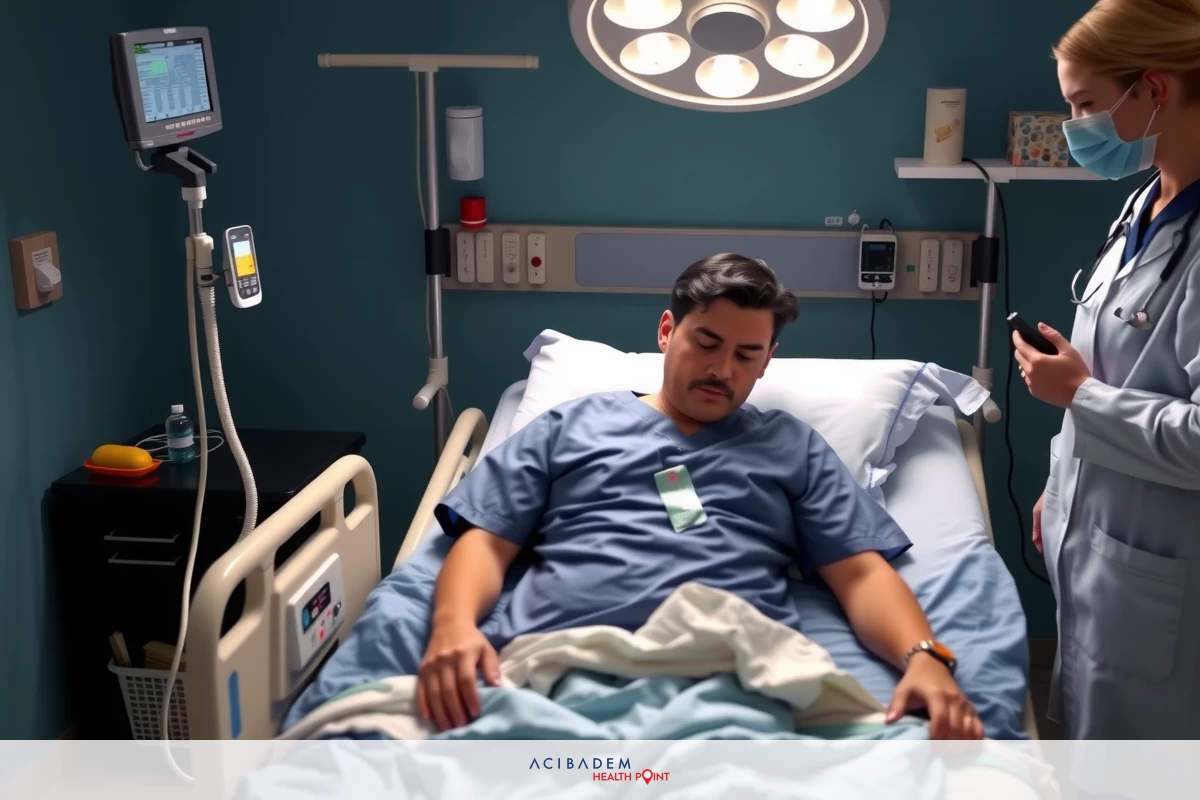
Screening and early detection questions are vital. People with known risk factors frequently ask when they should begin screening and which tests are most effective. Ultrasound examinations combined with blood tests like alpha-fetoprotein (AFP) levels are commonly used for surveillance in high-risk groups. Early detection significantly improves treatment outcomes, so understanding the appropriate screening intervals is crucial.
Preventive measures are also a common concern. Vaccination against hepatitis B provides a powerful tool to reduce liver cancer risk, especially in endemic areas. Managing chronic hepatitis infections through antiviral therapies can lower the progression to cirrhosis and cancer. Lifestyle modifications—limiting alcohol intake, maintaining a healthy weight, avoiding exposure to harmful chemicals, and ensuring proper food storage—are practical steps anyone can take.
In summary, asking the right questions about liver cancer risk involves understanding personal medical history, lifestyle choices, environmental exposures, and screening options. Awareness of these factors enables individuals to make informed decisions and seek appropriate medical care. While some risk factors are beyond personal control, many can be managed through lifestyle changes and medical interventions, emphasizing the importance of proactive health management.

