






Causes and Effective Treatments for a Bulging Spine
Causes and Effective Treatments for a Bulging Spine Understanding spinal conditions is essential for managing back pain. A bulging disc occurs when a disc extends beyond its normal boundary, potentially causing discomfort and impairing daily activities.
Causes and Effective Treatments for a Bulging Spine This guide explains the causes of a bulging spine, including aging, spinal degeneration, injuries, and genetics. It also explores options for relieving back pain, such as physical therapy, medication, and surgery. Our aim is to help you improve your spinal health.
Exploring the Structure of the Spine
Understanding spinal conditions such as bulging discs requires knowledge of spinal anatomy. The spine‘s structure is essential for supporting the body and safeguarding the nervous system.
Spinal Vertebrae and Intervertebral Discs
The spine consists of vertebrae connected by cushioning discs that absorb shocks. It is divided into sections: cervical, thoracic, lumbar, sacral, and coccygeal, each serving a specific function.
Intervertebral discs play a crucial role in cushioning shocks and maintaining spinal health.
Spinal Cord and Nerves
The spinal cord, located within the spine, is essential for the nervous system. It transmits signals between the brain and the body, controlling movement and sensation. Nerves extend from the spinal cord to various body parts, ensuring coordinated function.
Understanding the relationship between the spine and nervous system aids doctors in diagnosing and treating spinal issues.
What Does a Bulging Spine Mean?
A bulging spine occurs when a spinal disc protrudes excessively, also known as disc protrusion. This can compress nerves and cause discomfort.
**Definition and Explanation**
Causes and Effective Treatments for a Bulging Spine A bulging disc occurs when the outer layer weakens, causing the disc to protrude. It’s more common with age due to spinal changes. While it may be painless, it can cause movement difficulties if it compresses nerves.
Differences Between a Herniated Disc and Other Conditions
Understanding the difference between a herniated disc and a bulging disc is crucial. A bulging disc protrudes evenly, while a herniated disc involves a tear that leaks inner material. Although bulging discs may cause less pain, both require attention to maintain spinal health, with herniated discs often being more severe.
| Criteria | Bulging Disc | Herniated Disc |
|---|---|---|
| Definition | Outer disc layer protrudes | Inner disc material leaks out |
| Severity | Usually less severe | Potentially more severe |
| Symptoms | May cause mild discomfort | Often causes significant pain |
| Treatment | Conservative methods | May require surgical intervention |
Both herniated and bulging discs are spinal conditions that require prompt attention to maintain spinal health. Understanding the difference between them helps doctors determine the most effective treatment approach.
Typical Causes of a Bulging Spine
A bulging spine can lead to significant pain, commonly resulting from aging, injuries, or genetics. Understanding these causes helps identify those at risk and guides prevention efforts.
Aging and Degenerative Processes
As we age, our spine undergoes natural changes known as spinal wear and tear. The discs between vertebrae dry out and stiffen, leading to bulging that may press on nerves and cause pain.
Aging significantly contributes to the development of bulging discs.
Injury and Trauma
Injuries such as falls or car accidents can cause discs to bulge or herniate. Repeated minor injuries may also weaken the spine over time. Therefore, if you participate in risky sports or activities, take precautions to safeguard your back.
Genetic Tendency
Certain individuals are genetically predisposed to develop a bulging spine. Family history of spinal issues increases your risk, as these inherited factors influence the strength of your spinal discs. Causes and Effective Treatments for a Bulging Spine
Being aware of your risk allows you to take preventive m
easures early.
| Cause | Description | Preventive Measures |
|---|---|---|
| Aging and Degeneration | Natural wearing out of spine leading to disc issues | Maintain hydration and regular exercise |
| Injury and Trauma | Physical injuries affecting spinal discs | Use protective gear, avoid high-risk activities |
| Genetic Predisposition | Inherited susceptibility to spinal problems | Early monitoring and lifestyle modifications |
Signs of a Bulging Spine
Causes and Effective Treatments for a Bulging Spine Recognizing the symptoms of a bulging spine is essential for prompt intervention and effective treatment. These signs can vary, often impairing daily activities and affecting your well-being. Key indicators to watch for include:
Localized pain
A herniated disc typically results in localized pain, commonly in the lower back or neck near the problem area. The discomfort often worsens with movement, prolonged sitting, or bending.
Loss of sensation and tingling sensations
A bulging disc can cause numbness and tingling in the arms or legs, depending on the affected spinal area. This occurs when nerves are compressed, leading to discomfort and difficulty with everyday activities.
Muscle Weakness
One indication is muscle weakness, often caused by a bulging disc pressing on nerves. This can make daily tasks difficult, weaken your grip, and affect your balance, leading to reduced mobility and a lower quality of life.
| Symptom | Description | Common Areas Affected |
|---|---|---|
| Localized Pain | Persistent or sharp pain in the affected region | Lower back, neck |
| Numbness and Tingling | Sensory disturbances along the nerve pathways | Arms, legs |
| Muscle Weakness | Noticeable decline in muscle strength | Grip, balance-maintaining muscles |
Identifying a Bulging Disc
Identifying the cause of a bulging spine is essential for treatment, and doctors employ various methods to determine the exact issue.
Physical Examination
Initially, doctors perform a comprehensive examination, assessing your movement, reflexes, muscle strength, and sensory responses. This helps determine the location and severity of the issue.
Imaging Methods
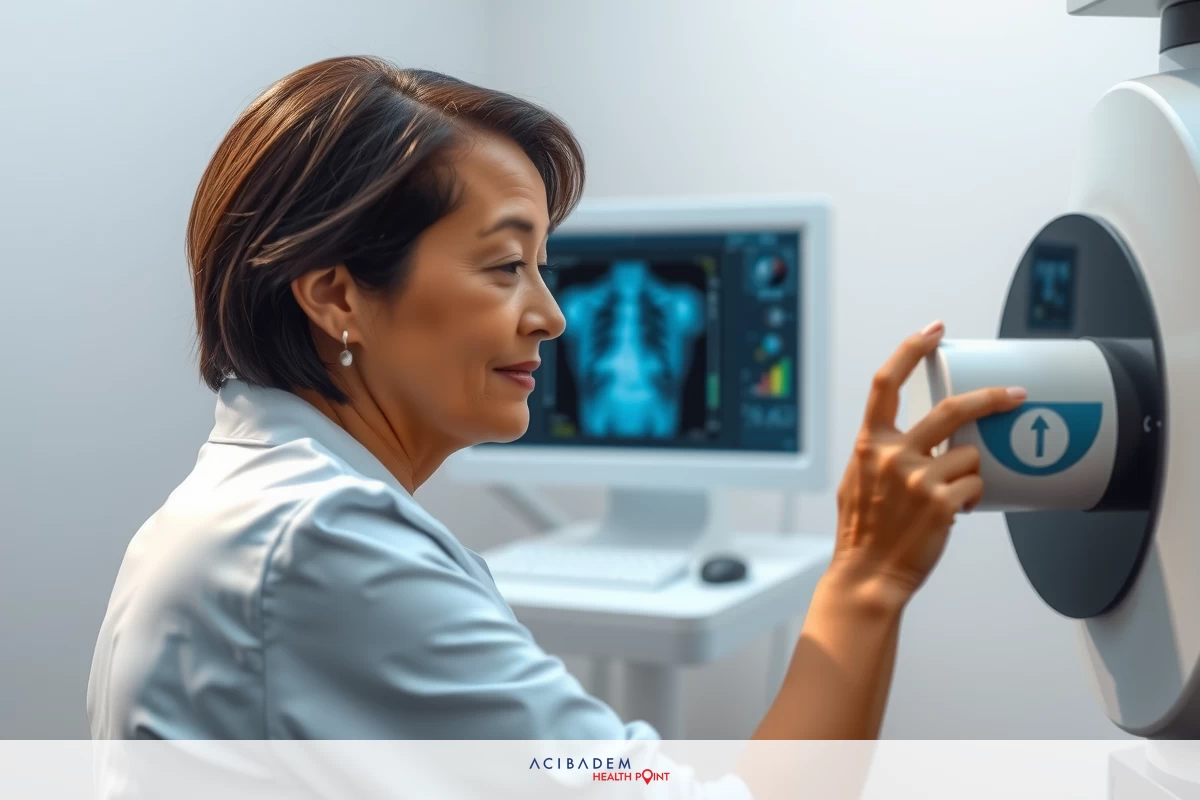
Imaging tests are essential for assessing the spine. MRI provides detailed images of soft tissues such as discs and nerves, while CT scans are useful for viewing the surrounding bones. These tests help identify conditions like bulging discs. Causes and Effective Treatments for a Bulging Spine
Electromyography (EMG)
Electromyography assesses nerve function by measuring muscle responses to nerve signals. It determines if a bulging disc is impacting nerves and muscles, aiding doctors in planning effective treatment.
Doctors utilize physical exams, MRI, CT scans, and EMG to thoroughly assess the issue, enabling them to develop an effective treatment plan for the patient.
Non-Surgical Options for Managing a Bulging Spine
Non-surgical options can effectively manage a bulging spine, improving symptoms and overall spine health for many individuals.
Physiotherapy
Physical therapy plays a vital role in spine health by using targeted exercises to strengthen the spine and improve mobility. Therapists also instruct on proper movement techniques to prevent future issues.
Medications
Medications such as NSAIDs reduce inflammation and alleviate pain caused by a bulging disc, aiding the healing process.
Chiropractic Treatment
Chiropractic care involves spinal adjustments to realign the spine, enhance mobility, and reduce nerve pressure. This method supports the body’s natural healing process without surgery.
Indications for Surgery
Determining whether surgery is necessary for a bulging spine depends on several factors. Surgery may be indicated if pain persists, nerve issues arise, or daily life is significantly affected despite other treatments.
For severe symptoms, disc surgery may be recommended to relieve nerve pressure, reduce pain, and improve mobility. Emerging minimally invasive techniques show promise, offering shorter recovery times and fewer complications.


