





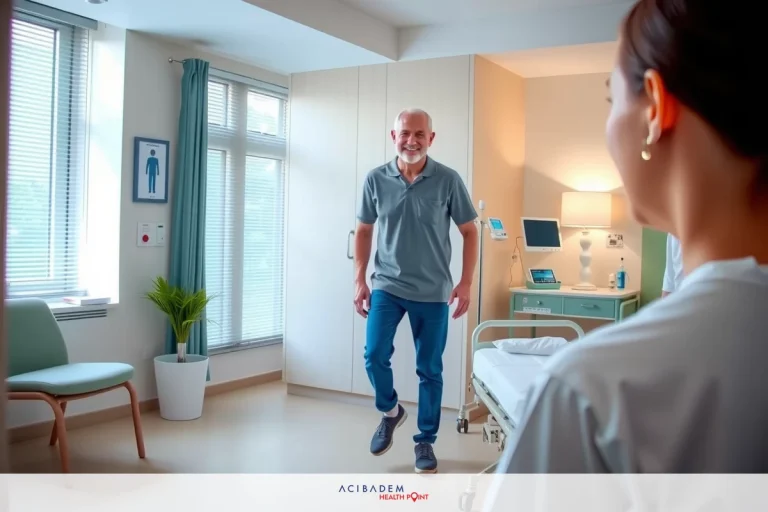
The cancer treatment stages support
The cancer treatment stages support Cancer treatment is a complex journey that involves multiple stages, each essential to achieving the best possible outcome for the patient. It begins with diagnosis, where medical professionals identify the presence and extent of cancer through various tests such as biopsies, imaging scans, and blood work. Accurate staging is fundamental, as it guides the overall treatment plan and helps predict prognosis.
Once diagnosed, the treatment planning phase commences. This stage involves a multidisciplinary team of oncologists, surgeons, radiologists, and other specialists collaborating to tailor a personalized approach. Factors considered include the type of cancer, its stage and location, the patient’s overall health, and personal preferences. The goal is to develop a comprehensive plan that may include surgery, chemotherapy, radiation therapy, immunotherapy, targeted therapy, or a combination thereof.
The active treatment phase is where the actual interventions take place. Surgery might be performed to remove tumors, especially if they are localized. Chemotherapy involves the use of drugs to kill or inhibit cancer cells and can be administered orally or intravenously. Radiation therapy uses high-energy beams to target malignant cells precisely. Throughout this stage, monitoring is crucial to assess how well the treatment is working. This may involve follow-up scans, blood tests, or physical examinations to evaluate tumor response and detect any side effects.
Supportive care is an integral component during active treatment. It aims to manage symptoms and minimize side effects such as pain, nausea, fatigue, and immune suppression. Palliative treatments might also be incorporated to improve quality of life, especially in advanced stages. Psychological support is equally important, as emotional resilience plays a significant role in a patient’s overall well-being.
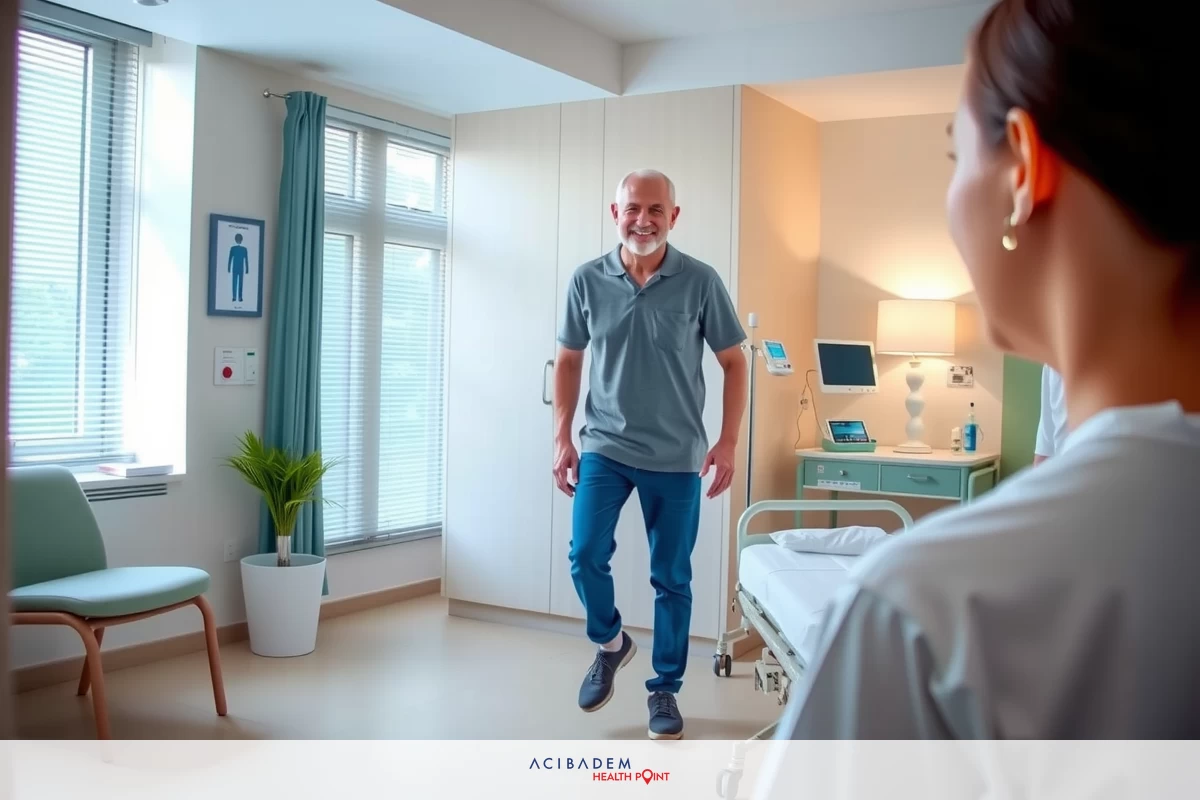
Following active treatment, the recovery and surveillance stage begins. Even after the primary therapies are completed, regular follow-up appointments are necessary to monitor for any signs of recurrence. This often involves periodic imaging, lab tests, and physical exams. The goal is early detection of any new or returning cancer, which can often be managed more effectively if caught promptly.
In some cases, additional treatments such as immunotherapy or targeted therapy are administered during remission to prevent recurrence. Clinical trials may also be recommended, offering access to new treatments and contributing to advances in cancer care. Throughout this entire process, supportive care and psychosocial support remain vital to help patients cope physically, emotionally, and psychologically.
The cancer treatment journey is not linear but rather a dynamic process that adapts to the patient’s response and evolving needs. The stages of support—diagnosis, treatment planning, active intervention, recovery, and surveillance—are interconnected. Each phase builds on the previous, emphasizing the importance of comprehensive care that addresses both medical and emotional aspects of cancer.
Ultimately, advances in cancer treatment and supportive care continue to improve survival rates and quality of life for patients worldwide. A well-coordinated support system ensures patients are not alone in their fight against cancer but are backed by a team dedicated to their recovery and well-being.


