






Abdominal Ectopic Pregnancy Risks and Info
Abdominal Ectopic Pregnancy Risks and Info Abdominal ectopic pregnancy is a rare yet serious form of ectopic pregnancy where the fertilized egg implants directly within the abdominal cavity rather than in the uterus, fallopian tubes, or ovaries. While ectopic pregnancies are already considered medical emergencies, abdominal ectopic pregnancies pose even greater risks due to their atypical location and potential complications. Understanding this condition is vital for early diagnosis and management to prevent life-threatening outcomes.
Abdominal Ectopic Pregnancy Risks and Info Typically, pregnancy occurs in the uterus, providing the developing fetus with a safe and nourishing environment. However, when implantation happens elsewhere, such as in the abdominal cavity, it can lead to severe health issues. Abdominal ectopic pregnancies are exceedingly rare, accounting for less than 1% of all ectopic pregnancies, but their severity makes awareness crucial. These pregnancies often result from abnormal fertilization, previous pelvic infections, or damage to the fallopian tubes that prevent proper embryo transport to the uterus.
Abdominal Ectopic Pregnancy Risks and Info One of the primary risks associated with abdominal ectopic pregnancy is the potential for significant internal bleeding. Unlike uterine pregnancies, where the uterine wall can contain the growing embryo, the abdominal cavity lacks such a protective layer. As the embryo develops, it can cause rupture of blood vessels or organs, leading to rapid blood loss. Symptoms often include severe abdominal pain, vaginal bleeding, dizziness, and signs of shock, which require immediate medical attention.
Abdominal Ectopic Pregnancy Risks and Info Diagnosing abdominal ectopic pregnancy can be challenging. Ultrasound imaging is the primary diagnostic tool, but its effectiveness depends on the pregnancy’s location and the clinician’s experience. Sometimes, additional imaging
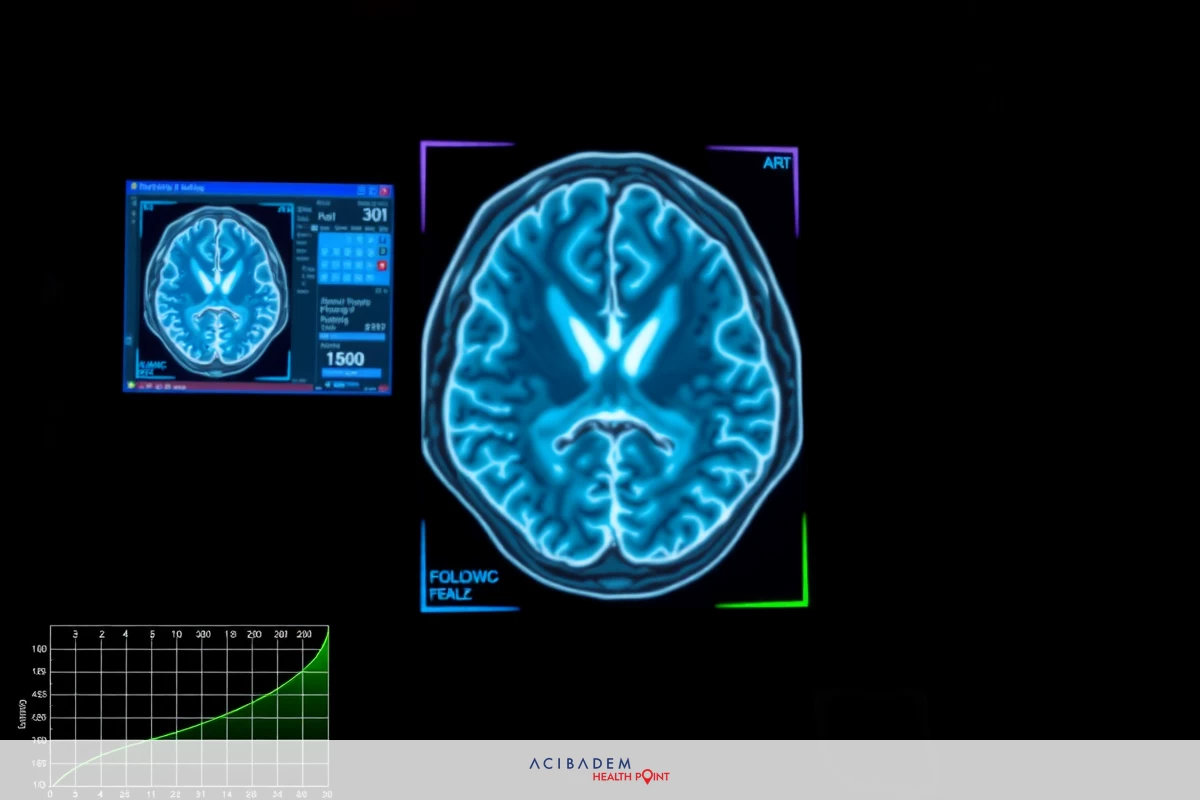
techniques like MRI or diagnostic laparoscopy are necessary to confirm the diagnosis. Early detection is crucial because the risk of rupture increases as the pregnancy progresses, making timely intervention essential.
Management of abdominal ectopic pregnancy typically involves surgical removal of the pregnancy. The surgical approach depends on the pregnancy’s location and the extent of damage to surrounding organs. Surgeons may opt for laparotomy (open surgery) or laparoscopy (minimally invasive surgery) to carefully extract the embryo and control bleeding. In some cases, if the pregnancy has caused significant damage or involves vital organs, more extensive procedures may be required. Medical management with medications like methotrexate is generally less effective in abdominal ectopic pregnancies due to the risk of rupture and bleeding.
Prevention of such pregnancies involves addressing risk factors like tubal damage from infections or previous surgeries and maintaining regular prenatal care. Women with a history of ectopic pregnancy or pelvic infections should be vigilant about early pregnancy symptoms and seek prompt medical evaluation. Abdominal Ectopic Pregnancy Risks and Info
Abdominal Ectopic Pregnancy Risks and Info In conclusion, abdominal ectopic pregnancy is a life-threatening condition that demands swift diagnosis and intervention. Although rare, understanding its risks and signs can facilitate early treatment and improve outcomes. Healthcare providers need to maintain a high index of suspicion when evaluating women with atypical abdominal pain and pregnancy symptoms, ensuring prompt and effective care.

