





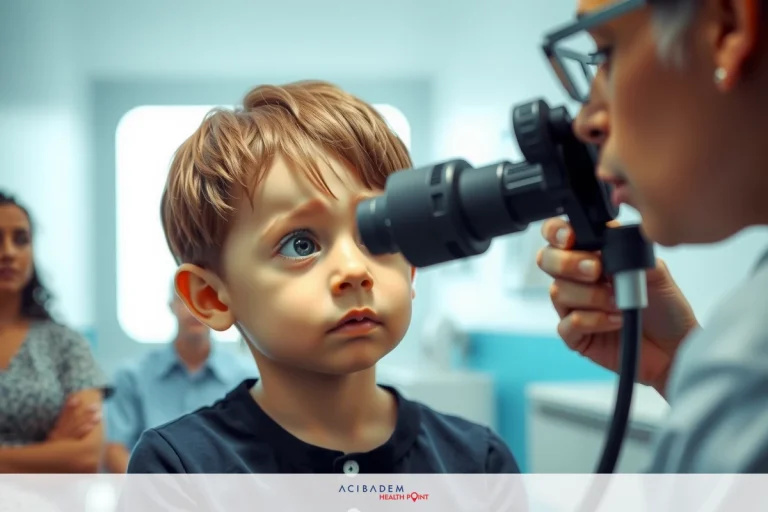
Sensitivity to Light: Key Warning Signs to Note
Sensitivity to light, or photophobia, can really affect how we live our daily lives. It’s important to know the warning signs to keep our eyes healthy. If you find yourself uncomfortable in bright places, it might be a sign of a bigger issue.
Spotting these signs early can help you take care of your eyes. This way, you can avoid any serious problems with your vision. It’s all about being aware and taking action to protect your eyes.
Understanding Sensitivity to Light
Sensitivity to light, also known as photophobia, makes people uncomfortable or in pain when they’re in bright light. It can make everyday tasks like reading or going outside hard. People with eye sensitivity might stay away from places that are too bright to feel better.
What is Sensitivity to Light?
Photophobia means people are more sensitive to light. They might get headaches or feel sick when they’re in bright places. How much light bothers someone can vary a lot. Some people might just squint, while others feel really bad.
Common Causes of Light Sensitivity
Many things can make people more sensitive to light. Knowing what causes it helps find ways to deal with it. Here are some common reasons:
- Migraine headaches: People with migraines often can’t handle light when they’re having an attack.
- Eye conditions: Eye problems like conjunctivitis or uveitis can make eyes more sensitive.
- Medications: Some medicines can make people more sensitive to light as a side effect.
- Neurological conditions: Brain and nervous system issues, like meningitis or certain encephalitis, can also cause light sensitivity.
Knowing why someone is sensitive to light helps them deal with it better and find ways to feel better.
Sensitivity to Light – Warning Signs
Knowing the signs of light sensitivity can help catch problems early. People with light sensitivity might show different warning signs. Spotting these signs can help those affected get the help they need and improve their life.
Key Symptoms to Watch For
The signs of photophobia can vary a lot from person to person. Common symptoms include:
- Squinting or trouble keeping eyes open in bright conditions
- Tearing or eye discomfort when exposed to light
- Eye pain that gets worse in brightly lit places
- Frequent headaches or migraines caused by light
- A constant need to avoid light altogether
These symptoms can range from mild to severe, affecting daily life. Knowing these signs can help get medical help sooner.
When to Seek Medical Attention
If you’re really uncomfortable in light, see a doctor. Key s
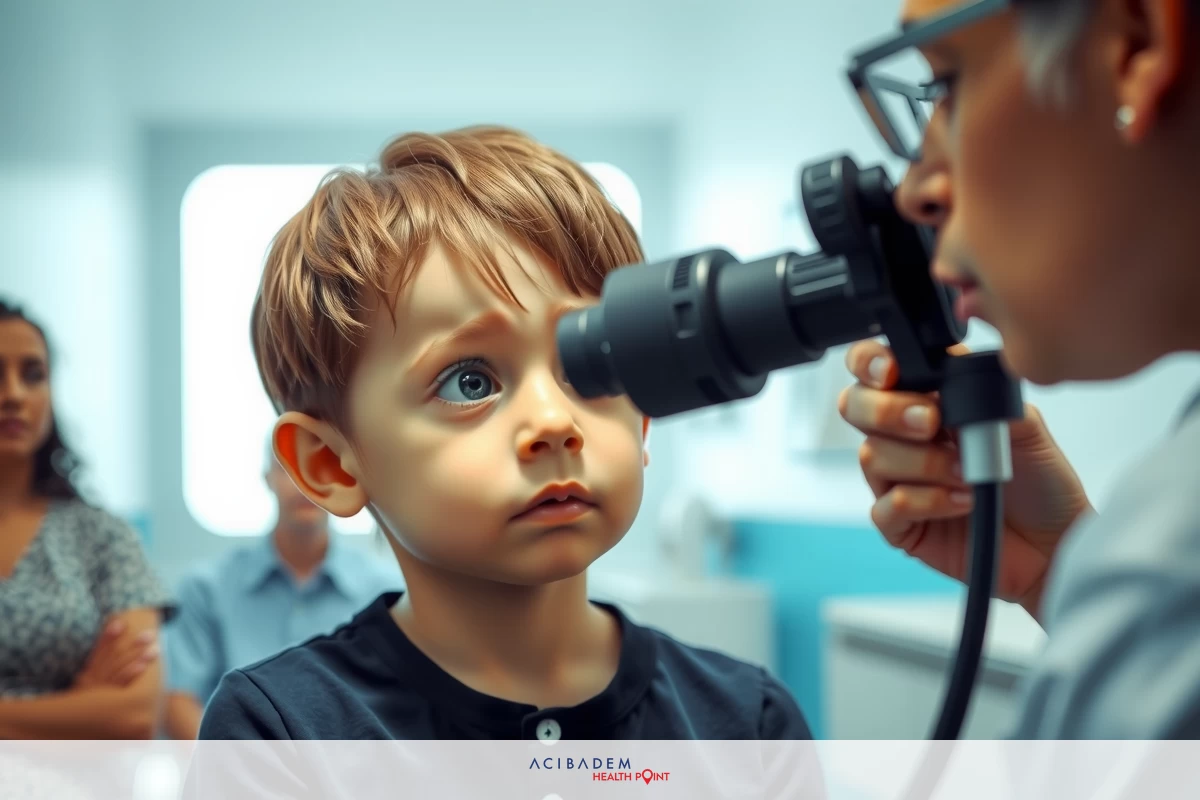
igns that mean you should see a doctor include:
- Light sensitivity symptoms that don’t get better
- Headaches that make it hard to do daily tasks
- Changes in vision or signs of eye injury
Getting help early can bring relief and fix any underlying problems. Taking action can help manage symptoms and improve your overall health.
Impact of Light Sensitivity on Daily Life
Light sensitivity affects many people’s daily lives. It causes problems in both personal and work settings. Those with photophobia often face discomfort when driving or working in bright offices. This discomfort can also impact their mood and social life.
Challenges Faced by Individuals with Sensitivity
People with light sensitivity face many challenges every day. Some common issues include:
- Bright lights indoors and outdoors causing discomfort.
- Struggles with long screen times at work or play.
- Difficulty at social events in bright places.
- Avoiding public transport because of harsh lighting.
Strategies for Coping with Light Sensitivity
Managing light sensitivity requires some strategies. Here are a few helpful ones:
- Wearing special glasses to block harsh light.
- Using screen filters or settings to reduce glare.
- Creating a workspace with softer lighting.
- Planning social events in places with controlled lighting.
By using these strategies, people can better handle the effects of photophobia. This improves their quality of life and helps them cope with their sensitivity.
| Challenge | Strategy |
|---|---|
| Bright Lights in Public Spaces | Wear sunglasses or tinted glasses outdoors. |
| Screen Glare | Use glare-reducing screens or protective films. |
| Social Isolation | Choose venues with adjustable lighting or invite friends to darker spaces. |
| Workplace Discomfort | Request desk lamps with soft, warm light options. |
Preventive Measures and Treatment Options
Dealing with light sensitivity requires a mix of prevention and treatment. Regular eye exams are key. An eye doctor can spot issues that make sensitivity worse. This early action helps manage symptoms better.
There are also treatments for light sensitivity. Medicines can help with migraines or eye inflammation. Wearing tinted glasses or polarized sunglasses is another good option.
Changing your lifestyle is also important. Lowering screen brightness and wearing hats outside helps. Managing home lighting also reduces discomfort. Learning about eye care helps people take these steps. This way, they can live with less light sensitivity.

