





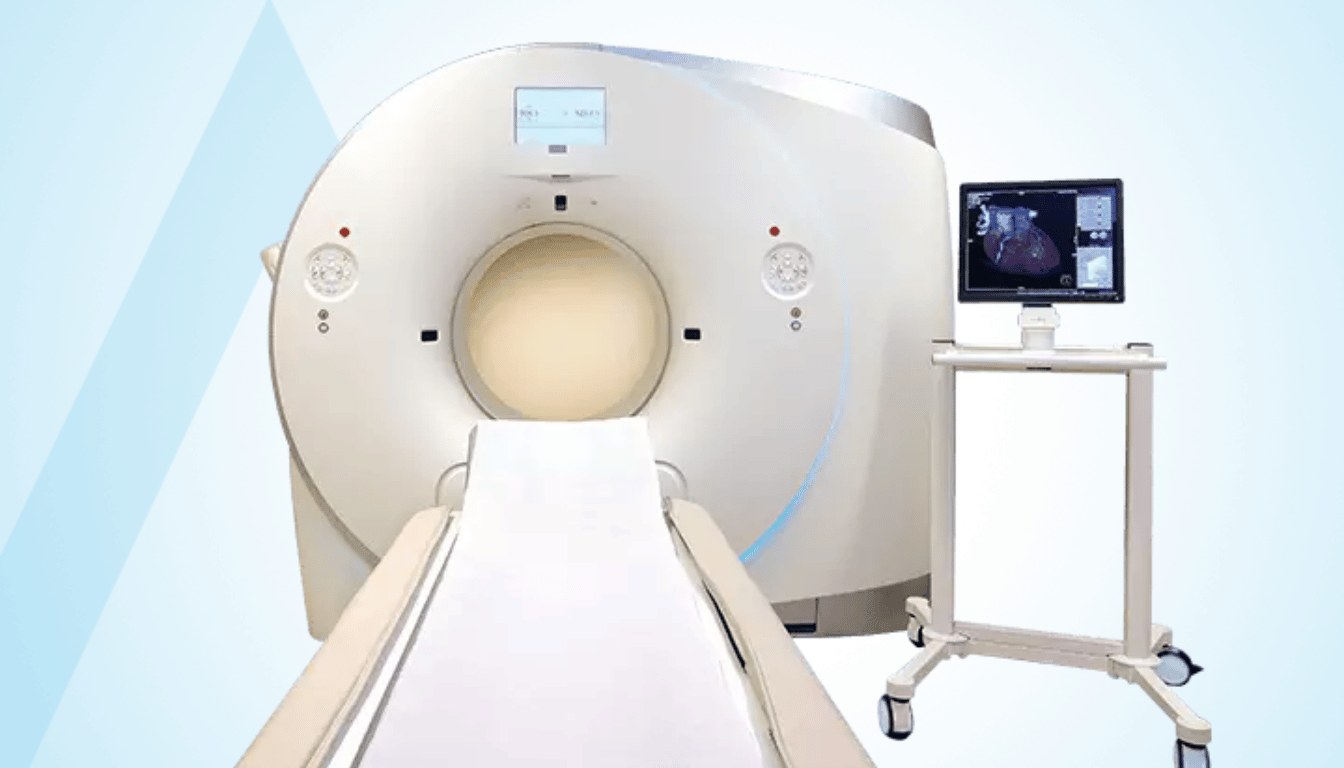
ACIBADEM Force CT
The ACIBADEM Force CT is a top-notch medical imaging tool. It gives doctors a precise way to diagnose patients. This system brings patient care to a new level with its advanced features.
Accurate imaging is key in today’s healthcare. The ACIBADEM Force CT provides top-notch images. This helps doctors make sure diagnoses. It’s fast and precise, making it a big help in many medical areas.
Let’s dive into what makes the ACIBADEM Force CT special. It has advanced tech and many uses. This system is changing medical imaging. Come along as we explore its features and benefits.
Understanding ACIBADEM Force CT Technology
The ACIBADEM Force CT scanner is a big step forward in medical imaging. It combines top-notch imaging with easy-to-use features. This makes it a leader in medical diagnostics.
Core Components and System Architecture
The CT scanner has a strong X-ray tube and detector array at its core. They work together to take detailed images of the body. The system’s design includes a fast rotating gantry. This helps get images quickly and reduces blurry effects.
Technical Specifications and Capabilities
This CT scanner has impressive features:
- Ultra-high resolution imaging up to 0.2mm
- Scan times as quick as 0.25 seconds per rotation
- Dual-energy scanning for enhanced tissue characterization
- Large bore size for improved patient comfort
These specs allow for clear views of complex body parts. This is key for making accurate diagnoses.
Integration with Modern Healthcare Systems
The ACIBADEM Force CT works well with other healthcare tech. It supports DICOM standards for sharing images and has advanced networking. This makes it easier for doctors to work together, improving patient care.
Revolutionary Features of Medical Imaging Excellence
Advanced imaging technologies have changed medical diagnostics. The latest CT systems offer new features that improve imaging quality and speed. These advancements help doctors make more accurate diagnoses and care for patients better.
High-resolution imaging is a key part of these improvements. Modern CT scanners take detailed images. This helps doctors find small problems early and diagnose them accurately in many fields.
Rapid scanning is another big step forward. It means patients spend less time in the scanner and doctors get results faster. This is very important in emergencies where time is critical.
Advanced image reconstruction algorithms are a major breakthrough in CT technology. These smart programs make clear images from raw data. This leads to more accurate diagnoses and better treatment plans.
| Feature | Benefit | Impact on Patient Care |
|---|---|---|
| High-resolution imaging | Enhanced detail visibility | Improved early detection rates |
| Rapid scanning | Reduced examination time | Increased patient comfort |
| Advanced reconstruction | Clearer, more accurate images | More precise diagnoses |
These features together bring excellence in medical imaging. They give healthcare providers the tools for accurate diagnoses and top patient care. As technology keeps improving, we’ll see even more amazing advancements in medical imaging.
Clinical Applications and Diagnostic Capabilities
The ACIBADEM Force CT is a top choice in diagnostic radiology. It shines in many medical areas, giving detailed images for precise diagnoses and treatment plans.
Cardiovascular Imaging
In heart care, the Force CT takes clear pictures of the heart and blood vessels. It helps doctors find blockages and check heart function. This tech is key for spotting heart problems early during health checks.
Neurological Assessments
For brain and nervous system scans, the Force CT is unmatched. It quickly spots strokes, tumors, and other brain issues. Fast imaging is vital for quick treatment in emergencies.
Oncology Screening
The Force CT is essential in finding and tracking cancer. It does full body scans to spot tumors. This helps doctors plan better treatments and see if they’re working.
| Application | Key Benefits | Impact on Patient Care |
|---|---|---|
| Cardiovascular | Detailed heart and vessel imaging | Early detection of heart disease |
| Neurological | Fast, clear brain scans | Quick diagnosis of brain conditions |
| Oncology | Whole-body tumor detection | Improved cancer treatment planning |
Advanced Image Processing and Resolution
The latest CT scanner technology has taken advanced imaging to new levels. It uses top-notch algorithms and techniques to create very clear and detailed images. This improvement in image quality greatly boosts diagnostic accuracy. It also helps spot small issues that might be missed.
High-resolution CT scans bring many benefits:
- Enhanced visualization of small structures
- Improved detection of early-stage diseases
- More precise measurement of lesions and tumors
- Better differentiation between normal and abnormal tissue
Modern CT scanners employ advanced imaging techniques:
| Technique | Description | Benefits |
|---|---|---|
| Iterative Reconstruction | Reduces image noise while preserving detail | Lower radiation dose, improved image quality |
| Dual-Energy Imaging | Uses two different energy levels to create images | Better tissue characterization, reduced artifacts |
| Spectral Imaging | Analyzes how different materials absorb X-rays | Enhanced material differentiation, improved contrast |
These advanced imaging technologies in CT scanners help doctors make more accurate diagnoses. They can then create targeted treatment plans. As technology keeps advancing, we can look forward to even more impressive improvements in image processing and resolution.
Patient Safety and Radiation Dose Management
Computed tomography is key in today’s healthcare. Its use is growing, so is the focus on keeping patients safe and managing radiation. The newest CT systems have advanced features to protect patients and give high-quality images.
Dose Reduction Technologies
New CT scanners use smart ways to reduce dose. They use adaptive collimation to narrow the X-ray beam. Iterative reconstruction techniques also help lower radiation while keeping images clear.
Safety Protocols and Guidelines
CT procedures follow strict safety rules. Technologists aim to use as little radiation as possible. They also check equipment and train staff to follow safety standards.
Patient Protection Measures
CT systems now offer personalized protection. They adjust radiation levels based on patient size. They also use shielding for sensitive organs to reduce exposure during scans.
| Protection Measure | Benefit |
|---|---|
| Adaptive Collimation | Reduces unnecessary radiation outside scan area |
| Iterative Reconstruction | Lowers dose while maintaining image quality |
| Organ Shielding | Protects sensitive tissues from radiation |
| Patient-specific Protocols | Optimizes dose based on individual factors |
These advancements in computed tomography show a big commitment to patient safety. Modern CT systems balance medical needs with radiation management. They provide important medical insights while keeping patients safe.
Speed and Efficiency in Diagnostic Procedures
The ACIBADEM Force CT is a game-changer in diagnostic radiology. It cuts scan times, making it possible to see more patients without losing image quality. This means clearer images for doctors to make accurate diagnoses.
Patients get through exams faster, which is great for those who are anxious or have trouble moving. They spend less time in uncomfortable positions. Plus, the quick scans mean less radiation, making it safer for them.
For radiology teams, the ACIBADEM Force CT makes things run smoother. They can see more patients in a day, cutting down wait times. This also means doctors can share results quicker, speeding up the whole process.
- Reduced scan times
- Improved image clarity
- Enhanced patient comfort
- Increased departmental efficiency
The ACIBADEM Force CT is a big step forward in diagnostic radiology. It helps doctors give quick, accurate diagnoses. This leads to better care and more efficient healthcare systems.
Role in Preventive Healthcare and Screening
The ACIBADEM Force CT is key in preventive medicine and health screening. It helps doctors find diseases early, even before symptoms show. Full body scans give detailed images for complete health checks.
Early Disease Detection
The Force CT’s high-resolution imaging is great at finding small issues. It’s essential for catching diseases like cancer, heart problems, and lung issues early. Early detection through scans can lead to more effective treatments and better results.
Health Assessment Programs
Healthcare providers use the Force CT in their preventive health screening programs. These programs give patients a detailed check-up. This includes:
- Cardiovascular health evaluation
- Lung cancer screening
- Bone density measurements
- Abdominal and pelvic examinations
These thorough assessments help find health risks before they become big problems.
Regular Monitoring Protocols
For those at high risk, the Force CT makes regular, non-invasive checks possible. This is great for people with a family history of diseases or other risk factors. Doctors can create personalized care plans by tracking changes over time.
The use of Force CT technology in preventive medicine is a big step forward. It gives patients and doctors valuable information for staying healthy in the long run.
Image Quality and Accuracy Improvements
The ACIBADEM Force CT is a big step up in medical imaging. It gives clearer and more detailed images than old CT scanners. This means doctors can find small problems that were hard to see before.
It uses new imaging methods for sharper contrast and higher resolution. This means doctors can make more accurate diagnoses and plan better treatments. Patients get health issues spotted earlier and get more precise care.
Key improvements in image quality include:
- Enhanced spatial resolution for finer detail
- Better contrast differentiation between tissues
- Reduced image noise for clearer scans
- Improved visualization of small structures
These new tech advancements lead to more confident diagnoses. Doctors can now spot and assess conditions more accurately. This might mean fewer extra tests or invasive procedures.
| Feature | Benefit |
|---|---|
| Higher resolution | Clearer visualization of small structures |
| Improved contrast | Better differentiation between tissues |
| Reduced noise | Increased clarity in image details |
| Faster scanning | Less motion artifact for sharper images |
The ACIBADEM Force CT’s advanced imaging is a big leap in diagnosis and patient care. It gives clearer, more detailed scans. This helps doctors make better decisions and improve treatment outcomes.
Integration with Artificial Intelligence
The mix of artificial intelligence with diagnostic radiology is a big step forward in healthcare. AI tools make CT imaging systems better, leading to more precise and efficient medical diagnoses.
AI-Assisted Diagnosis
AI algorithms quickly and accurately analyze CT scans. They can find small issues that might be missed by humans. This boosts the accuracy of diagnoses.
AI also helps radiologists make quicker, smarter choices. It goes through lots of imaging data fast.
Machine Learning Applications
Machine learning models get better with time by learning from new data. In diagnostic radiology, they are great at:
- Automated lesion detection
- Image segmentation for organ analysis
- Predictive analytics for disease progression
AI in healthcare technology speeds up work and improves patient care. As AI gets better, it will change how we diagnose diseases. This will make advanced medical imaging more available and effective for everyone.
Patient Experience and Comfort Features
Modern CT scanners focus on making patients comfortable while getting precise scans. They have wider bores to help patients feel less trapped. The scanners also have soft lighting to make the space feel calm and relaxing.
Being scanned quickly is a big plus for patients. Fast CT scanners mean less time in the machine. This makes patients feel less anxious and helps doctors work more efficiently.
| Comfort Feature | Patient Benefit | Clinical Advantage |
|---|---|---|
| Wider Bore | Reduced Claustrophobia | Improved Patient Compliance |
| Ambient Lighting | Calming Environment | Decreased Motion Artifacts |
| Faster Scan Times | Less Time in Scanner | Higher Patient Throughput |
These features make patients more comfortable and willing to get scans. When patients are relaxed, they move less, giving doctors clearer images. This leads to better care and happier patients.
Healthcare Provider Benefits and Workflow Optimization
The ACIBADEM Force CT offers big benefits to healthcare providers. It changes how medical imaging works, making things more efficient and improving patient care.
Streamlined Operations
Medical facilities see a big improvement in how they work with the ACIBADEM Force CT. It scans fast, cutting down on wait times and letting doctors see more patients. This means they can do more without losing quality, making the most of their time and resources.
Enhanced Diagnostic Accuracy
The ACIBADEM Force CT makes diagnosing easier and more accurate. It gives clear, detailed scans that help doctors make better diagnoses. This often means they don’t need to do extra tests, saving time and money and reducing stress for patients.
It’s great for spotting diseases early and planning treatments. For example, in heart imaging, it shows heart conditions clearly. This helps doctors find the right treatment faster.
The ACIBADEM Force CT is a big change for healthcare. It makes things run smoother and helps patients get better faster. It’s also good for the bottom line of healthcare providers.
Maintenance and Quality Assurance
Keeping CT scanners in good shape is key. Regular maintenance and quality checks are vital. They make sure the equipment works well and keeps patients safe.
CT scanner upkeep includes:
- Daily warm-up procedures and system checks
- Weekly image quality tests
- Monthly mechanical inspections
- Quarterly radiation output measurements
- Annual complete performance checks
Quality checks focus on making sure images are right and safe for patients. They use phantom scans to test image quality. Technicians look for any problems with the images.
Regular care makes CT scanners last longer and avoids sudden breakdowns. This saves money for hospitals and helps patients get quick, accurate diagnoses. By sticking to maintenance and quality rules, hospitals can get the most from their CT scanners and provide the best care.
Training Requirements for Healthcare Professionals
The field of diagnostic radiology is always changing with new healthcare technology. People working with advanced CT systems need to be well-trained. This ensures the best care for patients and the best use of the systems.
Technical Training Programs
Healthcare workers must go through detailed technical training. This includes learning how to use the systems, how to take images, and how to understand the data. They also practice with CT simulators to get better at real situations.
Certification Requirements
Radiologists and technicians need special certifications to work with advanced CT systems. These certifications show they know a lot about diagnostic radiology and meet the standards. Getting certified usually involves passing written and practical tests.
Ongoing Education
Keeping up with new technology is key in healthcare. Workers go to workshops, webinars, and conferences to learn about the latest in CT imaging. Many places also offer regular training to keep skills sharp.
| Training Component | Duration | Frequency |
|---|---|---|
| Initial Technical Training | 2-4 weeks | Once |
| Certification Process | 3-6 months | Every 2-3 years |
| Ongoing Education | 20-40 hours annually | Continuous |
By investing in good training, healthcare providers make sure their team can use advanced CT systems well. This improves how accurately they can diagnose and treat patients.
Cost-Effectiveness and ROI Analysis
Advanced computed tomography technology is a smart investment for healthcare providers. The upfront costs of high-end CT systems are balanced by long-term benefits. These systems help doctors find health problems sooner and treat them better.
Healthcare technology, like advanced CT scanners, makes patient care more efficient. This means patients wait less and are happier. It also saves money for healthcare facilities, as they can see more patients without lowering care quality. Plus, better images often mean fewer extra tests, saving even more money.
| Factor | Impact on ROI |
|---|---|
| Diagnostic Accuracy | Reduced need for repeat scans |
| Patient Throughput | Increased revenue per day |
| Treatment Effectiveness | Lower long-term patient care costs |
The benefits of advanced computed tomography go beyond saving money. They also lead to better patient care, a stronger reputation, and attracting top doctors. These factors make investing in the latest healthcare technology a wise choice.
Future Developments and Technology Roadmap
The field of advanced imaging is on the verge of big breakthroughs. Medical imaging technology is evolving fast. We can look forward to groundbreaking changes in CT systems.
These innovations will change how we diagnose diseases. They will also improve patient care.
Upcoming Features
Future CT systems will scan faster, cutting down exam times. This will make patients more comfortable. Radiation dose reduction techniques will also get better, making scans safer.
AI will play a bigger role in analyzing images. It might catch things that human eyes miss.
Industry Trends
The medical imaging world is moving towards personalized care. Portable CT scanners are becoming more common. They bring advanced imaging to remote areas.
Quantum computing could change image processing, giving us more detail. Virtual and augmented reality might change how doctors see scan results. They could use 3D visualizations.
These CT technology advancements will lead to earlier disease detection. They will also make diagnoses more accurate. As the field grows, we can expect better patient outcomes and a new era in preventive healthcare.
Environmental Impact and Sustainability
The latest in CT scanning technology focuses on being green. It uses less energy, which helps reduce carbon emissions. This makes healthcare facilities more eco-friendly without sacrificing quality.
High-precision imaging in CT scans helps with preventive medicine. It means fewer repeat scans and more precise treatments. This leads to less waste and a smaller environmental footprint. Patients get less radiation, and hospitals save on energy costs.
CT technology is key to sustainable healthcare. It helps catch health issues early, leading to simpler treatments. This approach reduces the load on medical resources. It’s good for patients and the planet.
As CT technology advances, so does its eco-friendly focus. Modern scanners are built with the environment in mind. They aim to provide excellent medical care while protecting our planet. This ensures medical imaging keeps moving forward, responsibly.
FAQ
What is the ACIBADEM Force CT?
The ACIBADEM Force CT is a top-notch medical imaging tool. It uses advanced computed tomography for precise diagnostics. It offers clear images, quick scans, and advanced algorithms for the best results.
How does the ACIBADEM Force CT improve patient safety?
The ACIBADEM Force CT uses technologies to lower radiation exposure. It also follows strict safety rules and protects patients during scans.
What are the clinical applications of the ACIBADEM Force CT?
The ACIBADEM Force CT is great for many uses. It’s good for heart, brain, and cancer imaging. It helps spot and track cancers with detailed body scans.
How does the ACIBADEM Force CT contribute to preventive healthcare?
It helps find diseases early and supports health checks. Its full-body scans are key in preventing health issues.
Is artificial intelligence integrated into the ACIBADEM Force CT system?
Yes, it uses AI to improve diagnosis. AI helps analyze images, find lesions, and predict outcomes. This makes diagnoses more accurate and efficient.
How does the ACIBADEM Force CT enhance patient comfort?
It’s designed for comfort. It has a wider bore, ambient lighting, and quick scans. These features make patients more comfortable and help get better images.
What are the benefits for healthcare providers using the ACIBADEM Force CT?
Providers see faster operations, better diagnoses, and smoother workflows. It cuts down waiting times and boosts patient flow. This leads to more confident decisions and fewer extra tests.
What kind of training is required to operate the ACIBADEM Force CT?
It needs thorough training for staff. This includes both theory and practice. Radiologists and technicians might need specific certifications. Ongoing education is key to keep up with new tech.
How cost-effective is the ACIBADEM Force CT system?
It’s a big investment upfront. But, it offers long-term savings. It improves accuracy, boosts patient flow, and cuts down on extra tests. These benefits make it cost-effective for providers.
What future developments are expected for the ACIBADEM Force CT technology?
Future updates might include faster scans, less radiation, and more AI. It will likely keep up with medical imaging trends. This could lead to even better care and diagnostics.