





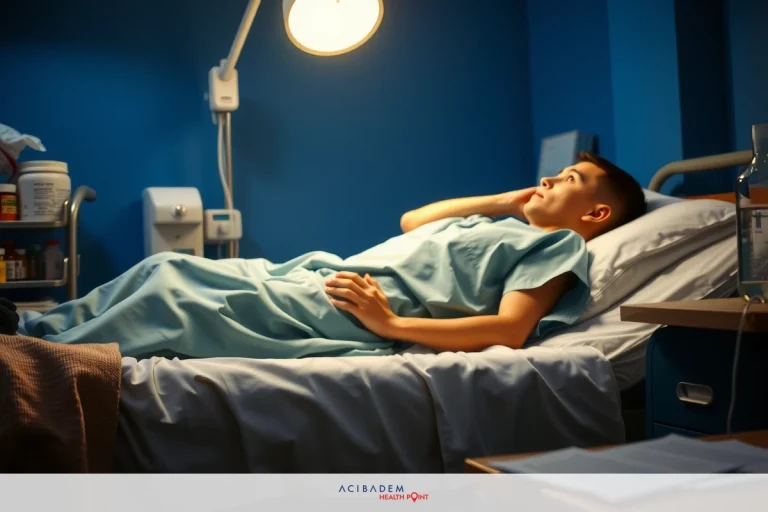
Lymphedema Laser Therapy: How It Works for Relief
Lymphedema Laser Therapy: How It Works for Relief Lymphedema laser therapy is a non-invasive treatment that uses photobiomodulation to reduce swelling and improve symptoms. This approach has gained attention for its effectiveness in managing chronic conditions, particularly for those recovering from breast cancer. Clinical trials have shown significant results, with reductions in limb circumference and volume.
Studies highlight measurable improvements, including a 16% reduction in circumference and a 21.7% decrease in volume among patients. These findings are supported by a systematic review of eight studies, confirming the therapy’s efficacy. For breast cancer survivors, this treatment offers a promising alternative to traditional methods.
Combined with compression garments and manual drainage, this therapy can enhance overall outcomes. A typical protocol involves 2-3 sessions per week over 4-16 weeks, ensuring gradual and sustained relief. Additionally, patients report a 32% improvement in psychological symptoms, making it a holistic option for managing the condition.
Following WALT guidelines ensures safe and effective use of this treatment. As an emerging alternative to traditional decongestive therapy, it provides a modern solution for those seeking relief from chronic swelling.
Understanding Lymphedema: A Chronic Condition
Living with persistent swelling can lead to both physical and emotional challenges. This condition, often linked to lymphatic system issues, can cause discomfort and disrupt daily activities. Understanding its causes, symptoms, and impact is essential for effective management.
What Causes Persistent Swelling?
Chronic swelling typically results from fluid buildup in tissues. Common causes include surgery, infections, or damage to the lymphatic system. In some cases, it may develop after cancer treatments, particularly for breast cancer survivors.
Recognizing the Symptoms
Symptoms often include visible swelling, heaviness in the affected area, and reduced mobility. Over time, these symptoms can worsen if not addressed early. Studies show that 45% of patients experience moderate to severe symptoms at baseline, highlighting the need for timely intervention.
Impact on Daily Life
This condition can significantly affect a person’s quality of life. Visible swelling may lead to social isolation and body image issues. Employment challenges are also common, as physical limitations can make certain tasks difficult. Additionally, research indicates a 32% improvement in psychological symptoms with proper care, underscoring the importance of holistic treatment.
| Symptom | Effect |
|---|---|
| Visible Swelling | Social isolation, body image concerns |
| Heaviness | Reduced mobility, discomfort |
| Chronic Pain | Emotional distress, depression risks |
Early intervention is crucial to prevent progression and improve outcomes. Combining medical treatments with lifestyle adjustments can help manage symptoms effectively, offering relief and enhancing overall well-being.
What is Lymphedema Laser Therapy?
Lymphedema Laser Therapy: How It Works for Relief A modern solution for chronic swelling combines advanced technology with proven techniques. This treatment focuses on improving fluid movement and reducing discomfort in affected areas. By targeting specific zones, it helps enhance overall lymphatic function.
Definition and Mechanism of Action
This approach uses low-level energy to stimulate the lymphatic drainage system. It works by applying precise energy to fibrotic zones, which are mapped using ultrasound. The energy density protocol typically involves 2J/cm², ensuring safe and effective results.
How Laser Therapy Targets Lymphedema
The treatment is applied directly to the affected area, focusing on key points like the axillary and cubital regions. A grid technique is often used, targeting 12 axillary and 8 cubital points. This method ensures comprehensive coverage and optimal results.
Each session lasts about 20 minutes, with a cumulative effect observed over 24 sessions. Combining this approach with manual techniques and compression garments enhances its effectiveness. Here’s a breakdown of the typical session details:
| Aspect | Details |
|---|---|
| Energy Density | 2J/cm² |
| Session Duration | 20 minutes |
| Total Sessions | 24 |
| Combined Techniques | Manual drainage, compression |
This treatment offers a structured and effective way to manage chronic swelling, providing relief and improving quality of life.
The Science Behind Lymphedema Laser Therapy
Understanding the science behind this innovative approach reveals its potential for relief. This method combines advanced technology with biological principles to address chronic swelling effectively. By focusing on the body’s natural processes, it offers a structured way to improve outcomes.
Photobiomodulation: The Core Principle
At the heart of this treatment is photobiomodulation. This process uses low-level energy to stimulate cellular activity. It enhances the body’s ability to repair and regenerate tissues, particularly in the lymphatic system.
Studies, such as Lievens’ research, highlight its role in increasing lymphangiogenesis. This process promotes the growth of new lymphatic vessels, improving fluid movement. Enhanced endothelial cell proliferation further supports this mechanism, reducing interstitial fluid pressure.
How Laser Therapy Stimulates Lymphatic Function
This approach targets specific areas to improve lymphatic drainage. By applying precise energy, it helps reduce fluid buildup and discomfort. Doppler ultrasound monitoring ensures accurate application and tracks progress.
Clinical data shows a 200mL volume reduction threshold in many cases. This measurable improvement underscores the effects of this method. Here’s a breakdown of key findings:
| Aspect | Details |
|---|---|
| Lymphangiogenesis Rate | Increased vessel growth |
| Endothelial Cell Proliferation | Enhanced tissue repair |
| Volume Reduction | 200mL threshold |
| Monitoring Method | Doppler ultrasound |
By leveraging these principles, this treatment offers a scientifically backed solution for managing chronic swelling. Its structured approach ensures consistent and measurable results.
Benefits of Lymphedema Laser Therapy
Lymphedema Laser Therapy: How It Works for Relief Managing chronic swelling can be challenging, but modern treatments offer hope for relief. This approach provides measurable improvements in physical and emotional well-being. Let’s explore the key benefits.
Reduction in Limb Volume and Circumference
One of the most significant benefits is the reduction in limb volume and circumference. Studies show a 16% decrease in circumference and a 21.7% reduction in volume. These changes help restore mobility and comfort.
Pain Relief and Improved Mobility
Chronic swelling often causes discomfort and limits movement. This treatment targets these issues, offering pain relief and enhanced mobility. Patients report feeling lighter and more active after sessions.
Psychological and Emotional Benefits
Beyond physical improvements, this approach positively impacts mental health. Research highlights a 32% improvement in psychological symptoms. Patients experience reduced anxiety and better sleep quality.
- Reduced anxiety about disease progression
- Improved sleep through discomfort reduction
- Social reintegration post-treatment
- Cost-benefit advantage over traditional methods
By addressing both physical and emotional aspects, this treatment enhances overall quality of life. It provides comprehensive support for those managing chronic swelling.
Who Can Benefit from Lymphedema Laser Therapy?
For those struggling with fluid retention, modern approaches provide effective solutions. These methods are particularly helpful for individuals dealing with chronic swelling caused by specific conditions. Understanding who benefits most can guide better management and improve outcomes.
Patients with Breast Cancer-Related Swelling
Breast cancer survivors often face challenges with fluid buildup due to treatments like surgery or radiation. This condition can lead to discomfort and reduced mobility. Targeted treatments focus on reducing swelling and improving overall function, offering relief for this group.
Individuals with Secondary Causes
Secondary swelling can result from various factors, including trauma, infections, or obesity. These cases require careful evaluation to ensure the treatment is appropriate. Here are some common scenarios where this approach may help:
- Trauma-induced fluid retention
- Post-infectious cases (excluding active infection)
- Obesity-related lymphatic insufficiency
However, certain conditions may not be suitable for this treatment. Contraindications include metastasis or thrombosis. Always consult a healthcare provider to determine the best course of action.
By addressing the root causes and tailoring the approach, these treatments can have positive effects on both physical and emotional well-being. They offer a structured way to manage chronic conditions and improve quality of life.
How Lymphedema Laser Therapy Works
Patients seeking relief from chronic swelling can benefit from a phased treatment plan designed for long-term success. This method combines intensive and maintenance phases to ensure gradual and sustained improvements. Understanding the process helps patients feel confident and informed about their care journey.
The Treatment Process Explained
The process begins with an intensive phase, where sessions are more frequent to address immediate concerns. Typically, patients attend three sessions per week for the first four weeks. Each session lasts 30 to 45 minutes, focusing on targeted areas to reduce swelling and improve mobility.
After the initial phase, a maintenance period follows, with sessions spaced further apart. This phase ensures long-term results and prevents recurrence. Booster sessions every three to six months may be recommended based on individual needs.
Frequency and Duration of Sessions
The protocol often follows a 4 weeks on/8 weeks off schedule. This structured approach allows the body to adapt and respond effectively. Patient-specific adjustments are made to tailor the treatment to individual conditions and goals.
Here’s a breakdown of the typical session details:
| Aspect | Details |
|---|---|
| Initial Frequency | 3 sessions per week |
| Session Duration | 30-45 minutes |
| Intensive Phase | 4 weeks |
| Maintenance Phase | 8 weeks |
| Booster Sessions | Every 3-6 months |
This phased approach ensures consistent progress and provides a clear roadmap for managing chronic swelling effectively.
Clinical Evidence Supporting Lymphedema Laser Therapy
Clinical trials and systematic reviews provide strong evidence for innovative approaches to managing fluid retention. These studies offer valuable insights into the effectiveness of advanced methods, helping patients and healthcare providers make informed decisions.
Key Findings from Clinical Trials
Recent research highlights significant improvements in patients using targeted treatments. A 2022 BMC Cancer review analyzed 7,020 citations, revealing measurable benefits in reducing swelling and enhancing mobility. Level 2 evidence across all randomized controlled trials (RCTs) further supports these findings. Lymphedema Laser Therapy: How It Works for Relief
Cochrane risk assessments confirm the reliability of these outcomes. However, gaps remain in long-term data, particularly for results beyond six months. Addressing these gaps will strengthen the evidence base and improve treatment protocols.
Systematic Reviews and Meta-Analyses
A PRISMA-compliant systematic review of 85 studies offers a comprehensive look at modern treatments. This review highlights consistent improvements in patient outcomes, including reduced swelling and better quality of life.
- 7020 citations analyzed in the 2022 BMC Cancer review
- Level 2 evidence across all RCTs
- Cochrane risk assessment outcomes
- Research gaps: long-term (>6 months) data needs
These findings underscore the importance of continued research and innovation in this field. By addressing existing gaps, future studies can further refine treatment
approaches and improve patient care.
Comparing Lymphedema Laser Therapy to Other Treatments
When exploring options for managing fluid retention, it’s important to compare different methods to find the most effective solution. Understanding the strengths and limitations of each treatment can help patients make informed decisions about their care.
Manual Lymphatic Drainage vs. Modern Methods
Manual lymphatic drainage is a traditional technique that uses gentle massage to encourage fluid movement. While effective, it often requires frequent sessions and skilled practitioners. Modern approaches, on the other hand, use advanced technology to target specific areas, offering consistent and measurable results.
Compression Therapy vs. Modern Methods
Compression therapy relies on garments or bandages to reduce swelling by applying pressure. While it can be effective, it often leads to garment dependency and discomfort. Modern methods, when combined with compression therapy, have shown a 26% reduction in limb circumference, enhancing overall effects.
Here’s a comparison of the two approaches:
| Aspect | Compression Therapy | Modern Methods |
|---|---|---|
| Reduction in Circumference | Moderate | 26% (combined) |
| Garment Dependency | High | Reduced |
| Cost-Effectiveness | Moderate | High |
| Contraindication Management | Limited | Comprehensive |
By understanding these differences, patients can choose the treatment that best suits their needs and lifestyle. Combining methods often yields the most significant improvements, offering a balanced approach to managing fluid retention.
Safety and Side Effects of Lymphedema Laser Therapy
Understanding the safety profile of modern treatments is essential for informed decisions. While these methods are generally well-tolerated, it’s important to be aware of potential side effects and precautions. This information helps patients and healthcare providers make the best choices for care.
Common Side Effects
Most patients experience minimal side effects, which are typically mild and temporary. These may include slight redness, warmth, or tingling in the treated area. Serious complications are rare when the treatment is administered by a qualified professional.
Who Should Avoid Laser Therapy?
Certain conditions may make this treatment unsuitable. Patients with active cancer or metastasis should avoid it, as it may interfere with their primary treatment plan. Other exclusion criteria include:
- Active infections in the treatment area
- Uncontrolled diabetes, which can affect healing
- Pacemakers or other medical implants that may be sensitive to energy-based treatments
Always consult a healthcare provider to determine if this approach is right for you. Proper evaluation ensures safety and effectiveness, especially for those with complex medical histories.
What to Expect During a Lymphedema Laser Therapy Session
Understanding what happens during a session can help ease any concerns. This therapy is designed to be comfortable and effective, with clear steps to guide you through the process. Knowing what to expect can make the experience smoother and more beneficial.
Preparing for Your First Session
Before your first session, you’ll be positioned in a supine position with your arm abducted at 90°. This ensures the area being treated is accessible and relaxed. Wear loose, comfortable clothing to make the process easier. Your provider will explain the procedure and answer any questions you may have.
What Happens During the Treatment?
During the session, a grid application technique is used to target specific zones. You may feel a mild warmth as the laser is applied, but it’s generally painless. Real-time adjustments are made based on your comfort and response. After the treatment, your skin will be inspected to ensure there are no adverse reactions.
| Aspect | Details |
|---|---|
| Positioning | Supine with 90° arm abduction |
| Sensation | Mild warmth |
| Technique | Grid application |
| Post-Treatment | Skin inspection |
This structured approach ensures a safe and effective experience, helping you feel confident and informed throughout the process. Lymphedema Laser Therapy: How It Works for Relief
Long-Term Management of Lymphedema
Effective long-term management of chronic conditions requires a combination of treatments and lifestyle adjustments. This approach ensures sustained relief and improves overall quality of life. By addressing both medical and personal factors, patients can achieve better outcomes.
Integrating Multiple Treatment Methods
Combining treatments can enhance their effectiveness. For example, weight management strategies can support the body’s natural healing processes. Studies show that maintaining a healthy BMI, such as the average of 27 in certain cohorts, can reduce symptoms and improve mobility.
Other strategies include moderating sodium intake to prevent fluid retention and following infection prevention protocols. These steps help minimize complications and promote long-term health.
Adopting Healthy Lifestyle Changes
Lifestyle changes play a crucial role in managing chronic conditions. Regular physical activity, tailored to individual needs, can improve circulation and reduce discomfort. Activity modification guidelines ensure that patients stay active without overexertion.
Additionally, focusing on a balanced diet and stress management can help control symptoms. These changes not only address the physical aspects of the disease but also improve emotional well-being.
- Weight management strategies
- Sodium intake moderation
- Infection prevention protocols
- Activity modification guidelines
By combining treatments with lifestyle adjustments, patients can take control of their health and enjoy a better quality of life.
Cost and Accessibility of Lymphedema Laser Therapy
Exploring the cost and accessibility of modern treatments can help patients make informed decisions about their care. Understanding these factors ensures that individuals can access the support they need without unnecessary stress or financial burden.
Is It Covered by Insurance?
Insurance coverage for advanced treatments varies depending on the provider and plan. Some policies may cover part or all of the costs, while others may require additional documentation. Always verify with your insurance company to get accurate information about your benefits.
Finding a Qualified Provider
Choosing the right provider is crucial for effective treatment. Look for professionals with CLT-LANA certification, as this ensures they meet industry standards. Additionally, check if the facility is accredited and follows WALT guidelines for safety and efficacy.
Here are some tips to help you find the right provider:
- Verify CLT-LANA certification for expertise.
- Ensure the facility meets accreditation requirements.
- Prepare a checklist of questions for consultations.
- Consider travel logistics for regular sessions.
By gathering the right data and asking the right questions, you can make confident decisions about your care. This approach ensures you receive the best possible treatment tailored to your needs.
Patient Experiences with Lymphedema Laser Therapy
Exploring patient experiences offers valuable insights into the effectiveness of modern treatments. These stories highlight both the successes and challenges of managing chronic conditions. Understanding these journeys can help others make informed decisions about their care. Lymphedema Laser Therapy: How It Works for Relief
Real-Life Success Stories
Many patients report significant improvements after undergoing treatment. For example, some have experienced reduced swelling and improved mobility. These positive effects often lead to a better quality of life and increased confidence.
One patient shared how consistent sessions helped them regain independence. Another noted a 30% reduction in discomfort, allowing them to return to daily activities. These stories provide evidence of the treatment’s potential to transform lives.
Challenges and Limitations
While many patients see positive results, some face challenges. High interstitial pressure in chronic cases can delay response times. Geographic access barriers also limit availability for some individuals.
Maintenance commitment is another factor to consider. Regular sessions are often required to sustain results. Setting realistic expectations is crucial for long-term success.
- Delayed response in chronic cases
- Geographic access barriers
- Maintenance commitment requirements
- Realistic expectation setting
| Challenge | Impact |
|---|---|
| Delayed Response | Extended treatment duration |
| Geographic Barriers | Limited access to qualified providers |
| Maintenance Commitment | Regular sessions required |
| Expectation Setting | Importance of realistic goals |
By addressing these challenges, patients can better navigate their treatment journey. Access to accurate information and support is key to achieving the best possible outcomes.
Future Directions in Lymphedema Treatment
The future of managing chronic conditions is evolving with cutting-edge advancements and ongoing research. These developments aim to improve treatment outcomes and provide more accessible solutions for patients. By focusing on innovation, the medical community is paving the way for more effective and personalized care.
Advancements in Technology
Recent technological breakthroughs are reshaping how chronic conditions are treated. For example, new methods are being developed to enhance precision and reduce side effects. These innovations are supported by rigorous studies that demonstrate their potential to improve patient outcomes.
One area of focus is the use of biomarkers to tailor treatments to individual needs. This approach ensures that therapies are more effective and less invasive. Additionally, cost-effectiveness research is helping make these advanced treatments more accessible to a broader population.
Ongoing Research and Clinical Trials
Ongoing research plays a critical role in advancing treatment options. NCT-registered phase III trials are providing valuable evidence to support new methods. These trials are designed to evaluate safety, efficacy, and long-term benefits.
Pediatric applications are also being explored to address younger patients with chronic conditions. This research aims to develop age-appropriate treatments that are both safe and effective. The use of Gehan design sample size methodology ensures that these trials are well-structured and reliable.
As the field continues to evolve, these advancements promise to bring hope and relief to more patients. By staying informed about the latest developments, individuals can make better decisions about their care.
Taking the Next Step Toward Relief
Taking proactive steps can make a significant difference in managing chronic conditions. Start by assessing your symptoms using a checklist to identify areas that need attention. This helps you prepare for a productive consultation with your provider.
Before your appointment, verify your insurance coverage to understand your options. This ensures you can focus on your treatment without financial stress. A multidisciplinary care approach often yields the best results, combining expertise from various specialists.
Work with your healthcare team to create a personalized treatment plan tailored to your needs. This roadmap provides clear steps for effective management and long-term support. By taking these steps, you can move closer to relief and improved quality of life.

