





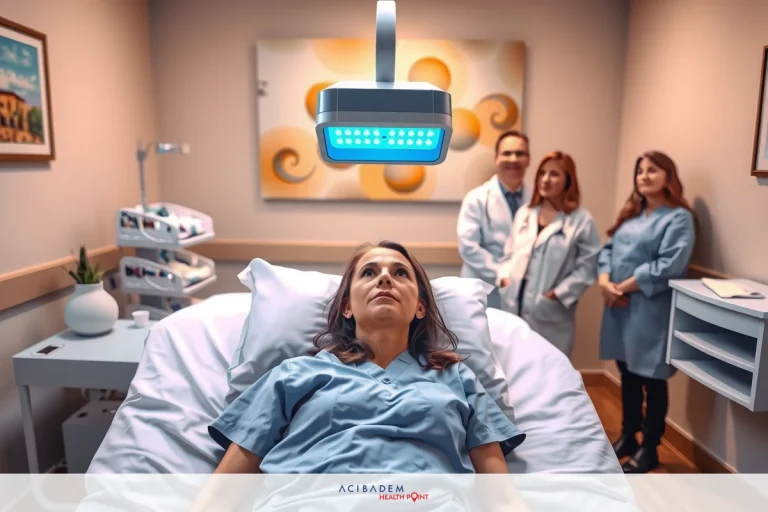
How Does Photothermal Therapy Treat Cancer?
How Does Photothermal Therapy Treat Cancer? Phototherapy is a form of treatment that uses light to heal. Doctors often use it in cancer care where they focus on destroying bad cells. They shine special lights on parts of the body to kill these harmful cells.Cancer can be hard to fight but new methods are helping patients every day. Phototherapy is one kind of treatment that doctors use more and more now. It involves using heat from light sources to attack tumors inside the body.
Patients looking for different ways to deal with cancer might consider phototherapy. With this method, doctors aim beams of light at sick areas, heating them just enough to cause damage to the tumor tissues. This way healthy parts nearby stay safe and unharmed.
Mechanism of Photothermal Therapy
Photothermal therapy uses heat to treat cancer. When doctors apply it they focus on the bad cells without hurting good ones. It works by having a special light turned into heat at the spot where the cancer is. In this treatment patients get a substance that sticks to their cancer cells first. Then, when light hits the substance, it heats up very quickly. This heat kills only the targeted cells while keeping other areas safe.
Doctors like phototherapy because it’s precise in how it targets tumors. They use tools like lasers or LEDs to send light right where needed. The body then cleans up any dead tumor cells after the treatment is over.
Heat therapy has become an important part of oncology care for many reasons. It can work well with other types of treatments too like chemo or radiation. Each session takes just a short time and patients can often go home the same day.
Benefits of Photothermal Therapy
Photothermal therapy is gaining ground in the field of oncology. One main benefit is that it’s less invasive than traditional surgery. This makes it a good choice for patients who can’t handle a more intense procedure.
Unlike some treatments photothermal doesn’t require long hospital stays. It means people can get back to their daily lives quicker after each session. Recovery times are typically short which patients appreciate greatly.
Another plus with heat therapy is its ability to be precise. It targets only cancer cells while keeping healthy tissue safe from harm. This focus helps reduce side effects compared to other forms of cancer treatment.
Photothermal therapy works well alongside other treatments like chemotherapy or radiation. In many cases using these methods together improves results for the patient. The combination approach often leads to better control over the disease and longer survival rates.
Research Findings on Photothermal Therapy
Recent research in oncology has shown positive outcomes for photothermal therapy. Studies highlight its success in reducing tumor sizes effectively. Many of these studies tracked patients over time to see long-term results.
Findings also suggest that heat therapy can be very precise. Researchers are excited because it targets just the bad cells leaving healthy ones unharmed. This precision is one reason why side effects tend to be fewer with this method.
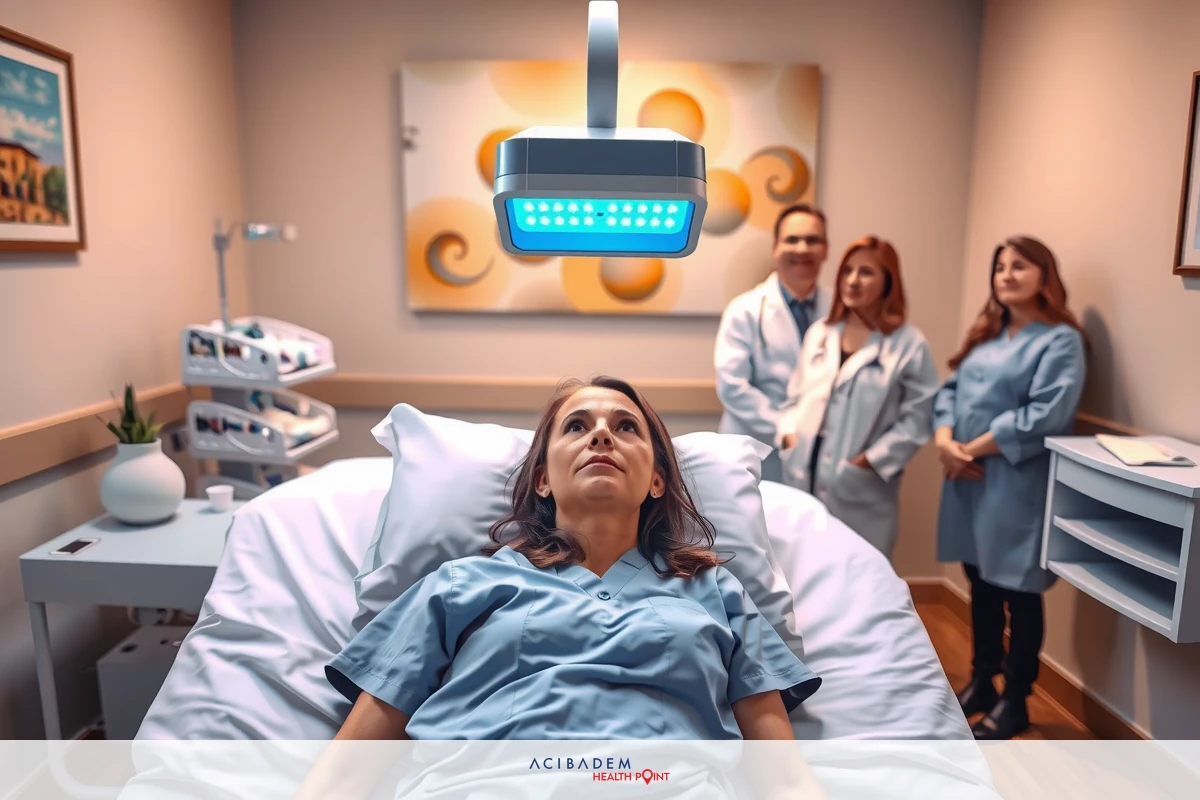
Studies show that when combined with other cancer treatments, photothermal therapy may improve overall success rates. It’s a promising addition to current treatment plans giving new hope to those fighting cancer. As research continues doctors believe it will become even more useful in treating various types of cancer.
Side Effects and Considerations
When considering photothermal therapy it’s important to discuss potential side effects. Common issues include mild pain or discomfort at the treatment site. Sometimes patients might notice swelling or redness that typically fades quickly. It’s rare but some individuals may experience more serious side effects. These can include burns or blisters if the heat affects non-targeted tissues.
Another consideration is the body’s reaction to dead cancer cells post-treatment. The immune system works hard to clean these up which can cause temporary fatigue or mild flu-like symptoms in some people. Before starting treatment doctors will evaluate each patient’s specific situation. They take into account overall health and any other treatments being used at that time.
While not common, there are chances of tissue damage leading to scars. To avoid such complications practitioners carefully control light exposure during sessions. With careful planning and monitoring photothermal therapy can be a safe option for many cancer patients.
Costs and Insurance Coverage
The cost of photothermal therapy can vary based on several factors. These include the number of sessions needed and the facility’s location. It’s essential to get a detailed breakdown from your healthcare provider.
Insurance coverage for this treatment is not always clear-cut. Some insurance plans may cover it while others might not. It largely depends on whether they consider it standard or experimental therapy. Patients should talk to their insurance company before starting treatment. This will help them understand what costs they’ll be responsible for paying out-of-pocket. Getting pre-authorization is often necessary for coverage.
There are cases where financial assistance programs may be available to help with costs. Hospitals or clinics sometimes offer these programs especially when insurance doesn’t cover all expenses. Comparing prices at different oncology centers is wise if you’re paying yourself. Prices can differ widely from one place to another so shopping around could save money in the long term.
Frequently Asked Questions
What types of cancer can photothermal therapy treat?
Photothermal therapy has been used to treat various cancers, including skin, breast, and some head and neck tumors.
How long does a photothermal therapy session last?
Sessions typically last between 30 minutes to an hour depending on the size and location of the tumor.
Is photothermal therapy painful?
Most patients report little to no pain during treatment. Some may feel warmth or a mild sensation at the treatment site.

