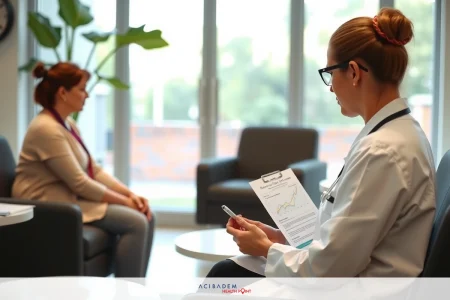
Cohen’s Brain & Spinal Tumor Care
Welcome to Cohen’s Brain & Spinal Tumor Care. We are a top place for brain and spinal tumor care. We aim to give the best treatment for brain and spinal tumors. We make sure each patient gets care that focuses on them.
Our team includes neurosurgical experts and oncologists. They use the newest ways to diagnose and treat. Our facility is modern and supports advanced treatments. This makes us a top choice in neuro-oncology.
If you need a diagnosis, treatment options, or full care, we’re here for you. Cohen’s Brain & Spinal Tumor Care will help you at every step.
Understanding Brain and Spinal Tumors
It’s important to know about brain and spinal tumors. This section talks about the main types and their symptoms. It shows why finding out early is key. Cohen’s Brain & Spinal Tumor Care
Types of Brain Tumors
There are many kinds of brain tumors. Gliomas and meningiomas are two common ones.
- Gliomas: These come from glial cells and can grow fast. Their symptoms depend on where they are and how fast they grow.
- Meningiomas: These start from the meninges and are usually not cancerous. But, they can cause big problems if they’re big or in a bad spot.
Types of Spinal Tumors
Spinal tumors are also different and can be serious. Here are some to know:
- Primary Spinal Tumors: These start in the spine, like chordomas and astrocytomas.
- Metastatic Spinal Tumors: These come from somewhere else in the body. They can be very painful and cause neurological symptoms.
Symptoms and Warning Signs
Spotting these early is key to getting help. Watch for these signs:
- Headaches: Headaches that keep coming back and get worse, with or without nausea or throwing up.
- Neurological Symptoms: Trouble with balance, seeing things wrong, speaking hard, or acting differently.
- Back Pain: Back pain that’s bad and doesn’t go away with rest might mean a spinal tumor.
- Neuromuscular Issues: Feeling weak, numb, or clumsy in your arms or legs.
Spotting these signs early can lead to better treatment. This helps people with gliomas, meningiomas, and metastatic spinal tumors do better.
The Latest Diagnostic Techniques
New technologies have changed how we diagnose brain and spinal tumors. These new methods give us a deeper understanding of conditions. This leads to better treatment plans.
Imaging Tests
Tests like MRI and CT scans are key in finding brain and spinal tumors. MRI shows detailed pictures of the brain. CT scans give full views of the body from different angles.
These tests help see the tumor’s size, where it is, and how it affects nearby tissues. This helps doctors plan treatments with great accuracy.
Biopsy Procedures
Biopsies are important for getting tissue samples. Doctors use surgery or needles to get these samples. Then, experts in neuropathology study the tissue.
This helps doctors know exactly what the tumor is like. Knowing this is key to making treatments that work best.
Genetic Testing
Genetic testing is a big help in finding out what tumors are like. By looking at genetic markers, doctors learn about the tumor’s biology. This info helps make treatments that are just right for each patient.
Advanced Treatment Options
Cohen’s Brain & Spinal Tumor Care offers many advanced treatments for different tumors. These treatments aim to be very effective and have few side effects. They focus on giving the best care to patients.
Radiation therapy is a key treatment for brain and spinal tumors. It uses high-energy particles or waves to kill tumor cells without harming healthy tissue. This method is often used with other treatments to work better together.
Chemotherapy uses strong drugs to kill cancer cells. It can be taken by mouth or through a vein. This is good for tumors that can’t be removed by surgery. It helps treat the cancer from inside the body.
Immunotherapy is a new way to fight cancer. It uses the body’s immune system to find and destroy cancer cells. This is a hope for cases where other treatments don’t work well.
New surgical innovations are leading in medical care. They include things like laser ablation and endoscopic procedures. These methods let doctors remove tumors carefully, with less recovery time and fewer problems.
We also focus on non-invasive procedures to keep patients safe and comfortable. Options like focused ultrasound and stereotactic radiosurgery can treat cancer without surgery. This means patients can recover faster and keep a good quality of life.
Importance of Multidisciplinary Care
At Cohen’s Brain & Spinal Tumor Care, we focus on a whole-body treatment plan. This approach helps patients get better results. We use a team of experts, including neurosurgeons, oncologists, and nurses, to give the best care.
Role of Neurosurgeons
Neurosurgeons at Cohen’s are key in finding and treating brain and spinal tumors. They use their skills and new tech to remove or shrink tumors. This helps patients get better.
They work with a team to make a treatment plan that fits each patient’s needs. This plan includes many different types of care.
Role of Oncologists
Oncologists are experts in cancer treatments for brain and spinal tumors. They plan and manage chemotherapy, radiation, and other treatments. They work closely with other doctors to make sure treatments work well and have few side effects.
This way of caring for patients makes sure they get all the help they need.
Support from Specialized Nurses
Specialized nurses give vital support, from after surgery to giving treatments and helping patients and families. They teach patients about their health and treatment choices. This helps patients understand and follow their care plan.
The team at Cohen’s depends on these nurses for top-quality care. This helps patients get better results.
The Team at Cohen’s Brain & Spinal Tumor Care
At Cohen’s Brain & Spinal Tumor Care, patients are our top priority. Our team has a lot of experience in treating brain and spinal tumors. We make sure every patient gets the best care and personal attention.
Meet Our Specialists
Our team has top neurosurgeons, oncologists, and radiologists. They are experts in their fields. Together, they make sure patients get the right treatment plans for their needs.
| Specialist | Role | Experience |
|---|---|---|
| Dr. Michael Stein | Neurosurgeon | 20 years |
| Dr. Sophia Lee | Oncologist | 15 years |
| Dr. Rebecca Johnson | Radiologist | 10 years |
Patient Support Services
We know brain and spinal tumors are tough on people. That’s why we offer lots of support. Our services include physical therapy, nutrition advice, and mental health help. We make sure patients get care that fits their needs.
Our support team also helps families. They give them the info and support they need. This makes it easier for families to get through the tough times.
At Cohen’s, we do more than just treat patients. We focus on making sure they feel good, both physically and emotionally.
Personalized Treatment Plans
At Cohen’s Brain & Spinal Tumor Care, we focus on individualized care strategies for each patient. We use precision oncology to make personalized treatment plans. These plans target your tumor’s specific traits.
We don’t just use the same treatment for everyone. Our treatment customization looks at your whole health and well-being. This makes treatment work better and improves your quality of life.
We use genetic tests, advanced imaging, and the newest medical tools to make plans for you. This way, we treat the tumor and think about your overall health and feelings.
Here’s what our personalized treatment plans include:
| Key Component | Description |
|---|---|
| Genetic Profiling | We analyze your tumor’s genes to find the best treatments. |
| Advanced Imaging | We use the latest imaging to see your tumor clearly. |
| Multidisciplinary Collaboration | Doctors, surgeons, and nurses work together for you. |
| Regular Monitoring | We check how well treatment is working and how you’re feeling. |
With individualized care strategies, Cohen’s Brain & Spinal Tumor Care is changing precision oncology. We’re making treatment customization that really helps patients live better.
Success Stories and Patient Testimonials
At Cohen’s Brain & Spinal Tumor Care, we see amazing strength from our patients and their families. We share stories of real success and the big role of family in beating cancer.
Survivor Stories
Cancer survivorship shows how strong and determined our patients are. Each story tells of hope, healing, and never giving up. For example, one patient said getting care at Cohen’s gave them a second chance at life.
This shows our focus on the latest treatments and care that fits each patient.
Family Testimonials
Family support is key to getting better. They give emotional and physical help that makes a big difference. Many families thank Cohen’s for their kind care.
One family said, “The team’s hard work and support helped my loved one. They guided us every step of the way, making this success real.”
We honor these brave stories and the support systems that help them. Here are some insights:
| Aspect | Patient Perspective | Family Perspective |
|---|---|---|
| Emotional Support | Found strength and optimism through compassionate care | Felt reassured by the comprehensive support provided |
| Treatment Experience | Remarkable recovery through advanced treatment options | Grateful for the effective communication and updates |
| Overall Impact | Reclaimed life and health, embracing cancer survivorship | Deeply moved by the transformation and continued involvement |
Ongoing Research and Clinical Trials
Cohen’s Brain & Spinal Tumor Care is at the forefront of innovative oncology research. We are dedicated to advancing neuro-oncology with our cutting-edge clinical studies. We aim to find better treatments for brain and spinal tumors through detailed clinical trials.
We are working on new treatments that could help patients more. Our research includes many studies, from molecular to clinical levels. These trials give hope to patients who have tried other treatments without success.
Working with top universities and research centers is key to our research. Cohen’s Brain & Spinal Tumor Care uses shared knowledge to improve neuro-oncology. This teamwork helps turn new discoveries into patient care quickly.
| Research Focus | Clinical Trial Phase | Objective |
|---|---|---|
| Gene Therapy | Phase I | Evaluating safety and efficacy in targeted tumor suppression |
| Immunotherapy | Phase II | Boosting the body’s immune response to combat tumors |
| Drug Development | Phase III | Introducing novel agents to inhibit cancer growth |
Managing Side Effects and Recovery
After brain or spinal tumor treatment, taking good care of yourself is key. At Cohen’s Brain & Spinal Tumor Care, we focus on your body and mind. This helps you recover fully.
Managing Physical Side Effects
Patients may feel tired, have trouble moving, or hurt after treatment. It’s important to manage these symptoms well. We offer services to help with fatigue, moving better, and easing pain.
- Custom physical therapy sessions
- Personalized exercise programs
- Nutritional guidance
Mental Health and Emotional Support
Getting through a tough illness can be hard on your mind. That’s why we offer lots of support for your mental health. At Cohen’s, we have many ways to help you deal with stress and other feelings.
- Individual counseling sessions
- Support groups and community resources
- Family therapy options
We don’t just focus on getting your body better. We also work on your mental health. By helping with symptoms and offering strong support, we make recovery easier for you.
| Service | Description |
|---|---|
| Physical Therapy | Customized sessions to improve mobility and reduce pain. |
| Nutritional Guidance | Personalized dietary plans to support physical health. |
| Counseling | One-on-one sessions focused on mental health and emotional well-being. |
| Support Groups | Community-driven groups providing shared experiences and emotional support. |
Cohen’s Brain and Spinal Cord Tumor: Patient-Centered Approach
At Cohen’s Brain & Spinal Tumor Care, we focus on compassionate care. This is key to our patient-first philosophy. We know each patient is different. So, we make sure our care fits their needs. We give the best treatment access and support during treatment.
Our patient-first philosophy shows in every talk and action. From the first visit to after treatment, our team is here for you. We work hard to make sure you get the care you need without any obstacles.
We use the latest medical tech and a team approach to help patients. Our compassionate care goes beyond just medicine. It includes emotional and mental support for those with brain and spinal cord tumors. We focus on your whole well-being, not just your health.
This makes Cohen’s stand out. We use clear talk, the latest tech, and strong support to change lives. Our values of compassionate care and patient-first philosophy guide us. We aim to give the best treatment access and care for brain and spinal cord tumor patients.
Contact and Appointments
Getting in touch with Cohen’s Brain & Spinal Tumor Care is easy. You can book a consultation, ask health questions, or get treatment info. Our team is ready to help you at every step. We want you and your family to get the care and support you need.
To set up a meeting, just call our main office or use the online form. Our staff will quickly help plan your visit. We know health questions can be hard, so we give clear answers to all your questions.
If you want more info on treatments or to talk to our experts, just ask. At Cohen’s Brain & Spinal Tumor Care, we aim to make your recovery journey easy and well-informed. Contact us today to begin your journey to expert, caring care.
FAQ
What types of brain tumors are treated at Cohen's Brain & Spinal Tumor Care?
Cohen's treats many brain tumors like gliomas, meningiomas, and metastatic ones. They give care that fits each patient's needs.
How are spinal tumors diagnosed at Cohen's?
They use MRIs, CT scans, biopsies, and genetic tests to find spinal tumors. This helps make treatment plans that fit each patient.
What are the common symptoms of brain and spinal tumors?
Symptoms include headaches, seizures, and vision changes for brain tumors. For spinal tumors, it's back pain, numbness, or weakness. Catching it early helps a lot.