





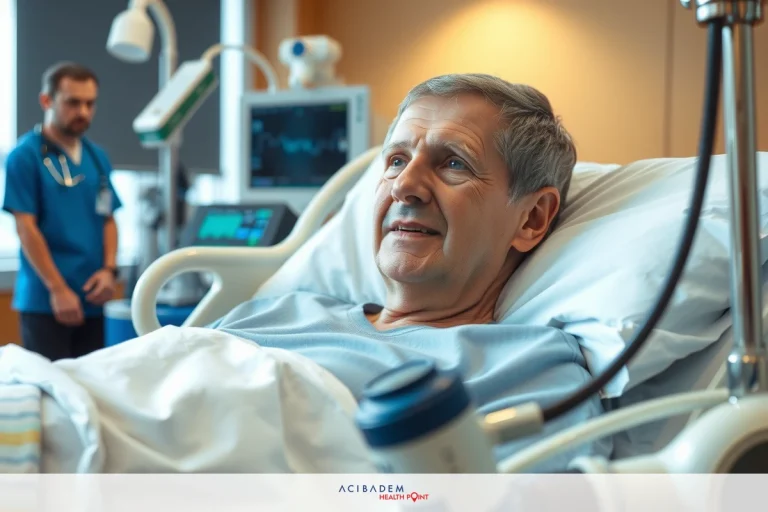
Can Radiation Therapy Cure Leukemia?
Can Radiation Therapy Cure Leukemia? Radiation therapy plays a key role in treating many cancer types including leukemia. It uses high-energy rays to target and kill cancer cells which can stop them from growing. For people with leukemia doctors might suggest it alone or with other treatments. It’s important to talk with your doctor about if it’s right for you.Many patients wonder about the success of radiation therapy against leukemia. Success can depend on factors like the type of leukemia and how far it has spread. Each person’s body reacts differently to treatment. Support from family friends and healthcare teams is vital during this time.
Learning more about side effects is part of preparing for radiation therapy. Side effects vary but often include tiredness and skin changes where treatment happens. Knowing what might happen helps patients plan better for their care after treatment starts.
Types of Radiation Therapy
Radiation therapy can be a powerful tool in the fight against leukemia. There are different methods available that doctors use to treat patients. External beam radiation is the most common type for leukemia. In this method machines send rays directly into your body at cancer cells.
Another method is internal radiation therapy also known as brachytherapy. This involves placing radioactive material inside your body near cancer cells. It’s not used as often for leukemia but it’s an option you might discuss with your doctor. The goal always remains to target cancer effectively.
Proton therapy is a newer form of radiation treatment using protons instead of X-rays. Its precision allows doctors to aim more exactly at the cancerous area which can protect healthy tissues and organs nearby from damage. As technologies advance treatments like proton therapy may become more common.
Each type of radiation therapy has its own effectiveness when it comes to curing leukemia. Your medical team will choose the best one based on many factors unique to you and your health situation. They’ll consider things like how far your disease has spread and what other treatments you’re getting.
Side Effects
Radiation therapy, while effective for treating leukemia, can also cause side effects. These vary from patient to patient and depend on the treatment dose and area. Some common side effects include fatigue which can make patients feel very tired during treatment periods. Skin problems might also occur with redness or irritation at the site where radiation is applied.
Patients may experience nausea or a loss of appetite as a result of radiation therapy. This could lead to weight loss over time if not managed properly with diet and care. It’s crucial that patients discuss these potential issues with their healthcare team to find ways to cope.
Hair loss is another possible side effect when radiation therapy targets the head area in leukemia treatments. Although hair usually grows back after treatments end this temporary change can be distressing for some people. Support groups and counseling are helpful resources during such times.
Mouth sores can develop if the radiation affects areas around the mouth or throat in certain types of leukemia treatment plans. Maintaining oral hygiene becomes even more important through these challenges to avoid further discomfort or infection risks. Your medical team will guide you on how best to manage these symptoms
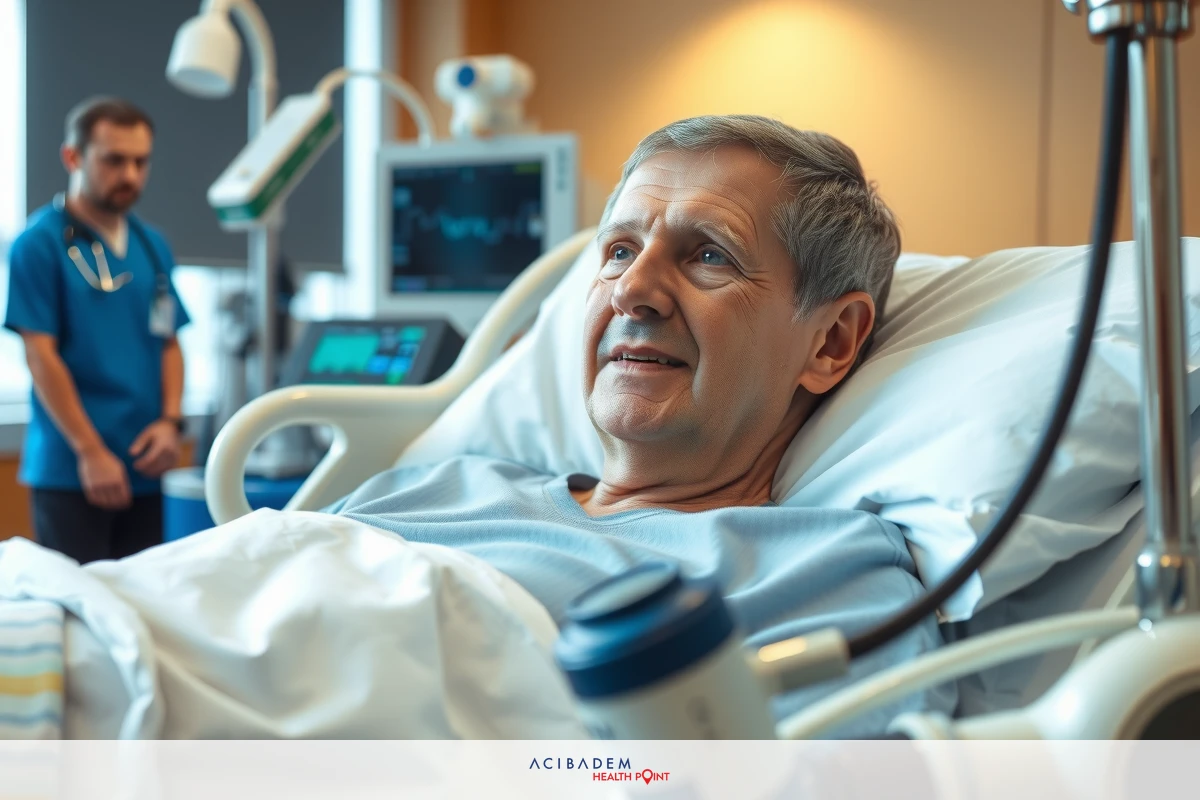
for better quality of life during your treatment journey.
Success Rates
The success rates of radiation therapy in curing leukemia can offer hope to patients. Statistics show that outcomes vary based on the type and stage of leukemia being treated. Acute forms of leukemia may respond differently than chronic types when exposed to radiation. Your doctor will have data that’s specific to your situation and treatment plan.
It is important for patients to understand what ‘success’ means in the context of their treatment. For some, it might mean complete remission, while for others, it could involve managing the disease long-term. Doctors consider a range of factors before predicting potential outcomes with radiation therapy.
While numbers are helpful each patient’s journey is unique. Stories from other people who’ve had similar treatments can be uplifting and informative. Discussing with survivors or joining support groups gives you more insight into what success might look like after undergoing radiation therapy for leukemia.
Combination Therapies
Combination therapies often enhance the effectiveness of leukemia treatment. When radiation therapy is paired with chemotherapy, for instance, it can lead to better outcomes. This approach targets cancer cells in different ways which increases the chance of success. Doctors carefully plan this blend of treatments to maximize their impact on the disease.
Immunotherapy is another treatment that works well with radiation therapy for some leukemia patients. It boosts the immune system’s ability to fight cancer cells more effectively. By combining these methods doctors aim to create a strong defense against the progression of leukemia.
Bone marrow transplants may follow radiation therapy as part of combination treatment strategies. Radiation prepares the body for transplant by destroying diseased bone marrow cells first. The transplant then introduces healthy donor cells which can take over and produce normal blood cells.
Targeted drug therapies also play a role when used alongside radiation therapy in treating leukemia. These drugs focus on specific traits within cancer cells such as proteins or genes that help them grow. They are less harmful to normal healthy cells than traditional chemotherapy and work well with radiation.
The choice to use combination therapies depends on many factors like age and overall health status. Side effects are managed more closely when multiple treatments occur at once since they can be stronger together than alone. Each patient’s care plan aims at achieving remission while maintaining quality of life throughout treatment cycles.
Supportive Care
Supportive care is crucial during and after radiation therapy for leukemia. It includes a range of services that help patients cope with treatment side effects and maintain their quality of life. This type of care aims to manage symptoms, provide emotional support, and assist with daily living needs. Healthcare teams work closely with patients to tailor supportive care plans specifically for them.
Nutritional support forms an important part of caring for patients undergoing radiation therapy. A balanced diet helps the body repair itself and can reduce treatment complications. Dietitians often create personalized eating plans that keep patients nourished while considering any difficulties they may have with eating or digestion.
Pain management is another essential component of supportive care in cancer treatments like radiation therapy. Pain can stem from the cancer itself or as a side effect of treatments used to combat it. Effective pain control strategies include medications, physical methods such as hot/cold packs, and psychological
approaches like relaxation techniques.
Emotional well-being is also addressed within supportive care programs because dealing with leukemia can be very stressful. Counselors might offer one-on-one sessions or group support where sharing experiences helps those affected by similar challenges feel less alone in their journey through treatment.
Rehabilitative services are provided when needed to help leukemia patients regain strength and function post- treatment. Physical therapists design exercises tailored to individual recovery goals so each person can return to their daily activities as soon as possible after completing radiation therapy regimens.
Frequently Asked Questions
Q: What is leukemia and how is it treated?
A: Leukemia is a cancer of the body's blood-forming tissues including the bone marrow and lymphatic system. Treatment options vary depending on the type of leukemia but may include chemotherapy, radiation therapy, targeted drug treatments, and stem cell transplants.
Q: Can radiation therapy be used as the sole treatment for leukemia?
A: Radiation therapy might be used alone in certain cases to treat leukemia or as part of a combination approach with other therapies. The decision depends on various factors such as the type and stage of leukemia.
Q: How long does radiation therapy for leukemia usually last?
A: The length of radiation therapy can differ greatly from one patient to another. It typically involves multiple sessions over several weeks but your doctor will determine the best schedule based on individual needs. The answers provided here are for informational purposes only and do not constitute medical advice.

