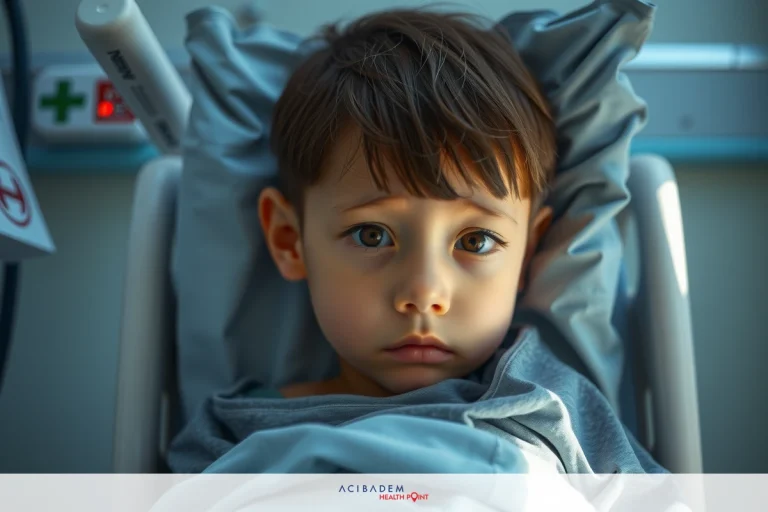





What Are The Long-term Health Effects Of Childhood Heart Tumors?
What Are The Long-term Health Effects Of Childhood Heart Tumors? When children face heart tumors their journey doesn’t end with treatment. Years after they heal some may feel strong and healthy while others deal with lasting effects. Doctors follow up to help catch any problems early on. Many kids grow up to live full lives but they might need extra care along the way.Kids who have had heart tumors often see a doctor regularly even after they get better. Their check-ups track growth and look for late side effects from treatment or tumor return. It’s important for them to lead active healthy lives and manage stress well.
As these young patients become adults understanding their past health helps guide future care choices. They can work with specialists who know about possible long-term impacts of childhood cancers on the heart. A team approach ensures all aspects of their well-being are looked after as they move forward in life.
Survival Rates
Survival rates for childhood heart tumors have improved over the years. Thanks to advances in treatment many children beat their illness and grow up. Yet these kids need ongoing care and monitoring as they get older. Their doctors keep an eye on their health long-term.
Children who had heart tumors face different outcomes based on many factors. The type of tumor, its size, and how early it was found all play a role. Also crucial is the kind of treatment they received during their battle with cancer. These elements together help shape a child’s prognosis.
After treatment ends survivors often work closely with healthcare teams for years to come. This team tracks any late effects that might affect the child’s health down the line. It includes specialists who focus on long- term issues from childhood illnesses like heart tumors.
The goal for these children is not just survival but also good quality of life into adulthood. With regular check-ups and proper care many enjoy activities just like other kids do. They go to school, play sports, and dream about what they’ll be when they grow up.
Treatment Options
Treating childhood heart tumors requires a careful approach tailored to each child. Doctors consider the type and stage of the tumor before deciding on treatment. They often use surgery, chemotherapy, or radiation therapy to fight these cancers. Sometimes they combine these methods for better results.
In pediatric oncology specialists aim to minimize long-term health effects from treatments. New techniques in surgery try to remove tumors without harming healthy heart tissue. This helps children recover faster and reduces complications as they grow up.
Chemotherapy drugs can be tough on kids but are getting safer and more effective over time. Researchers work hard to find medicines that target only cancer cells. This means fewer side effects for young patients both during treatment and later in life.
Radiation therapy has also seen advances that limit exposure to the rest of the body. Precision technology focuses on destroying just the tumor cells while protecting other areas of the heart. These improvements offer

hope for children’s ongoing health after beating cancer.
Monitoring and Follow-Up
After children finish treatment for heart tumors regular monitoring becomes key. Doctors set up a schedule of health check-ups to watch for any changes. These visits may include scans, blood tests, and heart function tests. The goal is to catch any problems early when they’re easier to manage.
Follow-up care helps in spotting late effects of treatments that could impact long-term health. Kids might see different specialists who understand how childhood cancer can affect growing bodies. This team works together to make sure each child gets the right care at the right time.
Parents play a big part in this stage too by keeping an eye on their child’s health day-to-day. They learn what’s normal and what might be a sign that needs a doctor’s attention. Open communication with healthcare providers ensures kids have support as they move beyond their illness.
Supportive Care
Supportive care is vital in managing the long-term health effects of childhood heart tumors. It focuses on enhancing quality of life for both children and their families. This kind of care includes physical, emotional, and social support services. They are designed to help with side effects from cancer treatment.
Physical therapy might be part of supportive care to strengthen a child’s body after treatment. Nutritionists can also provide guidance to ensure a healthy diet that supports recovery and growth. Managing pain and other symptoms effectively allows children to participate more fully in everyday activities.
Emotional support through counseling helps kids cope with the stress related to their illness. Psychologists or therapists work with children and families to address fears or concerns about health issues. Such support aims at reducing anxiety helping kids stay positive throughout their healing journey.
Social workers play a role by connecting families with resources such as support groups or financial aid programs. These professionals offer guidance on navigating school systems and maintaining normalcy for young patients. With this network the whole family receives comprehensive attention beyond just medical needs.
Through health management education parents learn how best to look after their child post-treatment. Knowledge about medication management, symptom recognition, and emergency preparedness empowers caregivers. Equipped with this information they can better advocate for their child’s ongoing needs within healthcare settings.
Prevention Strategies
Prevention strategies are key in reducing the risk of developing childhood heart tumors. Healthy lifestyles and regular medical check-ups play a major role here. For example avoiding exposure to known carcinogens can make a difference. Scientists also recommend maintaining a balanced diet rich in fruits and vegetables.
Early detection is another crucial part of prevention for long-term health effects. Parents should be aware of the signs and symptoms linked to heart tumors in children. If there’s any concern they should not hesitate to seek medical advice promptly.
Genetic counseling may be beneficial for families with a history of cancer or genetic disorders. This service helps assess risks and provides information on preventive measures for at-risk children. It could lead to early interventions that might prevent tumor development later on.
Health promotion programs focused on awareness can educate parents about potential risks factors for their kids. These include understanding environmental aspects like radiation exposure or certain chemical agents.
Being informed allows caregivers to take proactive steps towards protecting their children’s health.
Regular wellness tips from pediatricians support ongoing efforts in preventing childhood illnesses such as heart tumors. They encourage vaccinations, physical activity, and good sleep patterns among other healthy habits. When these guidelines become part of daily life they contribute significantly to overall well-being from an early age.
Frequently Asked Questions
What are the most common long-term health effects of childhood heart tumors?
Survivors may experience various issues such as heart problems, growth delays, or secondary cancers. Regular follow-up care is essential to manage these potential effects.
Can lifestyle changes impact the prognosis of childhood heart tumors?
Yes a healthy diet and regular exercise can improve overall well-being and potentially reduce risks of complications.
How often should children who've had heart tumors see their doctor for check-ups?
The schedule varies based on individual cases but typically includes frequent visits initially with less over time if no issues arise.