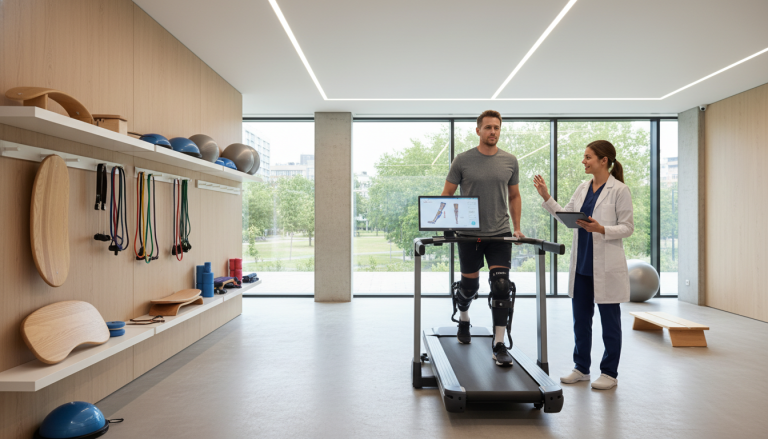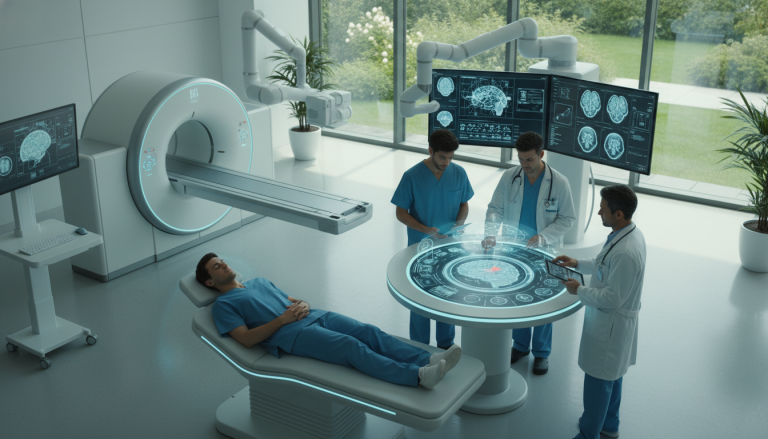


Modern medicine is changing fast thanks to digital innovation. We’re entering a new era where data analytics change how we do things. High-speed computing has made donor matching much more precise.
Now, our teams can look at huge amounts of data quickly and accurately. This means every organ transplant has a better chance of success. We’re working hard to use these tools to make care safer and better for everyone.
Personalized care is at the heart of what we do. We mix human skill with machine learning to make care plans that fit each person’s needs. This mix of new tech and care builds a better future for healthcare.
Key Takeaways
- Digital innovation has fundamentally improved the accuracy of medical procedures.
- Sophisticated data analytics allow for more precise compatibility assessments.
- Personalized care strategies lead to better long-term patient outcomes.
- Advanced technology reduces risks associated with complex surgical interventions.
- Our institution remains dedicated to building sustainable and efficient healthcare solutions.
The Evolution of Transplant Medicine in the United States
The history of organ transplantation in the United States is a journey from experimental to modern excellence. In the early days, these surgeries were risky and had uncertain results. Now, they are a standard, safe practice that puts patient safety first.
Advances in surgery and immunology led to this change. The setup of transplant hospitals also evolved. They now have teams that work together to handle complex cases well.
Today, patients get care based on strict national standards. For conditions like hronicna bubrezna insuficijencija komplikacije, hospitals use data to get the best results. A top transplant hospital is a place where new ideas meet human skill to save lives.
The table below shows how care has improved over time:
| Era | Focus | Outcome Reliability |
|---|---|---|
| Early Years | Experimental Surgery | Low/Variable |
| Mid-Development | Standardized Protocols | Moderate |
| Modern Era | Precision Medicine | High/Predictable |
Commitment to excellence is key to this progress. Every transplant hospital follows strict rules to ensure quality care. This focus on excellence is changing medicine, making impossible surgeries possible for many in the U.S.
Modernizing the Organ Donor Matching Process
Advanced data analytics are now key to our national organ donor matching systems. They help us find the right candidates for transplants quickly. This makes sure every donor matching is done with great care.
We use new tech to predict who will be the best match for an organ. These smart tools look at many biological details. This way, we match each organ donor with the best recipient, cutting down wait times.
We think technological integration is vital for transplant medicine’s future. Our fast network makes life-saving transplants more accurate. This change shows our commitment to better healthcare for all in the U.S.
Precision Medicine and the Transplant Evaluation Phase
Precision medicine has changed how we do transplant evaluation. We now look at specific genetic and physiological markers. This helps predict how well a patient will do long-term.
Every candidate gets a personalized treatment plan. It’s made just for their unique needs.
We are committed to excellence in this process. We find problems early to improve success after surgery. Advanced data analytics help us create a comprehensive roadmap for each patient’s recovery.
The table below shows how we’ve moved from old ways to new ones in transplant evaluation.
| Evaluation Metric | Traditional Approach | Precision Medicine Approach |
|---|---|---|
| Genetic Profiling | Limited or None | Comprehensive Sequencing |
| Physiological Data | Standard Blood Panels | Real-time Biomarker Tracking |
| Treatment Strategy | One-size-fits-all | Tailored Therapeutic Plans |
| Outcome Prediction | General Statistical Averages | Individualized Risk Modeling |
This meticulous focus helps our specialists avoid risks. We aim to create lasting healthcare solutions. Our goal is to keep our patients healthy for the long term. We lead in transplant care in the United States.
The Impact of Advanced Technology on Organ Transplant Success
Advanced technology has changed the way we do organ transplant surgeries. Now, doctors use high-tech tools to be more precise. This means patients get the best care as they recover.
Advanced algorithms have been key in this change. They’ve helped use more organs, up by 15% in the last 10 years. This shows how using data can save more lives. We keep working to use technology to improve medicine.
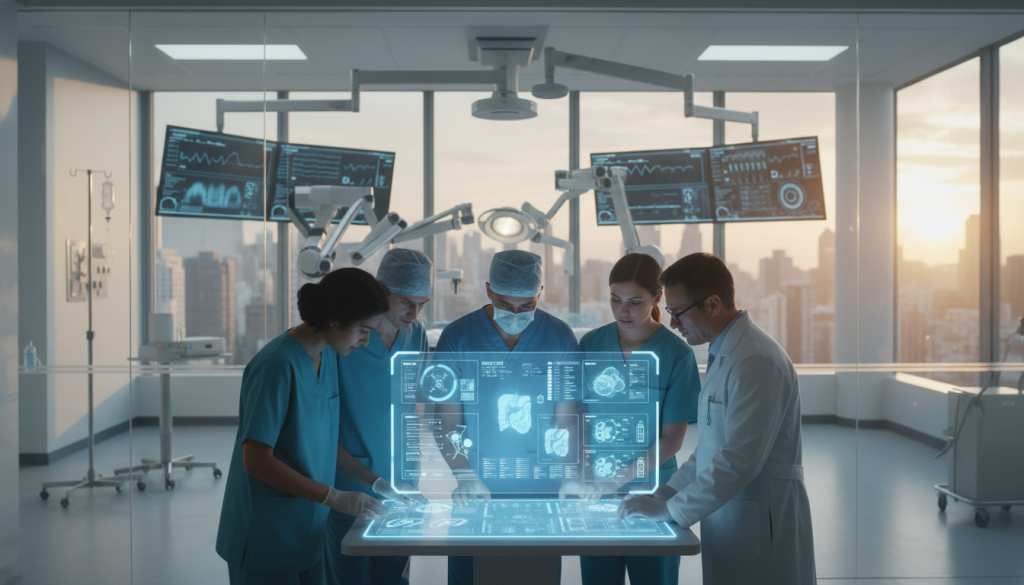
Now, machines help doctors predict how well a transplant will do. They look at patient data over time to spot problems early. This helps doctors act fast, leading to better health for patients.
| Technology Category | Primary Benefit | Outcome Improvement |
|---|---|---|
| Predictive Algorithms | Enhanced Donor Matching | 15% Higher Utilization |
| High-Fidelity Imaging | Precision Diagnostics | Reduced Surgical Risk |
| Machine Learning | Graft Survival Analysis | Improved Recovery Rates |
We’re always improving our tech to help healthcare. By focusing on innovation, we make healthcare better for everyone. We think the future of organ transplant is in combining human skill with digital tools.
Personalized Care Strategies for Post Transplant Care
The journey to wellness doesn’t end with surgery. We know that post transplant care needs ongoing attention. Our teams use data to create recovery plans that meet each patient’s needs.
We aim to help patients recover their immune system quickly and safely. We use advanced monitoring to adjust treatments as needed. This approach lowers the chance of organ rejection and other issues.
We put patients at the center of their care. We educate and communicate with them closely. This builds trust and helps them stay well in the long run.
Our recovery plan includes several key parts. These are designed to improve patient outcomes:
| Strategy Component | Clinical Focus | Patient Benefit |
|---|---|---|
| Individualized Monitoring | Biomarker Tracking | Early Detection |
| Immune Management | Therapeutic Optimization | Enhanced Stability |
| Supportive Care | Holistic Wellness | Improved Quality of Life |
We focus on precision and compassion in our care. This sets us apart in the field. Our goal is to make post transplant care smooth for everyone. We’re committed to improving immune recovery for a healthier future.
Advancements in Immunosuppression and Rejection Prevention
Long-term graft success relies on precise immunosuppression. New medical breakthroughs help us go beyond old, one-size-fits-all treatments. Now, we can tailor therapy to each person’s unique biology.
Our focus on post transplant care is key. We aim to prevent organ rejection while avoiding side effects. Precision is the key to giving each patient the right dose for their needs.
Our teams use advanced tools to check graft function. This data helps us adjust immunosuppression on the fly. It greatly improves patient results. High-tech solutions make recovery safer and more effective.
We aim for long-term health and stability for transplant recipients. Through post transplant care and new therapies, we protect the transplanted organ. We remain dedicated to improving these standards for better lives.
The Role of Transplant Specialists in the Digital Era
Today’s transplant specialists are key in linking advanced data analysis with caring for patients. They need to know both new software and old surgical methods. This skill mix helps them make decisions based on exact, up-to-the-minute data.
Our teams mix deep medical knowledge with tech skills to handle tough patient cases. With top-notch diagnostic tools, transplant specialists can spot problems before they start. This makes our surgeries safer and more successful for patients.
We believe in always learning and trying new things. Our staff keeps up with the latest tech to stay ahead in transplant medicine. This helps us meet our patients’ changing needs fast.
The table below shows what skills are needed for today’s medical teams:
| Competency Area | Focus | Outcome |
|---|---|---|
| Clinical Expertise | Surgical Precision | Improved Recovery |
| Digital Literacy | Data Analytics | Informed Decisions |
| Patient Advocacy | Personalized Care | Higher Satisfaction |
The main job of transplant specialists is to offer reassuring, expert advice to patients. By combining empathy with digital tools, we aim for top healthcare standards. Our focus on this balance means every patient gets the best care possible.
Improving Patient Survival Through Longitudinal Data
We focus on analyzing long-term data to improve immune recovery. By collecting health info over time, we understand how patients react to transplants better. This evidence-based approach helps us spot trends that might be missed.
We track health metrics over the long term to boost patient survival. We use digital tools to watch for changes in health right away. This lets doctors act fast to stop problems before they get worse.

We adjust treatment plans based on each patient’s data. When we see changes in lab results, we change immunosuppressive treatments right away. This quick action is key to keeping transplants working well and patients healthy.
The table below shows the key metrics we watch to help patients survive longer and recover better after a transplant.
| Metric Category | Monitoring Frequency | Clinical Objective |
|---|---|---|
| Immunosuppression Levels | Weekly to Monthly | Prevent Rejection |
| Renal Function Markers | Bi-weekly | Ensure Organ Health |
| Infection Surveillance | Continuous | Early Pathogen Detection |
| Metabolic Profiles | Quarterly | Optimize Long-term Wellness |
Addressing Disparities in Access to Transplant Technology
We think that where you live or your background shouldn’t affect your access to life-saving transplant care. Our place is dedicated to making sure everyone gets the best care. We work hard to make sure everyone gets the support they need.
One key part of our mission is making the transplant evaluation process easier. We use digital tools to cut down on paperwork. This lets our teams focus more on helping patients. It’s very important for those needing hronicna bubrezna insuficijencija opcije lecenja to get the care they need quickly.
We’re always looking to reach more people as we try to improve patient survival rates. We invest in programs that help connect people in need with care centers. This helps find candidates sooner, which improves their health in the long run.
We’re committed to fairness in our care. We keep working to make our transplant evaluation process better for everyone. Our goal is to help more people survive and have a better future.
The Future of Organ Preservation and Bioengineering
We’re pushing the limits of organ preservation with bioengineering. We’re investing in new tech to keep donor organs alive longer. This means more people can get the transplants they need.
Advanced perfusion systems help keep organs healthy outside the body. These innovative preservation methods let us check organs more thoroughly before surgery. With better immunosuppression, these methods improve how long transplants last.
Bioengineering is changing how we tackle medical problems. We think these scientific leaps are key to a better healthcare system. They help reduce damage during transport, improving care for everyone.
Our future plans include combining these techs with custom immunosuppression plans. This approach lowers the chance of organ rejection and boosts patient life quality. Our work shows our commitment to top-notch medical care for years to come.
Ethical Considerations in High-Tech Donor Matching
Ethical integrity is key in our high-tech organ matching. We see every organ donor as a hero, giving a great gift. Our systems follow strict moral rules to honor this gift. We mix innovation with care to help everyone involved.
We follow all federal rules to ensure fairness and transparency. We think advanced algorithms should support, not replace, human judgment. This is why we’re a trusted healthcare provider.
We always respect the organ donor throughout the matching process. We check our systems often to avoid bias. This keeps our decisions focused on helping patients.
Here’s what guides us:
| Ethical Pillar | Implementation Strategy | Goal |
|---|---|---|
| Transparency | Open-source audit logs | Build public trust |
| Equity | Bias-mitigation algorithms | Fair organ donor allocation |
| Accountability | Independent ethics review | Regulatory compliance |
| Dignity | Respectful donor protocols | Honor the gift of life |
We aim for excellence and responsibility. We’re committed to improving medical tech while protecting patients and donors.
Sustainable Healthcare Models for Transplant Centers
The future of a transplant hospital is about using new medical tech and green practices. We aim to improve health without harming the planet. This means we focus on being eco-friendly in our work.
We’re working hard to make our hospitals greener. Our big goal is to cut our carbon footprint by 20% by 2030. This means changing how we use energy, handle waste, and manage our supplies.
By making sustainability a key part of our work, we keep patients safe and protect the environment. We use energy-saving tech and smart buildings to use resources wisely. This way, we’re building a better future for all.
| Metric | Traditional Facility | Sustainable Model |
|---|---|---|
| Energy Source | Standard Grid | Renewable Integration |
| Waste Management | Standard Disposal | Advanced Recycling |
| Carbon Footprint | Baseline | -20% by 2030 |
| Facility Focus | Clinical Only | Clinical & Eco-conscious |
The Future Landscape of Personalized Transplant Medicine
Organ transplantation is always evolving, thanks to new tech and top-notch care. We make sure each patient gets a plan that fits their health needs perfectly.
Transplant experts lead the way in this field. They use advanced data and precise tests to make surgeries safer. Their efforts help save lives all over the U.S.
We aim for healthcare that’s both cutting-edge and caring. Our teams use bioengineering and better preservation methods to help patients long-term. This approach makes sure medical help is available for years to come.
Innovation is key to our goal of top-notch care. Our transplant specialists are always looking for new ways to get more organs and lower rejection rates. We welcome patients and partners to help us create a future where personalized medicine is the norm.
FAQ
Q: How has advanced technology fundamentally improved the donor matching process?
A: Advanced technology has changed the game in donor matching. It uses smart data and predictive models to find the best matches fast and accurately. This has led to a 15% increase in organ use over the last decade. Every organ is now used to its fullest, thanks to this tech.
Q: What role does the transplant evaluation phase play in ensuring patient survival?
A: The transplant evaluation phase is key to our success. Our team uses genetic and physiological markers to check if a transplant is right for a patient. This approach helps us create personalized plans that boost survival rates and reduce complications.
Q: How does the hospital manage post transplant care and immune recovery?
A: We focus on individual care to help patients recover quickly. We track health metrics in real-time to adjust treatment plans as needed. This approach keeps patients healthy and meets our high standards of care.
Q: What advancements have been made in immunosuppression therapy to prevent organ rejection?
A: We’ve made big strides in immunosuppression therapy. We use new drugs that are tailored to each patient’s needs. This helps prevent rejection without causing too many side effects, keeping the transplant working well.
Q: How are transplant specialists adapting to the complexities of the digital era?
A: Our team uses advanced tech and machine learning to tackle tough cases. They work together, combining clinical knowledge with tech skills. This keeps us at the top of transplant medicine, serving patients worldwide.
Q: How is the institution addressing disparities in access to advanced transplant technology?
A: We’re working hard to make sure everyone has access to transplant care. We’re making the process faster and reaching more people. It’s our duty to make sure everyone gets the chance to live a longer, healthier life.
Q: What measures is the transplant hospital taking to ensure environmental sustainability?
A: We’re leading the way in green healthcare. We aim to cut our carbon footprint by 20% by 2030. Our goal is to be kind to the planet while we save lives.
Q: What ethical frameworks guide the use of high-tech matching and bioengineering?
A: We follow strict rules and ethics in every transplant. We’re open about our matching processes to ensure fairness. Our ethics committees watch over us as we push the boundaries of bioengineering and organ preservation.