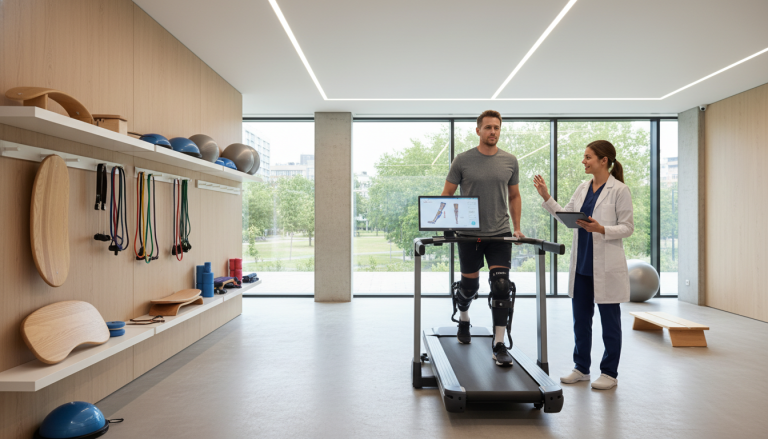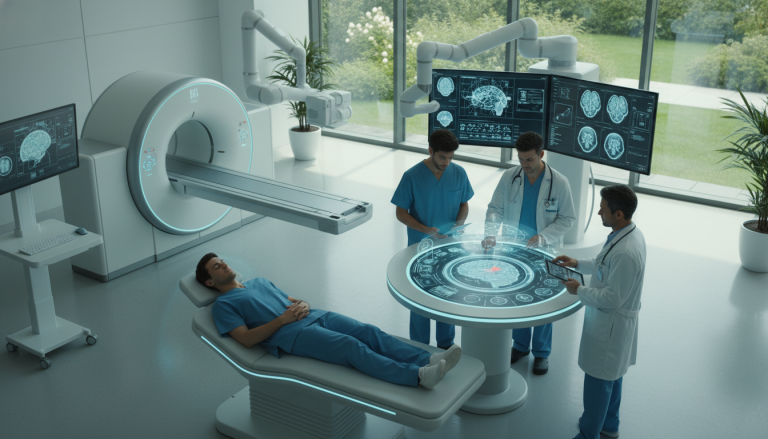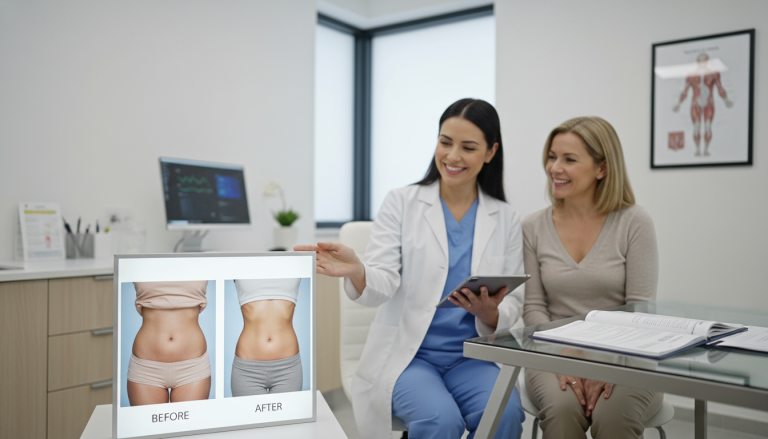

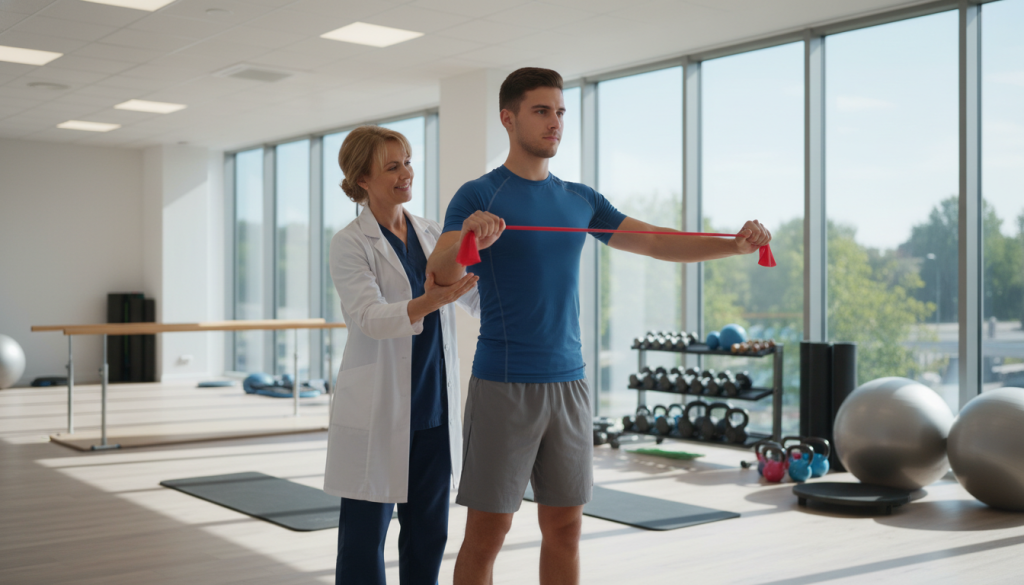
Many patients only look at big milestones during their recovery treatment. They miss the small, important changes. Our team uses rigorous clinical observation to spot these small wins that others might miss.
We make sure every small step counts by using evidence-based medicine. Knowing how to spot these signs helps you take charge of your health. For more help, our experts share ways to manage stiffness for better daily mobility.
Our focus on advanced physiotherapy means we tailor care to fit your needs. Seeing these small changes can make your recovery journey more positive and efficient. A data-driven approach keeps you motivated all the way through your rehab.
Key Takeaways
- Minor physiological improvements are critical markers of successful healing.
- Standard assessments often overlook subtle gains that indicate progress.
- Evidence-based medicine ensures every step of your recovery is documented.
- Recognizing small wins improves patient motivation and long-term outcomes.
- Professional clinical observation provides a clearer picture of your mobility trajectory.
The Science of Subtle Progress
At the cellular level, the body starts a complex repair process. This is the start of long-term recovery. These tiny changes often happen before we see them in how we move.
By watching these early physiological markers, our teams can spot when healing speeds up.
We have strict rules to catch these nuanced changes. We use advanced tools to see changes that patients might miss. This way, every treatment plan is always up-to-date and tailored to the patient.
Understanding small gains is key to getting better. When we see these tiny improvements, we can adjust treatments to help patients more. This shows patients that their progress is being carefully watched.
By mixing science and medical skill, we keep our recovery work top-notch. We focus on the intricate details of getting better. This way, every small step is important in the journey to full health.
Role of Advanced Physiotherapy in Detecting Micro-Gains
Our team uses advanced physiotherapy to find small improvements that are often missed. We look at tiny changes in the body to make sure we catch every bit of progress. This careful method helps us understand how well a patient can really do.
Our experts use special ways to see small changes in how well a patient moves and uses their muscles. These small changes are important signs of healing, even if the patient doesn’t notice them right away. Precision monitoring helps us see if the treatment is working well.
We keep track of these small changes to see how a patient is getting better over time. This way, we make sure to note and study every small success. With advanced physiotherapy, we aim to keep patients moving well and feeling confident for the long term.
| Metric | Standard Observation | Advanced Physiotherapy |
|---|---|---|
| Muscle Recruitment | Gross Movement | Fiber-Level Activation |
| Range of Motion | Visual Estimation | Precision Goniometry |
| Data Documentation | Periodic Notes | Continuous Tracking |
Neuroplasticity and the Early Signs of Motor Recovery
We focus on making neural networks stronger for better motor recovery. Neuroplasticity lets the brain change and adapt. This is key to our rehab approach.
After a brain injury, the brain starts adapting. We use early, targeted stimuli to help create new connections. This gradual restoration of movement is essential for patients to regain their independence.
We look for small signs of progress that show the brain is adapting well. These signs include better muscle control and more awareness of senses. Our therapy is based on solid evidence to help these small gains grow into bigger successes in motor recovery.
The table below shows why our early intervention is better than waiting too long.
| Intervention Strategy | Neural Impact | Functional Outcome |
|---|---|---|
| Early Stimulation | High synaptic plasticity | Accelerated motor recovery |
| Delayed Intervention | Reduced neural flexibility | Limited functional gains |
| Targeted Therapy | Optimized pathway mapping | Improved movement quality |
We use the latest tech to track these changes in real-time. By supporting neuroplasticity, we help patients reach their best. Our goal is to create lasting healthcare solutions that focus on each person’s long-term success.
Integrating Medical Technology for Objective Data Tracking
We focus on using advanced medical technology to track every small improvement in mobility. This way, our clinical teams get precise data from sensors and digital systems. It helps us avoid the guesswork often seen in old-school physical checks.
Our dedication to tech means every decision is backed by verifiable, real-time data. These tools give us a detailed look at how patients move. This lets us make quick, effective changes. It makes our recovery process clearer and more focused on results.
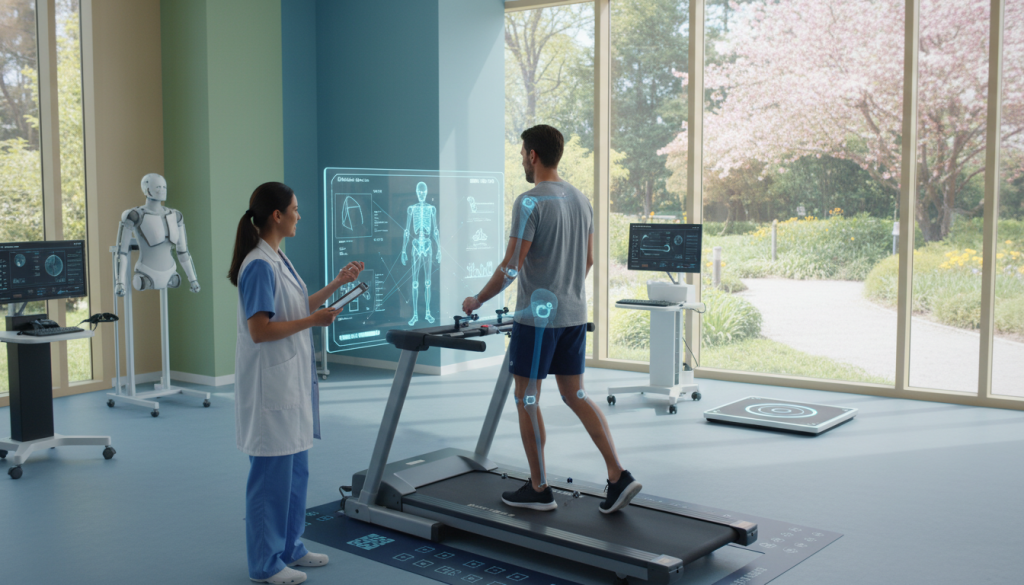
The table below shows why digital tracking is better than old methods in a clinic.
| Feature | Traditional Assessment | Modern Medical Technology |
|---|---|---|
| Data Accuracy | Subjective/Estimated | High-Precision/Objective |
| Reporting Speed | Delayed/Manual | Real-Time/Automated |
| Patient Insight | Limited/General | Granular/Predictive |
Using medical technology every day keeps our care top-notch. We think data-driven insights are key to lasting healthcare solutions. This careful method helps us keep getting better at helping our patients move better over time.
Walking Recovery Beyond the Gait Cycle
True walking recovery goes beyond just the leg movement. Our approach looks at the whole body, not just the legs. We focus on balance, core stability, and postural control for lasting mobility.
Walking is complex, involving many body parts working together. By focusing on these key areas, patients move more naturally and efficiently. This approach makes progress last, not just for a short time.
We aim to help patients feel confident in their daily activities. A good walking recovery program considers how the core supports the body. This precision makes standing, walking, and turning smoother.
The table below shows the difference between old gait training and our new approach to mobility.
| Focus Area | Traditional Gait Training | Comprehensive Mobility Approach |
|---|---|---|
| Primary Goal | Repetitive leg movement | Functional, stable locomotion |
| Core Involvement | Minimal focus | Integrated core activation |
| Balance Training | Secondary priority | Foundational requirement |
| Outcome | Basic step mechanics | Sustainable, natural movement |
Our goal in walking recovery is to improve the small details of movement. By focusing on posture and core strength, patients can move better and safer. Our commitment to excellence means every patient gets the best care available.
Psychological Shifts as Indicators of Physical Healing
The path to physical recovery is filled with important mental milestones. These show deep healing is happening. Mental resilience is key to how well a patient does in rehab. These changes are vital signs of progress we watch closely.
When a patient’s mood improves, they often start to get better physically too. Seeing renewed confidence and focus in a patient means their body is getting ready to heal. This connection between mind and body is at the heart of our care.
A patient’s drive is what leads to success. We create a supportive space to keep their mind and body goals in sync. Cognitive engagement helps people overcome challenges and make big strides in their recovery.
We mix mental support into daily therapy. We think nurturing the mind is as important as physical workouts. This approach gives patients the emotional support they need to keep going in their healing journey.
Spinal Rehab and the Importance of Sensory Feedback
Our focus on spinal rehab is all about sensory integration. When the nervous system gets hurt, it can lose touch with the body. We use special techniques to help reconnect the brain and limbs.
This is key for retraining the nervous system to feel and respond to body signals. Our team works to help patients feel their limbs better. This is the first step in helping them move again.
Good spinal rehab needs a plan that fits each person. We watch how the body reacts to these signals. This helps us make sure every movement is better and more controlled.
| Sensory Modality | Clinical Objective | Expected Outcome |
|---|---|---|
| Proprioceptive Input | Joint Awareness | Improved Balance |
| Tactile Stimulation | Nerve Activation | Enhanced Sensitivity |
| Visual Feedback | Motor Mapping | Better Coordination |
The use of sensory feedback is a big part of our spinal rehab work. We think it’s important for helping patients be more independent. Our team is committed to giving the best care for lasting recovery.
AI Therapy and Predictive Analytics in Patient Outcomes
The use of AI therapy is changing how doctors predict and manage patient outcomes. Advanced algorithms help our medical facilities forecast recovery trends with high accuracy. This change allows for a more proactive approach to healing, something traditional clinics couldn’t do.
Modern medical technology is key to this change. Our systems analyze huge datasets to spot patterns in patient progress. This helps our teams catch any slowdowns early, before they block recovery.
When our software sees a slowdown, it suggests proactive adjustments to the treatment plan. This ensures each patient gets a rehabilitation plan that fits them perfectly. By making these adjustments in real-time, we keep the recovery process moving forward.
The use of advanced medical technology lets us offer personalized care on a large scale. We’re dedicated to using AI therapy to help patients reach their full recovery. This keeps our care standards at the leading edge of healthcare worldwide.
Movement Therapy and the Nuances of Muscle Activation
Getting muscles to work right is key in rehab. In movement therapy, our team works on the right muscle patterns for health. We focus on each muscle to help patients control their bodies well.
Good motor recovery means using the right muscles. If patients don’t, they might move in ways that don’t help. Our therapists teach them to move better, building real strength.
We use a careful plan to help patients get past physical limits. For more help, learning to ease pain is important. This way, we make sure motor recovery is real and lasting.
Understanding muscle activation is an ongoing task. Our experts use evidence-based techniques to improve muscle response. This careful work in movement therapy helps avoid injuries and builds strong muscles for everyday tasks.
Neuro Recovery and the Role of Autonomic Nervous System Regulation
The autonomic nervous system is like a silent conductor for the body’s healing. When it works well, it helps neuro recovery happen. True healing needs more than just moving; it needs a calm inside.
We use AI therapy to watch stress signs in real-time. We look at heart rate and skin conductance to see how the nervous system is doing. This helps us make therapy better before it gets too hard.
Keeping the autonomic system stable makes therapy work better. When it’s calm, the brain can change and heal better. This optimal state for healing makes patients feel better and less tired.
We aim to be the best by using AI therapy to connect feedback and action. We keep a balance to help neuro recovery last. Every change we make helps patients move better and stay healthy.
Challenges in a Modern Rehabilitation Center Environment
Running a modern rehabilitation center is a tough task. It needs a mix of medical skill and care for the environment. Centers must handle complex care needs and keep their facilities safe and efficient. We think the best healthcare comes from balancing these tough tasks well.
Spinal rehab has its own challenges, like fitting new medical tech into daily routines. Our team works hard to solve these problems with new ideas and a focus on patient care. We make sure each patient gets the best care possible.
We’re also committed to making our rehabilitation center green for the future. We use energy-saving tech and reduce waste. Being excellent means caring for the planet as we help people move again!
Evidence-Based Strategies for Long-Term Mobility Maintenance
Keeping mobility for the long term needs a strong commitment to proven practices. We give patients the tools they need to stay physically independent. This way, walking recovery stays a key part of their life after they leave our care.
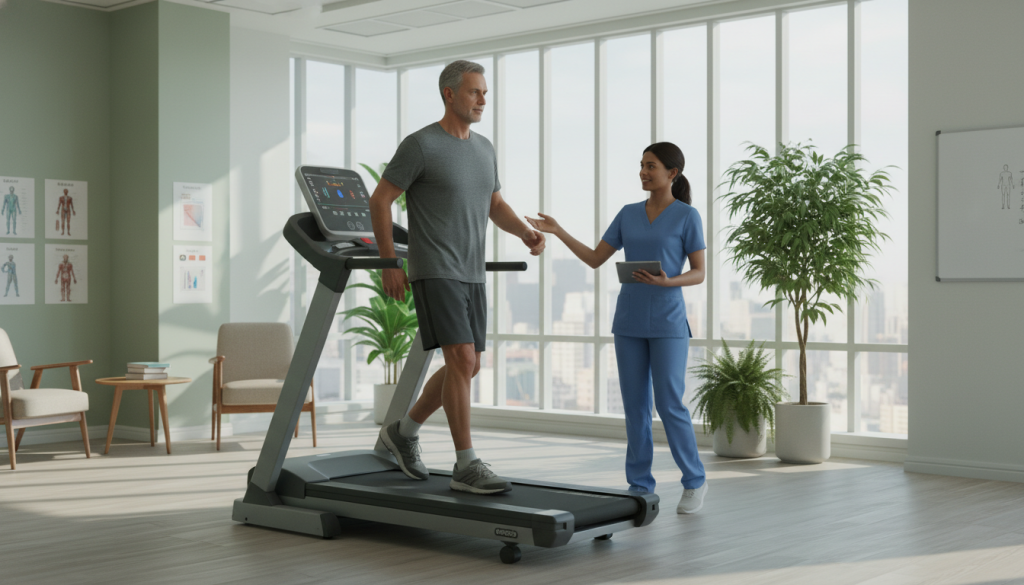
Regular movement therapy is key to keeping up the good work done in rehab. We make these exercises fit into each patient’s daily life. This helps them keep up their progress with easy, doable activities. It builds long-term strength and health.
We focus on walking recovery programs that grow with each patient. These plans help patients keep up their physical gains at home. We think being active all the time is the secret to lasting success.
| Strategy | Primary Benefit | Frequency |
|---|---|---|
| Gait Training | Improved Stability | Daily |
| Resistance Exercises | Muscle Retention | 3x Weekly |
| Balance Drills | Fall Prevention | Daily |
| Flexibility Routines | Joint Mobility | Twice Daily |
Sustaining Momentum in Your Recovery Journey
Long-term mobility needs a strong focus on health that goes beyond a clinic. Our rehabilitation center sets the stage for your physical freedom with proven methods.
Staying active with your recovery plan is key to lasting success. We help by providing tools that connect your care in the clinic to your life at home.
Recovering from brain injuries is a long journey that needs time and expert help. Our team is here to support you as you move towards living on your own.
We encourage you to contact our specialists to talk about your ongoing needs. Your journey to lasting mobility begins with dedication and the right support.
FAQ
Q: How does a rehabilitation center identify progress that a patient might not initially notice?
A: Our center uses science and careful watching to spot small improvements. We look for tiny steps forward that might not be seen right away. This way, we track every bit of progress with great detail.
Q: What is the significance of tracking progress at the cellular and systemic levels?
A: Watching changes at the cell level helps us fine-tune care plans. Our team uses this knowledge to improve motor skills and build patient confidence. They do this by setting milestones based on solid data.
Q: How does advanced physiotherapy help in detecting micro-gains in mobility?
A: Advanced physiotherapy is a key tool for spotting small changes. It uses special techniques to see how muscles work and how movement improves. These small steps show how far a patient has come, even if they don’t feel it themselves.
Q: What role does neuroplasticity play in early motor recovery?
A: Neuroplasticity lets the brain adapt and change after an injury. We focus on stimulating these changes early on. This helps patients regain function and independence in the long run.
Q: How is medical technology integrated into the assessment of patient progress?
A: We use advanced tech like sensors and digital systems to get accurate data. This tech helps us make sure our decisions about walking recovery are based on solid facts.
Q: Does walking recovery focus exclusively on the gait cycle?
A: No, we look at more than just walking. We also focus on balance, core strength, and posture. This approach helps patients move more naturally and sustainably.
Q: Can psychological shifts serve as indicators of physical healing?
A: Yes, a better mental state often comes before physical improvements. We support both the mind and body to help patients reach their recovery goals.
Q: Why is sensory feedback emphasized in spinal rehab?
A: Sensory feedback is key for retraining the nervous system. Our team uses specific sensory inputs to help patients regain awareness of their limbs. This is essential for restoring coordination and complex movements.
Q: How do AI therapy and predictive analytics influence patient outcomes?
A: AI and analytics help us predict outcomes and tailor treatments. They spot when progress might slow down, so we can adjust plans for better results.
Q: What is the focus of movement therapy regarding muscle activation?
A: Movement therapy focuses on precise muscle use. Our therapists guide patients through exercises to engage the right muscles. This prevents bad habits and promotes healthy strength.
Q: How does autonomic nervous system regulation affect neuro recovery?
A: Keeping the autonomic nervous system stable is important for effective therapy. We use AI to monitor stress levels, ensuring the nervous system is ready for healing and comfort.
Q: What are the primary challenges in managing a modern rehabilitation center?
A: Running a high-acuity center is tough. It’s about balancing complex care with green infrastructure. We meet these challenges with innovation and a commitment to excellence.
Q: What evidence-based strategies are used for long-term mobility maintenance?
A: We focus on consistent therapy and walking programs that fit a patient’s life. These strategies help keep mobility gains going even after treatment ends.
Q: How can patients sustain momentum throughout their recovery journey?
A: Staying consistent is key. By sticking with our treatment plans and using our resources, patients can move from intensive care to independent living. This ensures lasting recovery.