What Is The Prognosis For Children With Heart Tumors?
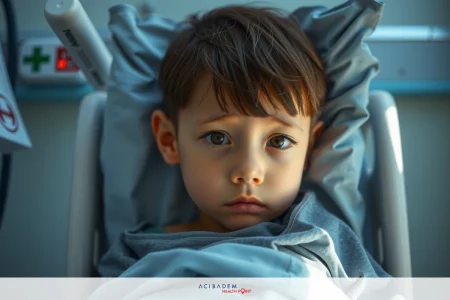
What Is The Prognosis For Children With Heart Tumors? What Is The Prognosis For Children With Heart Tumors? Children with heart tumors face a unique set of challenges and their families often seek hope in knowing what to expect. Doctors do their best to offer an outlook based on treatments that are currently available. Every child’s situation is different making it important to speak directly with medical professionals who can give advice tailored to individual cases. Advances in medicine continue to improve chances for recovery and overall health outcomes. Families should consult their insurance company regarding coverage details without assuming any specific criteria.Understanding how treatments may affect a child’s future requires clear communication between parents and healthcare teams. It’s essential for families to learn about various options and consider them carefully when planning care strategies. Survival rates have improved over time thanks to better technology and deeper knowledge within the field of pediatric oncology. Support networks play a large role in helping both patients and caregivers through this journey toward wellness.
Resources are plentiful for those needing more information or assistance during tough times dealing with childhood heart conditions. Organizations dedicated to supporting such families can be incredibly helpful by providing guidance, emotional support, or simply being there as someone who listens without judgment.
Treatment Options
Treatment options for children with heart tumors vary based on individual cases. Doctors often start by assessing the tumor’s size, location, and type. They then craft a plan that may include surgery to remove the tumor if it is safe to do so. Other treatments could involve chemotherapy or radiation therapy aimed at shrinking the growth.
In some situations a combination of therapies offers the best chance for improving prognosis and survival. This approach uses different methods at various stages of treatment. For example chemotherapy might be used before surgery to reduce the tumor’s size. Afterward radiation could help eliminate any remaining cancer cells.
Newer techniques are also being explored to treat heart tumors in children more effectively. These can include targeted therapy drugs that focus specifically on cancerous cells without harming healthy ones as much as traditional methods do. Clinical trials offer access to cutting-edge treatments that aren’t widely available yet but show promise in early studies.
When considering treatment options for their child parents have resources they can turn to for guidance and support. It’s important they talk with their healthcare team about what each type of treatment entails and how it relates to their child’s unique prognosis. Making informed decisions helps manage expectations while striving for the best possible outcome.
Survival Rates
Survival rates for children with heart tumors can give families an idea of what to expect. These rates are based on past outcomes of many children who had these types of tumors. They take into account how long those children lived after their diagnosis and treatment. It’s important to note that survival rates are general figures and each child’s prognosis may vary.
Factors such as the type and stage of the tumor play a crucial role in survival prospects. Early detection often leads to better outcomes making regular check-ups essential. The location of the tumor within the heart also affects which treatments are possible and how effective they might be. A child’s overall health apart from the tumor influences recovery chances.
Advancements in medical technology have improved survival rates over time for pediatric heart tumors. As new treatments develop doctors gain more tools to fight these conditions effectively. This is why keeping up to date with current research is beneficial for healthcare providers working with affected families.
Parents seeking information on survival should talk openly with their child’s doctor about statistics relevant to their situation. While numbers provide a framework personalized care remains key in determining a child’s specific prognosis after treatment for heart tumors. Understanding these details helps parents prepare for future challenges while nurturing hope during tough times.
Supportive Care
Supportive care is vital for children undergoing treatment for heart tumors. It focuses on the child’s comfort and emotional well-being not just their physical health. Such care includes pain management, psychological support, and help with side effects from other treatments. Having a team of caregivers dedicated to this aspect can greatly improve a child’s quality of life.
This type of care also extends to families who need assistance during their child’s illness. Resources might include counseling services or support groups where parents can share experiences and advice. Social workers often play an essential role by connecting families with these kinds of services that ease the journey through treatment.
Another key part of supportive care is ensuring kids remain kids even while sick. Activities tailored to each child’s interests help maintain normalcy in their lives despite hospital visits or long recovery periods at home. Educational resources keep them connected to learning which is important for development and a sense of routine amidst uncertainty about prognosis and survival after heart tumor treatments.
Research Advances
The field of pediatric oncology is seeing significant research advances in treating heart tumors. Scientists are developing more precise ways to diagnose these conditions early on which is crucial for treatment success. They’re also exploring genetic factors that could influence why certain children develop heart tumors. This research might lead to personalized treatments based on a child’s unique genetic makeup.
New therapies are being tested that target tumor cells without harming healthy ones nearby. These include drugs designed to cut off the blood supply feeding the growth of the tumor or immunotherapies that boost the body’s natural defenses against cancer cells. Such innovations aim to increase survival rates while reducing side effects from traditional treatments.
Clinical trials play a key role in bringing new treatments from the lab into real world practice. Children who participate can access groundbreaking therapies not yet widely available. These studies also help doctors learn what works best and can change how future heart tumors in children are treated.
Technology advancements extend beyond medications and into surgical procedures. Surgeons use robotic systems for greater precision during operations aiming at complete removal of heart tumors where possible with less impact on small bodies still growing.
Frequently Asked Questions
What are the main factors that affect a child's prognosis with a heart tumor?
Key factors include the type and stage of the tumor, its location, how quickly it’s growing, and the overall health of the child.
Can children with heart tumors lead normal lives after treatment?
Many children can lead normal lives post-treatment. It depends on individual circumstances like treatment success and long-term effects.
How often should a child be monitored after treatment for a heart tumor?
Monitoring schedules vary but typically involve regular follow-ups with healthcare providers to check for recurrence or late side effects from therapy.