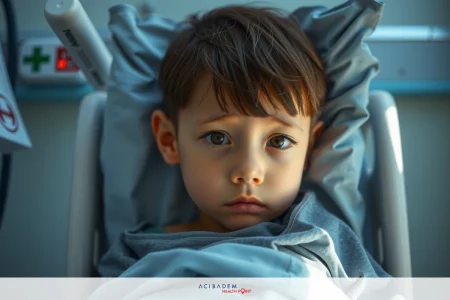
What Is The Prognosis For Children With Germ Cell Tumors?
What Is The Prognosis For Children With Germ Cell Tumors? Germ cell tumors in kids can be a source of worry. It’s good to learn about what may happen after they find out they have this health problem. Treatments are there that help many children get better. Doctors and nurses work hard to give care that works for each child.Kids who face health challenges show us their strong spirit. When dealing with germ cell tumors families look for hope and answers. Learning about survival rates gives comfort during tough times. Support from others is also key in making it through the journey ahead.
After treatment kids need regular check-ups to stay healthy. These visits make sure everything is going well and no new concerns pop up. It’s part of keeping the future bright for brave young ones who’ve faced big health battles.
Treatment Options
For children with germ cell tumors treatment plans are tailored to each child. The type of tumor and how far it has spread matter a lot. Surgery is often the first step if the tumor can be removed safely. After surgery other treatments may follow to help ensure survival.
Chemotherapy is another common treatment for these tumors in children. It uses strong medicine to kill cancer cells or stop their growth. Doctors decide on the best drugs based on the child’s specific case. This treatment might come with side effects that need managing.
Radiation therapy is also an option though less commonly used in kids. It targets cancer cells in a specific area of the body. Its goal is to shrink tumors and kill cancer cells that might remain after surgery.
Some children may take part in clinical trials for new treatments. These studies give access to cutting-edge therapies not available widely yet. They offer hope for better prognosis and improved survival rates over time.
Survival Rates
Survival rates for children with germ cell tumors are quite encouraging. Most kids respond well to the treatments currently available. The prognosis often depends on the tumor’s type and stage at diagnosis. Early detection plays a key role in improving chances of survival.
For localized germ cell tumors, where cancer hasn’t spread, survival rates are higher. In these cases treatment can be very effective. Many children go on to live full lives after successful treatment. Regular follow-ups ensure ongoing health and early detection of any recurrence.
Advanced germ cell tumors might have lower survival rates due to complexity. However, even in these situations, there is hope thanks to modern medicine’s advances. Children with advanced disease still benefit from individualized care plans aimed at maximizing their quality of life.
It’s also important to note that survival rates continue to improve over time as new treatments become available and more is learned about how best to fight these tumors in children. The medical community remains committed to increasing the likelihood of positive outcomes for all young patients diagnosed with germ cell tumors.
Supportive Care
Supportive care is key to the treatment of germ cell tumors in children. It includes any service that helps a child and family cope with the illness. This care can ease side effects, manage pain or help with emotional stress. Families find this support makes the treatment journey easier for their child.
The importance of supportive care lies in its holistic approach to health. Doctors look after not just the body but also a child’s mind and feelings. Activities like play therapy or counseling are often part of this type of care. These services help kids stay positive and strong during their treatments.
Supportive care extends to families too, not just patients. Parental support groups offer a place for sharing experiences and advice. Such spaces provide comfort knowing other families understand what they’re going through which is crucial for everyone’s well-being as they work toward a future where survival becomes an everyday reality.
Follow-Up Care
Follow-up care is a critical component of the post-treatment phase for children with germ cell tumors. This period involves regular medical check-ups to monitor health and any signs of recurrence. The significance of this step lies in its potential to catch issues early on when they’re most treatable.
Medical professionals typically create a schedule for these follow-up visits. They may include various tests, such as imaging scans or bloodwork, based on each child’s unique circumstances. These appointments are also an opportunity for families to discuss concerns and receive updates about their child’s prognosis.
During follow-up doctors assess the effectiveness of treatment and look out for late effects that could arise from therapy. It’s crucial to understand how treatments might impact long-term health so that any necessary interventions can happen promptly. Survival rates improve when comprehensive care continues even after active treatment ends.
The healthcare team will also focus on a child’s overall well-being during follow-up care sessions. Nutritional guidance, physical rehabilitation or psychological support services may be recommended depending on individual needs. This holistic approach ensures every aspect of recovery is addressed.
It’s important for parents and caregivers to keep records of all follow-up appointments and test results. Having this information easily accessible contributes greatly to coordinated care efforts among different healthcare providers involved in a child’s continued recovery journey from germ cell tumors.
Frequently Asked Questions
Q: What is the prognosis for children with germ cell tumors?
A: The prognosis varies depending on factors like tumor type and stage at diagnosis. With current treatments many children have a good chance of recovery.
Q: Are there different treatment options for germ cell tumors in children?
A: Yes, treatment can include surgery, chemotherapy, radiation therapy or participation in clinical trials based on individual needs.
Q: How does follow-up care contribute to a child's survival after germ cell tumor treatment?
A: Follow-up care ensures early detection of any recurrence and manages any long-term effects from treatments which improves overall survival chances.