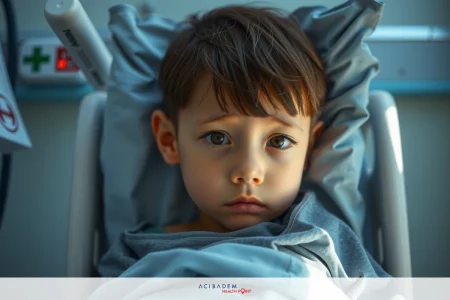
What Are The Long-term Effects Of Childhood Germ Cell Tumors?
What Are The Long-term Effects Of Childhood Germ Cell Tumors? What Are The Long-term Effects Of Childhood Germ Cell Tumors? Childhood brings many joys and challenges. When a child faces health problems it can affect their whole life. Germ cell tumors in children may lead to different outcomes as they grow up. Doctors work hard to help these young patients get better. Families often think about what comes after treatment ends.Many kids who had germ cell tumors live full lives after they recover. They go to school, make friends, and play like other kids do. Some may need more care even after they beat cancer. It’s important for them to see their doctor regularly over time. Parents play a big role in keeping track of their child’s health needs.
It’s good news that most children with germ cell tumors get well with treatment. Yet there might be some lasting impacts on their health down the line. Kids who have been through cancer treatments should stay active and healthy as possible. A strong support network helps families deal with any challenges that come up.
Survival Rates
Survival rates for childhood germ cell tumors have improved a lot. Thanks to better treatments more kids are getting healthy again. Doctors use these numbers to guess a child’s chances of recovery. But remember each child is unique and so is their health journey.
Knowing survival rates can give families hope. It helps them see the progress made in treating childhood cancer. Long-term effects depend on many things like age and tumor location. Health teams work closely with children to keep an eye on their well-being.
The word “prognosis” may sound scary to some parents. It actually means what doctors think will happen with a child’s health over time. For those facing germ cell tumors the prognosis has become much brighter recently.
Research keeps finding new ways to fight childhood cancer every day. Children who beat germ cell tumors often grow up strong and active. Families should talk with their doctors about what these survival rates mean for them specifically.
Treatment Options
For children with germ cell tumors there are several treatment paths. Surgery is often the first step to remove the tumor if possible. After surgery doctors may suggest more care to help keep the cancer away. Each child’s health and type of tumor guide what treatment they get.
Chemotherapy uses drugs to kill or stop cancer cells from growing. It can be tough but it helps many kids beat their tumors. Some children might feel sick or tired during chemo treatments. Their medical team will support them through these side effects.
Radiation therapy is another way doctors treat germ cell tumors in children. This method targets cancer cells in a specific body part using high-energy rays. Doctors always aim to protect a child’s healthy tissues as much as they can.
Treatments for childhood cancers like germ cell tumors have come a long way. Teams of specialists plan each child’s treatment very carefully for the best outcomes. Parents should know that health teams do everything to

improve their child’s condition while reducing long-term effects on their health.
Monitoring and Follow-Up
After treatment monitoring is key to keeping children healthy. Regular check-ups are part of this careful watch. Doctors look for signs that the tumor hasn’t come back. They also check for any side effects from the treatment. This helps catch any problems early on.
Follow-up care goes beyond just health checks. It includes support for the child’s emotional well-being too. Kids may need help getting back to their daily lives after cancer treatment. Schools and friends play a big role in making life normal again.
Health teams often teach families how to spot warning signs at home. Knowing what changes to watch for can ease parents’ worries a bit. These regular visits become less frequent as time goes by if everything stays well with the child’s health.
Support Services
Support services play a crucial role for families during a child’s illness. They offer help beyond the hospital like counseling and family support groups. These resources provide comfort to both children and parents alike. Trained professionals understand the challenges these families face.
Family support can ease the journey through childhood cancer treatment. Programs might include financial aid, transportation help, or home care assistance. This kind of backing allows families to focus more on their child’s recovery. It also helps in reducing stress that comes with managing day-to-day life.
Counseling is another important service offered to these families. Therapists who know about childhood cancer can guide them through tough emotions. Kids may also benefit from talking with someone about their feelings and fears.
Educational services ensure that children keep up with schoolwork during treatment. Tutors specialized in working with sick kids can visit homes or hospitals. This helps maintain a sense of normalcy for children undergoing treatment.
Lastly many hospitals have social workers who connect families with necessary services. They are there to make sure no one has to navigate this path alone. With their guidance accessing various forms of support becomes easier for everyone involved.
Frequently Asked Questions
What are germ cell tumors in children?
Germ cell tumors are rare cancers that can form in the reproductive cells of a child's body.
How common are germ cell tumors in childhood?
They're not very common compared to other types of childhood cancer but they do occur.
Can childhood germ cell tumors be cured?
Yes, with proper treatment, many cases can be cured. The success rate depends on various factors.