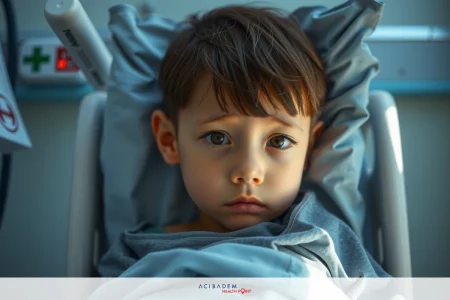
What Are The Common Symptoms Of Childhood Germ Cell Tumors?
What Are The Common Symptoms Of Childhood Germ Cell Tumors? Childhood germ cell tumors can be hard to spot early on. Often they show up in ways that seem like normal kid troubles or growing pains. A child might start to get headaches often and these may come with feeling sick to the stomach or throwing up. It’s important for parents and doctors alike to keep an eye out for signs that are out of the ordinary.Sometimes a young one might say they’re seeing things blurry or double which is not something you’d expect from a healthy child’s eyesight. If your kid starts having vision trouble without any clear reason it could point toward something more serious than just needing glasses. Keeping track of changes in how well kids see is key to catching problems fast.
Another thing parents should watch is how their children grow and change as they get older. Tumors can mess with hormone levels and cause kids’ bodies to develop too fast or slow down when they shouldn’t be slowing at all. When growth seems off track, whether it’s too quick or delayed, getting advice from a health expert can help figure out why this might be happening.
Headaches
Headaches in kids are not always just from a long day of play. They can be one of the symptoms when we look at childhood germ cell tumors. A child with these kinds of headaches might feel them often and they may seem worse in the morning or after lying down.
The pain from these headaches can make a child feel very sick. It’s more than just your usual headache because it comes along with nausea too. When this happens kids might not want to eat or play like they normally would.
Sometimes the headaches get so bad that vomiting follows after feeling nauseous. This is tough on little ones and scary for parents too. If you see this happening more than once or twice it’s time to talk to a doctor about whether germ cell tumors could be involved.
Keep an eye out for how often your child says their head hurts. Notice if there are other signs like changes in balance or sleepiness during times they’d usually be wide awake and active. These clues help doctors figure out what’s causing these symptoms and if they relate to childhood germ cell tumors.
Vision Problems
Children might not always tell you straight up that they’re having trouble seeing. But vision problems can be a symptom of something like germ cell tumors. Double vision or blurry spots are signs to watch for especially if they come out of nowhere.
If your child squints more than usual or rubs their eyes a lot don’t just brush it off. These could be hints that the optic nerve is under pressure from something not quite right inside. It’s wise to get these symptoms checked by an eye doctor as soon as possible.
A tumor affecting the optic nerve might change how a child sees colors and shapes too. They may bump into things more often or have trouble catching a ball. Such changes in sight need attention because kids rely on clear vision for so much of what they do every day.
Even little complaints about things looking weird should be taken seriously in children. A quick check-up can ease your mind or catch issues early on when it’s easier to help fix them. Remember prompt action can make all the difference when dealing with symptoms linked to childhood germ cell tumors.
Hormonal Changes
When a child’s body grows too fast or seems stuck in time it could be more than just a quirky growth spurt. Germ cell tumors can throw off the hormones that help kids grow up at a steady pace. If your little one hits puberty way earlier than their friends it might be time to ask some questions.
On the flip side, if they’re not growing as expected or their friends tower over them suddenly, don’t ignore it. These hormonal changes need checking out because they can point to germ cell tumors.
Remember these shifts in development are clues you shouldn’t miss. If you notice anything odd about your child’s growth or puberty timing have a chat with their doctor. They can run tests to see if hormones are dancing to the wrong tune and why that might be happening during childhood.
Behavioral Changes
When a child’s mood starts to swing like a pendulum it’s easy to chalk it up to just a phase. Yet these behavioral changes could be symptoms hinting at germ cell tumors. If your usually sunny child is now quick to anger or tears without clear reasons take note.
Irritability in children can stem from many sources, but when it’s sudden and severe, it warrants attention. Persistent shifts in behavior are especially concerning if they come with no warning. These signs go beyond the realm of typical childhood ups and downs.
Children might also start withdrawing from friends or activities they once loved. This isn’t just shyness; such withdrawal can be a sign that something internal is affecting them. It’s important not to overlook these changes as they may point toward underlying health issues.
Some kids may have trouble focusing on tasks or show declining performance in school as part of these behavioral shifts. While every child has off days consistent problems should prompt further investigation for potential medical causes like germ cell tumors.
It’s crucial for parents and educators alike to understand the link between certain behaviors and possible health concerns during childhood. Quick action and open discussions with healthcare professionals can lead to early detection of symptoms related to germ cell tumors.
Treatment Options
When it comes to treating childhood germ cell tumors the first step is always a proper diagnosis. This starts with talking to a healthcare provider who can guide you through tests and scans. These medical professionals understand the symptoms and know what they’re looking for.
After confirming the diagnosis your child’s doctor will discuss treatment options with you. They might suggest surgery, chemotherapy, or radiation therapy depending on what they find. It’s crucial to work closely with your healthcare team to choose the best course of action.
Each case is unique so treatments are tailored specifically for each child. Your healthcare provider will consider many factors like age, overall health, and how far the tumor has progressed. It’s important that treatment decisions are made carefully to suit your child’s needs.
Understanding your insurance coverage is also key as it can affect access to certain treatments. Be sure to contact your insurance company early on so there are no surprises later in the process. Your healthcare team may have experience dealing with these matters and could offer helpful advice too.
Ultimately partnering with a knowledgeable healthcare provider ensures that every avenue for treating germ cell tumors in childhood is explored thoroughly. With their expertise guiding you along this challenging journey finding an effective treatment plan becomes more manageable.
What Are The Common Symptoms Of Childhood Germ Cell Tumors? :Frequently Asked Questions
What are the first signs of childhood germ cell tumors?
The first signs can include headaches, nausea, vomiting, vision problems or hormonal changes.
How are childhood germ cell tumors diagnosed?
Tumors are usually diagnosed through medical imaging tests and biopsies conducted by healthcare providers.
What treatment options are available for children with germ cell tumors?
Treatment may involve surgery, chemotherapy or radiation therapy, depending on individual circumstances.