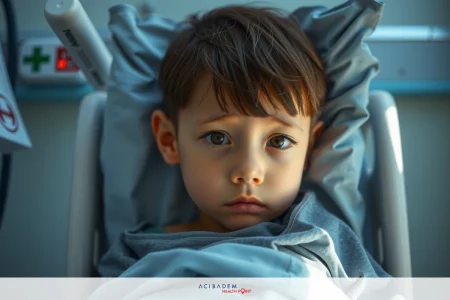
Myopic Craniosynostosis in Depth
Myopic Craniosynostosis in Depth Myopic craniosynostosis is a rare and complex condition. It affects how the skull grows in babies and kids. It’s important to understand this condition well because it has big effects on kids and their families.
We will look closely at myopic craniosynostosis in kids. We’ll talk about why catching it early is key, the treatments available, and the need for special care. This deep dive into craniosynostosis sets the stage for more detailed info later on.
Understanding Myopic Craniosynostosis
Myopic craniosynostosis is a special type of craniosynostosis. It doesn’t mean poor eyesight. Instead, it talks about unique head problems in kids.
This condition happens when parts of the skull fuse too early. This stops the skull from growing right. It can cause serious issues. Knowing about myopic craniosynostosis helps doctors find the best way to treat it.
It’s important to know how myopic craniosynostosis is different from other craniosynostosis types. Experts like the American Academy of Pediatrics highlight this. They show why knowing the differences is key for early and right treatment.
For parents and doctors, knowing about this condition helps spot problems early. It means getting help fast. Understanding myopic craniosynostosis helps manage and support kids with it better.
Causes and Risk Factors of Myopic Craniosynostosis
Myopic craniosynostosis is a complex condition with many factors. Knowing about myopic craniosynostosis causes and craniosynostosis risk factors helps find it early. Both genes and the environment play big roles in this condition.
- Genetic Predispositions: Genes are a big part of myopic craniosynostosis. Mutations in genes like FGFR2 and FGFR3 cause cranial sutures to fuse wrongly. If your family has it, you’re more likely to get it too.
- Environmental Factors: Things you’re exposed to during pregnancy can also raise your risk. Drinking, drugs, and some medicines during pregnancy are linked to it.
- Prenatal Influences: How you develop before birth matters a lot. Your mom’s health and care during pregnancy affect your risk.
- Associated Conditions: Some conditions like Apert, Crouzon, and Pfeiffer syndrome are closely linked to craniosynostosis. This shows why genetic tests and advice are important.
Studies are helping us learn more about myopic craniosynostosis causes. Experts at places like the Mayo nd Johns Hopkins University are finding out how genes, environment, and prenatal health interact. Knowing the craniosynostosis risk factors helps doctors treat it better early on.
| Factor | Details |
|---|---|
| Genetic Mutations | Mutations in FGFR2, FGFR3 genes |
| Environmental Exposures | Alcohol, drugs, certain medications during pregnancy |
| Prenatal Health | Maternal nutrition, exposure to toxins, overall health |
| Associated Syndromes | Apert, Crouzon, Pfeiffer syndromes |
Recognizing Craniosynostosis Symptoms
It’s very important to spot craniosynostosis symptoms early. This helps with better treatment and outcomes. The signs of myopic craniosynostosis can be different for everyone. So, it’s key for parents and doctors to know what to look for.
Visual Signs in Newborns
When babies are born, they might show signs of myopic craniosynostosis. Parents should watch for unusual head shapes. Look for:
- Elongated or asymmetrical head shapes
- Noticeable ridges along cranial sutures
- A flattened forehead or brow
Doctors use these signs to spot craniosynostosis early. Regular check-ups with a pediatrician help catch these signs fast.
Impact on Craniofacial Development
If craniosynostosis is not treated, it can affect how the face grows. This might lead to:
- Facial Asymmetry: The face might not grow evenly.
- Ocular Concerns: Eyes might not line up right, causing vision issues.
- Jaw Misalignment: Teeth and jaw might not fit together right, needing orthodontic help.
Knowing these risks shows why catching craniosynostosis early is crucial. Early diagnosis helps doctors fix problems before they get worse.
| Symptoms | Signs in Newborns | Impact if Untreated |
|---|---|---|
| Misshapen Skull | Elongated or asymmetrical head | Facial asymmetry |
| Visible Ridges | Ridges along sutures | Ocular concerns |
| Flattened Forehead | Flattened brow area | Jaw misalignment |
Diagnosing Myopic Craniosynostosis
Diagnosing myopic craniosynostosis is a detailed process. Pediatric healthcare providers examine the child carefully. This helps find the condition and plan the right treatment.
Initial Pediatric Assessment
A pediatrician starts by checking the baby’s head shape and growth. They look for any unusual features. They also ask about the family’s health history and any issues during pregnancy or birth.
This early check is key to spotting possible problems with the skull.
Advanced Imaging Techniques
After the first check, more tests are done to see the skull clearly. CT scans and MRIs are used to confirm the diagnosis. These tests show detailed images of the skull.
Experts in radiology and pediatric neurosurgery look at these images. They make sure they understand the skull’s structure and any issues well.
Craniosynostosis Treatment Options
When looking at craniosynostosis treatment options, each plan is made just for the patient. It depends on the patient’s needs and how bad the condition is. Some cases might not need surgery, but will need special treatments and checks to help the bones grow right.
But, many times, surgery is the main way to treat craniosynostosis. Surgery fixes the early fusion of bones in the skull. This lets the brain and skull grow like they should. Surgeons use different methods, like endoscopic surgery for small cuts, or the older way of reshaping the skull.
New tech and better surgery tools have made treatments safer and recovery faster. People who have gone through it say it really helps. Doctors and parents agree that picking the right treatment is key.
Here’s a look at some craniosynostosis treatment options:
| Methodology | Description | Benefits | Considerations |
|---|---|---|---|
| Non-Surgical Treatments | Includes helmet therapy and regular monitoring. | Non-invasive; may suffice for mild cases. | Not suitable for severe conditions; long-term commitment required. |
| Endoscopic Surgery | Minimally invasive approach using small incisions. | Quicker recovery, less scarring. | Best for younger infants; requires expert surgical skill. |
| Cranial Vault Remodeling | Traditional surgery to reshape the skull. | Comprehensive correction possible. | Longer recovery time; more invasive. |
It’s important to have a treatment plan that fits the patient’s unique needs. Whether it’s surgery or other treatments, it should match the patient’s condition. Talking to experts helps make the best choice for better results.
Myopic Craniosynostosis Surgery: What to Expect
Getting myopic craniosynostosis surgery is a big step. It needs careful planning and attention. This part will tell you what to expect, from getting ready to recovering and aftercare.
Pre-Surgical Preparations
Getting ready for surgery means doing a few important things. This makes sure the patient is healthy and ready. The main steps are:
- Nutritional Guidelines: Eating foods full of vitamins and minerals helps the immune system and healing.
- Health Assessments: Doctors will check your health with blood tests and scans to make sure you’re ready for surgery.
- Pediatric Consultations: Talking with pediatric experts helps to answer questions and plan the surgery.
Post-Surgical Care
After surgery, there are steps to help you heal and check on your progress. Important parts of aftercare are:
- Observation Period: You’ll stay in the hospital to watch your health closely right after surgery.
- Healing and Rehabilitation: You’ll see doctors often to see how you’re healing and how your face is growing.
- Parental Guidance: Your parents will get help on how to take care of you at home, like looking after the wound, giving medicine, and what activities to avoid.
Working together, neurosurgeons, pediatricians, and care teams make sure you get the best care before and after surgery. They help families feel supported during the whole process.
| Phase | Key Activities | Purpose |
|---|---|---|
| Pre-Surgical | Nutritional Guidelines, Health Assessments | Prepare patient for surgery |
| Post-Surgical | Observation, Rehabilitation, Parental Guidance | Facilitate healing and recovery |
The Role of a Myopic Craniosynostosis Specialist
A myopic craniosynostosis specialist is key for treating this complex condition. They know a lot about brain and face surgery. This helps them give full care from start to after surgery.
Qualifications and Expertise
- Medical Degree and Surgical Residency
- Fellowship in Craniofacial Surgery
- Extensive experience in managing craniosynostosis cases
These experts work with many doctors to make a full treatment plan. They focus on looks and how well the brain and eyes work. This makes sure the patient gets better in many ways.
Responsibilities
- Perform detailed diagnostic evaluations
- Design and perform surgical interventions
- Coordinate multidisciplinary care
An myopic craniosynostosis specialist with lots of experience is key for good surgery results. They use the latest imaging to plan surgeries carefully. This lowers risks and helps patients heal faster. They also keep learning about new surgery methods to help patients the best they can.
The following table shows what a myopic craniosynostosis specialist does:
| Area | Contribution |
|---|---|
| Diagnosis | Use imaging and checks to find myopic craniosynostosis correctly. |
| Surgical Planning | Make detailed plans for surgery to fix looks and function. |
| Multidisciplinary Coordination | Work with many doctors for full care. |
| Post-Operative Care | Keep an eye on growth and healing after surgery. |
| Patient and Family Support | Help patients and their families during treatment. |
Choosing a specialist who knows about craniofacial surgery experts and myopic craniosynostosis can really help. Families should look for doctors with a good track record in this area. This way, they can get the best care for their loved ones.
Long-Term Outcomes and Prognosis
It’s important for parents and caregivers to know about the long-term effects of myopic craniosynostosis. This section talks about what to expect, possible problems, and how kids will develop after treatment. We’ll look at follow-up care and how to help kids reach their milestones.
Follow-Up Care
Regular check-ups are key for kids with myopic craniosynostosis. Doctors suggest seeing specialists often to watch the growth of the face and head. They also want to catch any problems early.
- Routine eye exams to slow down myopia
- Head circumference checks
- Tests to see how the brain and body are growing
- Imaging to make sure the skull is growing right
These visits help doctors change treatment plans if needed. This ensures kids get the best care possible.
Managing Developmental Milestones
Watching how kids with craniosynostosis grow is important. Early help can make a big difference. Here are some ways to support kids:
- Physical therapy to improve movement
- Speech and language therapy if needed
- Occupational therapy for everyday tasks
- Special education programs for their needs
Helping kids reach their milestones makes their lives better.
Studies and family stories show that with good care, kids with craniosynostosis can do well. Here’s a table that shows the difference good care makes:
| Aspect | With Consistent Follow-Up | Without Consistent Follow-Up |
|---|---|---|
| Cognitive Development | Like other kids | May be behind |
| Physical Growth | Grows normally | Growth can be slow |
| Social Skills | Makes friends easily | May struggle in social situations |
Regular check-ups and support greatly improve the future of kids with myopic craniosynostosis. This leads to a happy and full life for them.
Parenting a Child with Myopic Craniosynostosis
Raising a child with myopic craniosynostosis is special. It comes with its own set of challenges and chances. Knowing how to parent well can really help. Here are some key tips:
- Daily Caregiving: Keep an eye on your child’s health with regular doctor visits. Make sure daily activities include exercises that help their face grow right.
- Addressing Challenges: Issues like eating problems, sleeping issues, or delays need special plans. Work with experts like nutritionists or therapists for the best advice.
- Fostering a Supportive Environment: Make a caring and welcoming place for your child. Talk with them in ways that make them feel safe and heard.
- Accessing Specialized Resources: Use support groups and educational tools for great help. Groups like FACES: The National Craniofacial Association offer lots of advice and resources.
- Advocating for Needs: Be your child’s voice by working with teachers, doctors, and therapists. Keeping good records and talking clearly can help meet their needs.
Talking to other parents can really help. Many find comfort in support groups, getting empathy and useful tips. Working with child psychologists also adds more support, helping kids deal with feelings and grow strong.
By using these parenting tips and offering full support, families can make a caring and strong environment for their kids.
Latest Research and Advances in Myopic Craniosynostosis
In recent years, big steps have been made in treating myopic craniosynostosis. New treatments are being tested, giving hope to patients and their families. One big step is using 3D printing for surgery planning. This makes surgeries more precise and lowers the risk of problems.
Studies now focus on the genes behind myopic craniosynostosis. At places like Harvard Medical School, they found genes linked to the condition. This could lead to new treatments that work better and earlier for patients.
Experts at the Mayo re making surgery less invasive. They use endoscopic methods to cut down on recovery time and scars. Also, they’re looking into stem cells to help bones heal after surgery. As research goes on, families with myopic craniosynostosis can expect better care soon.
FAQ
What is Myopic Craniosynostosis?
Myopic craniosynostosis is a condition that affects how the skull grows in kids. It changes the head's shape and can cause other problems.
How is Myopic Craniosynostosis Diagnosed?
Doctors first check the child. Then, they use CT scans or MRI to confirm the diagnosis.
What are the Symptoms of Myopic Craniosynostosis?
Kids with this condition may have a skull that's not shaped right. They might have a big forehead and their head grows oddly. If not treated, it can affect how the face grows too.