


Dealing with reproductive health issues can be tough for many. We say Male Infertility happens when a man can’t help conceive after a year of trying without protection.
It’s important to see this as a medical condition, not a personal failure. We aim to give you a solid base of knowledge. This will help you understand your reproductive health better.
Getting professional help is the first big step to finding answers. We’re here to guide you through these tough times with care and understanding.
Key Takeaways
- Reproductive health challenges are common and often manageable with expert support.
- The condition is defined by the inability to conceive after one year of regular, unprotected intercourse.
- Viewing this as a medical diagnosis, not a personal failure, is key for your mental health.
- Professional medical evaluation is the most effective way to identify underlying causes.
- Empowerment starts with knowing your body and making informed healthcare choices.
Understanding the Biological Basics of Male Fertility
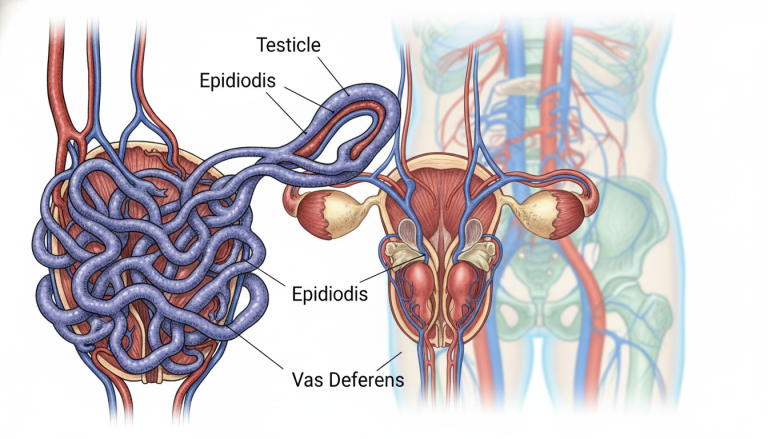
Learning how the body makes sperm is key to spotting male infertility factors. This journey, called spermatogenesis, happens in the testes. It needs a perfect environment to work right.
It starts with making immature cells that grow into healthy sperm. These cells then travel through ducts, getting ready to swim and fertilize an egg. Hormones like testosterone and follicle-stimulating hormone (FSH) control this whole process.
When these hormones or pathways get messed up, it can cause male infertility factors. Knowing how these functions work helps you spot when something’s off. We think knowing your body is the best way to take care of it.
| Biological Component | Primary Function | Impact on Fertility |
|---|---|---|
| Testosterone | Supports sperm production | Regulates libido and development |
| FSH | Stimulates germ cells | Essential for sperm maturation |
| Testes | Production site | Determines sperm quality and count |
| Ductal System | Transport and storage | Ensures delivery of healthy sperm |
Common Causes of Male Infertility
Finding out why male infertility happens can seem tough, but it’s doable. Many things can mess up sperm making or getting to the egg. Knowing what these are can help you feel more in control of your health.
Varicocele is a big one. It’s when veins in the scrotum get too big. This can make the testicles too warm. Sperm don’t like heat, so this can lower their count or how well they move.
Hormones are also key. If your body doesn’t make the right amounts of testosterone, sperm making can go wrong. This can stop you from getting pregnant, even if everything looks fine on the outside.
Here’s a quick look at the main problems:
| Category | Primary Impact | Clinical Significance |
|---|---|---|
| Varicocele | Scrotal vein enlargement | Increased testicular temperature |
| Hormonal Issues | Endocrine system imbalance | Impaired sperm production |
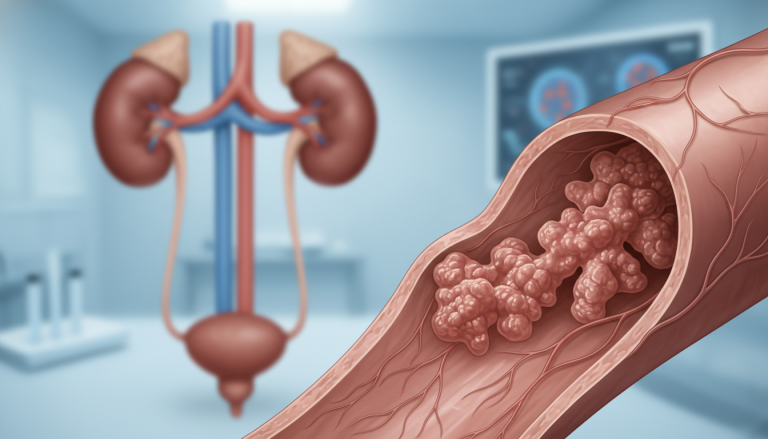
| Physical Obstruction | Blocked reproductive ducts | Interrupted sperm delivery |
We think it’s important to clear up what causes male infertility. Whether it’s something you can see or a hormone problem, there are ways to fix it. Knowledge is your greatest tool in starting a family. We’re here to help you understand these complex issues.
Genetic and Chromosomal Influences
Reproductive challenges often start with our inherited genes. Lifestyle choices are important, but our genetic blueprint shapes our bodies at a basic level. Understanding male infertility factors helps grasp our unique biology.
Chromosomal issues can affect sperm production. For example, Klinefelter syndrome happens when there’s an extra X chromosome. This can lower testosterone and harm sperm growth. Y-chromosome microdeletions are small genetic gaps on the Y chromosome, key for sperm making.
Remember, these genetic issues are completely out of your control. We share this to deepen your health understanding, not to worry you. Knowing these male infertility factors helps us tailor your care and explore reproductive options.
| Genetic Condition | Primary Impact | Effect on Fertility |
|---|---|---|
| Klinefelter Syndrome | Extra X Chromosome | Reduced sperm production |
| Y-Microdeletions | Missing DNA segments | Low or absent sperm count |
| Translocations | Rearranged chromosomes | Increased risk of miscarriage |
Lifestyle Factors and Environmental Impacts
Our environment and lifestyle choices play a big role in male infertility. While genetics matter, our daily habits can help or hurt our fertility. By understanding these factors, we can improve our health.
Smoking and drinking too much alcohol harm sperm quality. These habits can lower sperm count and make it hard for sperm to move. Small, consistent changes in your daily life can greatly improve your fertility.
Being overweight is another big issue for male infertility. Too much weight can mess with hormones, like testosterone and estrogen. Eating well and staying active helps keep hormones balanced and boosts fertility.
Environmental toxins are also a hidden threat to fertility. Chemicals, pesticides, and heavy metals can damage sperm DNA. Try to avoid these substances to protect your fertility.
To tackle male infertility, we need a whole-life approach. Focus on good nutrition, exercise, and avoiding harmful chemicals. Even small changes can make a big difference in your fertility future.
Medical Conditions Linked to Male Infertility
Many medical conditions can affect your ability to have children. Male infertility often shows up when there are bigger health problems. Looking at your medical history helps us find what’s stopping you from getting pregnant.
Chronic illnesses like diabetes mellitus can mess with sperm production. High blood sugar can damage nerves or upset hormone levels. Autoimmune diseases can also attack sperm, making it hard to conceive.

Past infections are also important for your fertility today. For example, mumps after puberty can cause testicle inflammation. This can harm the sperm-making tissues. Knowing this helps us make a better plan for your care.
| Medical Condition | Primary Impact on Fertility | Mechanism of Action |
|---|---|---|
| Diabetes | Reduced sperm quality | Hormonal and nerve impairment |
| Autoimmune Disorders | Sperm antibodies | Immune system attacks sperm |
| Post-pubertal Mumps | Testicular atrophy | Inflammation-induced tissue damage |
| Chronic Hypertension | Vascular complications | Reduced blood flow to organs |
Fixing these underlying issues is key to solving male infertility. We’re here to help you tackle these health challenges. By linking your medical history to your fertility dreams, we can find a way to improve your reproductive health.
The Diagnostic Process for Male Infertility
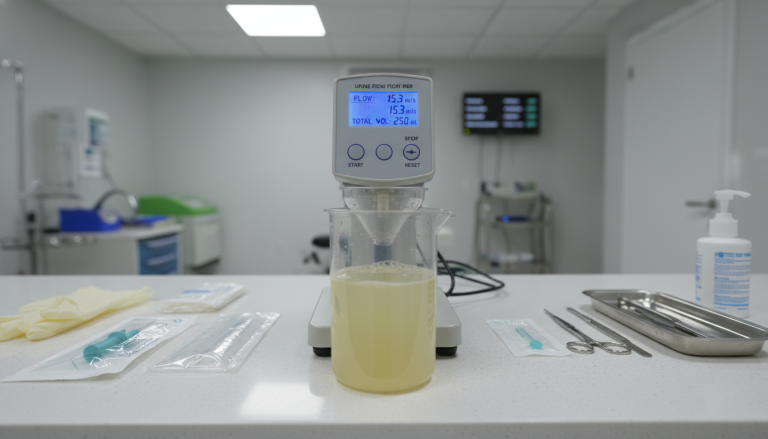
Understanding reproductive health starts with a male infertility diagnosis. We begin with a semen analysis, a key test for your reproductive health. This test gives us the data to check your sperm’s health and function.
We focus on two main things: sperm count and sperm concentration. The sperm count is the total number of sperm in one sample. It shows if your body can make healthy sperm cells.
Sperm concentration is how many sperm are in a milliliter of fluid. High density means better chances of getting pregnant. We check if your sperm count is within the fertility range.
Evaluating Sperm Motility and Morphology
We also check sperm quality through motility and morphology. Motility is how well sperm swim towards an egg. If they can’t swim fast or right, they might not reach the egg.
Morphology is about sperm size and shape. A healthy sperm has an oval head and a long, strong tail. Proper structure is key for sperm to get into the egg. Knowing these details helps you understand your test results better as you move forward with your male infertility diagnosis.
Advanced Male Infertility Tests
When basic tests don’t give clear answers, we use more detailed tools to understand your reproductive health. Standard male infertility tests are a good start, but they might not show the whole story.
Specialized tests help us find specific problems. This way, your treatment can be as precise and effective as needed.
Sperm DNA fragmentation analysis is a key tool. It checks the genetic health of sperm. High levels of DNA damage can stop fertilization or early embryo growth, even with normal sperm counts.
We also check your hormone levels with blood tests. These tests show how hormones affect your reproductive health. Finding small imbalances helps us tailor your care better.
Our aim is to give you the most accurate male infertility diagnosis. By using advanced tests, we get the details needed to help you on your path to becoming a parent.
Imaging Techniques in Fertility Assessment
We use modern imaging tools to see inside the male reproductive system. These male infertility tests help us find hidden problems. They let us see the organs that make and move sperm clearly.
Scrotal ultrasound is key for checking the testes and epididymis. It spots issues like varicoceles, which can harm sperm quality. Your comfort is our priority during these tests, and we make sure they’re easy and stress-free.
For a closer look at the reproductive ducts and prostate, we use transrectal ultrasound. This method is great at finding blockages in semen flow. These male infertility tests help us make a treatment plan just for you.
The table below shows the main imaging methods we use to check reproductive health and find blockages.
| Imaging Technique | Primary Focus Area | Purpose of Assessment |
|---|---|---|
| Scrotal Ultrasound | Testes and Epididymis | Detecting varicoceles or masses |
| Transrectal Ultrasound | Prostate and Ejaculatory Ducts | Identifying ductal obstructions |
| Doppler Imaging | Blood Flow Patterns | Assessing vascular health |
We think knowledge is the foundation of effective care. By using these advanced imaging methods and other male infertility tests, we can find the exact cause of problems. Our team is committed to giving you the clarity and support you need during your diagnostic journey.
When to Consult a Male Infertility Specialist
Knowing when to see a professional is key to your journey to parenthood. This journey is deeply personal, and seeking expert care is a vital step in your reproductive health. If you’ve been trying to conceive for over a year without success, it’s time to reach out to a male infertility specialist.
Some medical histories also call for an early consultation. You should schedule an appointment if you’ve had testicular trauma, previous surgeries in the pelvic or genital area, or known genetic conditions. These factors can greatly affect your reproductive health and need expert attention.
Working with a dedicated male infertility specialist gives you tailored guidance. These experts use advanced tools to find issues that might be missed. By choosing a specialist, you get a partner committed to finding solutions for your situation.
We’re here to support you in getting the specialized care you deserve. A male infertility specialist can offer a wide range of treatments to boost your chances of success. Taking this step shows strength and a commitment to your future family.
Surgical Solutions for Male Infertility
If physical obstructions block your way to having a child, surgery might be the answer. Our male infertility specialist team checks if surgery can fix these issues. We aim to guide you clearly toward your family dreams.
One common surgery we do is varicocelectomy. It fixes big veins in the scrotum that can harm sperm quality. By fixing this, we often see better sperm counts and quality, helping many men.

Another surgery we do is vasectomy reversal. It reconnects blocked pathways, letting sperm move freely again. We know this journey can feel tough, so we offer top-notch care every step of the way.
We also care about your comfort and peace of mind. Our team makes sure you know what’s happening before, during, and after surgery. Choosing a skilled male infertility specialist is key to a treatment plan that fits you.
These surgeries are key parts of our male infertility solutions. They tackle the main physical problems, helping many men regain their fertility. We’re committed to your health and success at every step.
Medical and Hormonal Treatment Options
Hormonal imbalances often cause reproductive challenges. We need precise medical care to fix these issues. By finding and fixing hormonal problems, we can help improve reproductive health.
For many, special medicines can help the body make healthy sperm. These might include hormone therapy or endocrine system boosters. We understand this process can feel overwhelming. That’s why we offer clear support and communication.
Everyone’s hormonal needs are different. A one-size-fits-all male infertility treatment plan doesn’t work for everyone. We create a plan that fits your health goals and body’s needs.
These treatments aim to balance your body’s internal functions. We watch your progress closely to make sure the treatment is safe and working. Personalized care is our top priority as we work to improve your fertility.
If you’re looking into fertility options, modern medicine has a lot to offer. Regular check-ups and adjustments to your male infertility treatment help us tailor your care. We’re here to help you make informed decisions with confidence.
Assisted Reproductive Technology and Male Infertility
If starting a family is tough, assisted reproductive technology can offer hope. These advanced medical procedures are male infertility treatment options when natural conception is hard. We aim to guide you through these complex processes with clarity and compassion.
Assisted reproductive technology, or ART, includes various techniques to help with fertilization. These male infertility solutions are made to overcome big biological hurdles. By using lab intervention, we can help get from diagnosis to parenthood.
In Vitro Fertilization (IVF) is a common procedure. Eggs are taken from the partner and mixed with sperm in a lab. Then, the fertilized embryos are watched before being put in the uterus.
For severe sperm quality issues, Intracytoplasmic Sperm Injection (ICSI) is suggested. This method involves injecting a single, healthy sperm into an egg. It boosts fertilization chances when other methods fail.
Knowing the differences between these procedures can boost your confidence in your treatment plan. Here’s a table that outlines the main goals of these common interventions:
| Procedure | Primary Goal | Best Used For |
|---|---|---|
| Standard IVF | Natural fertilization in a dish | Mild male factor infertility |
| ICSI | Direct sperm-to-egg injection | Severe sperm count or motility issues |
| Surgical Sperm Retrieval | Extracting sperm directly | Obstructive azoospermia |
Choosing between these options can be tough. Our team is here to support you in making informed decisions about your reproductive health. You’re not alone in your journey to build your family.
Psychological Impact and Emotional Support
Infertility is more than just a physical challenge. It affects your mind and heart deeply. Medical treatments help with the body, but the emotional side is just as important. You might feel stressed, anxious, and lonely when things don’t go as planned.
Your mental health is a top priority during this time. Recognizing these feelings is the first step to healing. Remember, you’re not alone, and asking for help is a sign of strength.
Talking openly with your partner is key. Sharing your fears and dreams can bring you closer. It’s important to create a safe space where both of you feel heard and understood.
If you’re struggling to manage your feelings, there are resources available. Counseling or support groups can offer comfort and connection. Connecting with others who understand can make you feel less alone.
We’re dedicated to providing holistic care for your body and mind. We’re here to support you every step of the way. If you need help finding emotional support, please reach out to us.
Prevention Strategies for Reproductive Health
Starting to take care of your reproductive health now is key to your future well-being. By being proactive, you can lower the risk of problems and help your body work better. Making small, consistent changes can lead to big benefits for your health.
It’s important to get regular health checks to keep an eye on your reproductive health. These visits help doctors spot issues early. Early detection is a powerful tool for keeping your health and peace of mind.
Eating a balanced diet is vital for healthy sperm and hormone balance. Eating foods rich in nutrients, like leafy greens, nuts, and lean proteins, helps your body. Also, being careful about your environment is part of male infertility prevention.
Stay away from things that can harm your reproductive health. Avoiding too much heat, like hot tubs or saunas, is important. Also, try to avoid harmful chemicals and toxins to protect your reproductive health.
By following these steps, you can take charge of your future. Making smart choices now means investing in your health for years to come. Remember, male infertility prevention is a team effort with your healthcare provider. This ensures you get the support you need for your reproductive wellness.
Conclusion
Understanding reproductive health is complex. It needs patience, expert advice, and a supportive setting. You have the power to make choices that affect your long-term health.
Preventing male infertility is key to your overall health. Making small changes in your daily life can greatly help your fertility goals.
This journey can feel too much at times. But you’re not alone. Our team at Acıbadem Healthcare Group offers top-notch care for your unique needs. We do it with compassion and precision.
We urge you to contact a specialist today to start your health journey. Taking this step ensures you get the support you need. Your health is our main goal.
FAQ
Q: What exactly is male infertility and how is it defined?
A: Male infertility means a man can’t help conceive after a year of trying. At Acıbadem Healthcare Group, we see it as a medical issue, not a personal failure. We provide the facts you need to understand your reproductive health.
Q: How does the biological process of sperm production work?
A: Sperm production happens in the testes and needs hormones like testosterone. We explain how your body makes, matures, and moves sperm. This helps you spot when your reproductive system isn’t working right.
Q: What are the most common causes of male infertility?
A: Many things can cause male infertility, like varicocele and hormonal imbalances. These issues can stop healthy sperm production or delivery. We aim to clear up these barriers for our patients.
Q: Can genetic factors influence my ability to conceive?
A: Yes, your genes play a big role in fertility. Problems like Klinefelter syndrome can hurt sperm production. We test you to understand your genetic profile and how it affects your fertility.
Q: How do lifestyle choices affect sperm count and motility?
A: Choices like smoking, drinking too much, and being overweight can harm sperm quality. We suggest lifestyle changes and avoiding toxins. Even small changes can help a lot.
Q: Which medical conditions are frequently linked to male infertility?
A: Health issues like diabetes and past infections can affect sperm. By looking at your health history, we can tackle these problems. This helps overcome obstacles to conception.
Q: What can I expect during initial male infertility tests?
A: First, we do a semen analysis. This checks sperm count, motility, and shape. It gives us a clear view of your fertility.
Q: When are advanced male infertility tests necessary?
A: If basic tests don’t give answers, we might do more tests. These include sperm DNA analysis and hormone blood tests. They help us find the exact issues for precise treatment.
Q: How is imaging technology used to assess fertility?
A: We use ultrasound to see inside the reproductive system. It helps find blockages or problems in the testes and prostate. This way, we can spot issues that might be hidden.
Q: When should I seek the help of a male infertility specialist?
A: See a specialist if you’ve tried for a year without success. Or if you’ve had testicular trauma or surgery. At Acıbadem Healthcare Group, our experts offer the care you need.
Q: What surgical male infertility solutions are available?
A: Surgery can fix physical blockages. We do procedures like varicocelectomy and vasectomy reversals. Our skilled team aims to improve sperm delivery through these surgeries.
Q: What does medical and hormonal male infertility treatment involve?
A: Treatment often focuses on hormone balance. We offer hormone therapy or medications to boost sperm production. These are tailored to your specific needs and goals.
Q: How does assisted reproductive technology (ART) help with male infertility?
A: ART, like IVF and ICSI, helps when natural conception fails. These methods help overcome big fertility challenges by aiding fertilization in a controlled setting.
Q: How do you address the emotional impact of infertility?
A: We know the journey can be tough, leading to stress and anxiety. We focus on your mental health by encouraging open talks and providing counseling. We aim for holistic care that supports both mind and body.
Q: What are the best male infertility prevention strategies?
A: Preventive care includes regular check-ups, a balanced diet, and avoiding harmful exposures. These strategies protect your health and support your body’s natural fertility.