


Feeling something unusual or seeing swelling in the scrotum can worry you a lot. Your reproductive health is very personal, and finding answers is key to feeling better. A varicocele is when the veins in the scrotum get bigger, just like varicose veins in the legs.
This happens when the veins’ valves don’t work right, causing blood to stay. It might sound scary, but it’s a common issue for many men. Learning about it is a big step towards taking care of your health.
We’re here to guide you through these worries. Knowing how a varicocele affects you helps you make smart choices about your health and comfort.
Key Takeaways
- A varicocele involves the enlargement of veins within the scrotum.
- It is a common condition often compared to varicose veins in the legs.
- The primary cause is malfunctioning valves that lead to blood pooling.
- Many individuals experience this without significant symptoms or long-term harm.
- Professional evaluation is recommended to ensure your reproductive health and comfort.
Understanding Varicocele
A varicocele is like varicose veins in your legs. It’s a bunch of big veins in the scrotum.
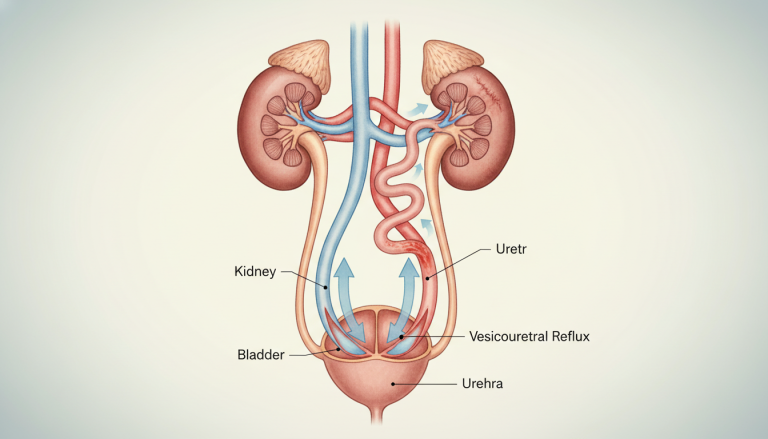
These veins, called the pampiniform plexus, carry blood away from the testicles. If their valves don’t work right, blood stays and makes the veins big and noticeably enlarged.
Even though it’s common, seeing a doctor is key to avoid health problems. Our team helps you understand the scrotum. This way, you can talk about your health with confidence.
We’ve made a table to help you know the difference. It shows why a varicocele needs special care compared to other issues.
| Condition | Primary Characteristic | Common Sensation |
|---|---|---|
| Varicocele | Dilated, twisted veins | Dull, aching discomfort |
| Hydrocele | Fluid-filled sac | Painless swelling |
| Spermatocele | Cyst in the epididymis | Small, painless lump |
| Inguinal Hernia | Tissue protrusion | Sharp pain or pressure |
Knowing these differences is important for your health. If you think you have a varicocele, contact our experts. They’ll check you out and make a care plan just for you.
The Biological Causes of Varicocele
Exploring the varicocele reveals a complex issue with blood vessel valves. We start with the anatomy of the spermatic cord. This cord has veins that carry blood from the testicles to the heart.
Healthy veins use tiny valves to keep blood flowing one way. These gatekeepers stop blood from flowing back due to gravity. If these valves don’t close right, blood pools in the veins.
This blood pooling leads to a varicocele. The blood pressure in the veins increases. This pressure stretches, twists, and swells the veins, similar to varicose veins in the legs.
The varicocele causes are mainly mechanical. The veins in the scrotum face gravity to return blood to the heart. Any valve weakness makes them prone to dilation. This swelling can happen slowly, so it might not be noticed right away.
By explaining these biological processes, we aim to clear up why varicoceles happen. Seeing a varicocele as a plumbing issue in the body helps understand it better. We’re here to make sure you’re well-informed and supported in your health journey.
Recognizing Varicocele Symptoms
Spotting varicocele symptoms early is key to managing your reproductive health. Some people don’t feel anything, but others notice clear signs. It’s important to pay attention to how your body feels every day.
The most common symptom is a dull, aching pain in the scrotum. It might feel heavy or like something is dragging. You might also see or feel a lump, often described as feeling like a “bag of worms” because of the swollen veins. These varicocele signs often get worse after standing for a long time or when you’re very active.
These symptoms usually get better when you lie down. This is because lying down helps blood drain from the affected area. If you have ongoing swelling or pain that doesn’t go away with rest, you should see a doctor. Catching it early means you can get a full check-up.
| Symptom Type | Common Description | Triggering Factor |
|---|---|---|
| Dull Ache | Heavy, dragging sensation | Prolonged standing |
| Visible Lump | Enlarged, twisted veins | Physical exertion |
| Scrotal Swelling | Noticeable fullness | End of the day |
| Discomfort | Mild to moderate pain | Increased pressure |
Keeping an eye on your health is essential. Knowing about varicocele symptoms helps you make smart choices about your care. We’re here to help you understand these changes and find the best way forward.
Risk Factors and Prevalence in the United States
In the United States, a varicocele is common in urology clinics. It’s thought that about 15% to 20% of men will get it at some point. This makes it a big topic for men looking into reproductive health.
Age is a big factor in getting a varicocele. Most cases are found in teens and young adults, between 15 and 25. Early detection is important for managing it well.

Lifestyle and how active you are can also affect a varicocele. While heavy lifting or intense activity doesn’t cause it, it can make symptoms worse. We suggest a balanced lifestyle for better vascular health.
Knowing the stats can help patients feel better about their diagnosis. Because it’s so common, doctors have good ways to watch and treat it. Here’s a table with key factors about its prevalence and risk.
| Risk Category | Prevalence/Impact | Clinical Significance |
|---|---|---|
| General Male Population | 15% – 20% | Common finding |
| Adolescent Males | High incidence | Developmental monitoring |
| Infertility Patients | Up to 40% | Requires evaluation |
| Varicocele Presence | Varies by age | Often asymptomatic |
The Impact of Varicocele on Male Fertility
Understanding the link between a varicocele and male fertility is key for those wanting to start a family. Finding out you have this condition can be concerning. But knowing about it is the first step to managing it well. Early action can help meet your reproductive goals.
A varicocele mainly affects fertility by changing scrotal temperature. The enlarged veins can cause blood to pool, raising scrotum temperature. Healthy sperm need a cooler environment than the body’s average, so this heat stress can harm their development.
High internal temperature can lower sperm count and motility. Sperm quality may also drop, making pregnancy harder. Finding a varicocele early means you can get treatment quickly. This can greatly improve your chances of having healthy sperm.
If you’re thinking about starting a family, talk to a fertility expert. Getting a varicocele treated early is often advised to protect your fertility. Taking action now can boost your chances of success later.
Clinical Diagnosis and Physical Examination
Learning about a varicocele diagnosis can make you feel less anxious before your visit. Being informed is key to good care. A urologist will do a detailed physical exam to check your reproductive system’s health.
The exam is done while you stand. This helps show any vein swelling. Your doctor will gently feel your scrotum to look for big veins. This simple and non-invasive method is the best way to start.
Your doctor might ask you to do the Valsalva maneuver. This means taking a deep breath, holding it, and pushing as if you’re having a bowel movement. This action raises your abdominal pressure. It helps your doctor see blood flow back into veins that might not be obvious.
We want you to feel at ease and supported. By doing a physical exam and the Valsalva maneuver, your urologist can confirm a Varicocele. This way, you’ll understand your condition and what to do next.
Imaging Techniques for Accurate Assessment
To get a clear diagnosis of a varicocele, we use advanced imaging. A physical check-up gives us a starting point. But, imaging lets us see more with remarkable clarity.
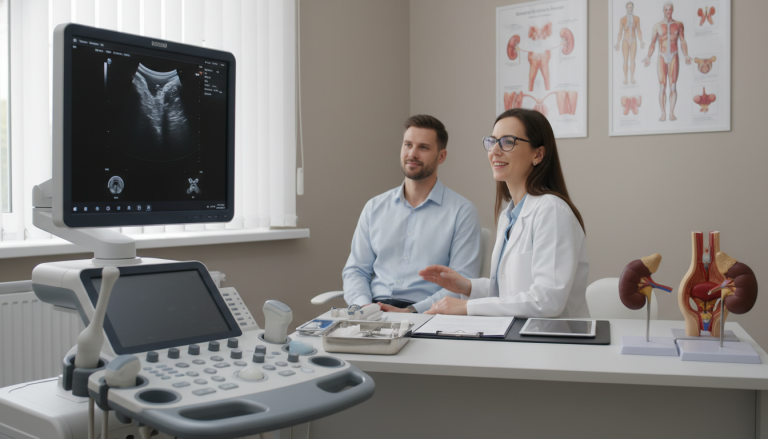
The main tool we use is the scrotal ultrasound. It’s a non-invasive method that’s key for spotting a varicocele. High-frequency sound waves let us see inside the scrotum without hurting the patient.
Our team watches blood flow during the ultrasound. We measure vein sizes to see if they’re too big. This precise data helps us create a treatment plan just for you.
With advanced imaging, we catch cases that might be missed. Knowing exactly where and how bad the problem is, we offer a more effective and personalized way to get better.
| Diagnostic Method | Primary Purpose | Key Benefit |
|---|---|---|
| Physical Exam | Initial screening | Immediate assessment |
| Scrotal Ultrasound | Confirming varicocele | High-precision visualization |
| Color Doppler | Blood flow analysis | Detects venous reflux |
Varicocele Treatment Options
Understanding your health options is key. If you have a varicocele, you might not need treatment right away. Many people live with it without any issues.
Seek treatment if your varicocele affects your daily life. Look for signs like pain, discomfort, or fertility concerns. If you don’t have symptoms, your doctor might suggest waiting and watching.

During this time, your doctor will keep an eye on the veins. This way, we can avoid unnecessary steps. If symptoms show up, we’ll talk about other ways to help you.
The table below shows how we manage varicoceles based on symptoms:
| Approach | Primary Goal | Best For |
|---|---|---|
| Observation | Monitoring | Asymptomatic cases |
| Pain Management | Symptom relief | Mild discomfort |
| Active Intervention | Correcting blood flow | Infertility or severe pain |
Choosing the right varicocele treatment is a team effort. Talk to your urologist about what’s best for you. This way, you can manage your varicocele effectively and achieve your health goals.
Surgical Interventions for Varicocele
Modern medicine has effective ways to treat scrotal discomfort. If simple treatments don’t help, a varicocele might need surgery. This can greatly improve your quality of life.
The main surgery is called a varicocelectomy. A skilled surgeon finds and closes the bad veins. This stops blood from pooling wrong and improves scrotal health.
Thinking about surgery can be scary. But, modern surgery is highly refined and safe. It aims to cause little harm and help you heal quickly.
Deciding to have varicocele surgery is a big step towards better health. Our team works hard to keep you safe and comfortable. We want you to feel confident and renewed comfort in your daily life.
Non-Surgical and Minimally Invasive Procedures
Interventional radiology has changed how we treat a varicocele with new methods. Many patients are happy to avoid traditional surgery. We use these modern techniques to make your recovery smooth and comfortable.
The main non-surgical choice is percutaneous embolization. An interventional radiologist uses special imaging to guide a thin catheter through a small skin puncture. This lets the doctor reach the vein with care.
After the catheter is in place, the specialist blocks the varicocele with tiny coils or a special solution. This stops the abnormal blood flow. The vein then shrinks, solving the problem without big cuts.
Choosing this method has many benefits. Patients usually recover faster than with surgery, getting back to normal sooner. We’re dedicated to giving you these options to manage your varicocele well. We use the latest technology to help you.
Managing Varicocele Pain and Lifestyle Adjustments
We know that dealing with varicocele pain needs smart lifestyle choices and medical advice. This condition makes veins in the scrotum swell. Yet, simple, consistent changes can greatly improve daily comfort.
Wearing supportive undergarments is a great way to ease discomfort. Briefs or athletic supporters offer the needed compression. This can lessen the pulling feeling often linked to varicocele. Making this change can noticeably help during exercise or long work hours.
Being careful with your posture and activity levels is also key. Avoiding long standing is important, as gravity can make vein pressure worse. If your job has you standing a lot, take breaks to sit or walk. This helps blood flow better.
If pain lasts, you might think about over-the-counter pain relief. But, always talk to your doctor before starting any new medicine. We think giving patients these practical tips is the best way to keep their quality of life high.
| Strategy | Primary Benefit | Ease of Implementation |
|---|---|---|
| Supportive Underwear | Reduces scrotal tension | High |
| Avoiding Standing | Decreases venous pressure | Moderate |
| Pain Medication | Manages acute flare-ups | High (with advice) |
| Cooling Packs | Soothes localized inflammation | Moderate |
Potential Complications and Long-Term Outlook
Many patients worry about what happens if a varicocele is not treated. While most cases stay the same, ignoring it can cause problems. The biggest worry is testicular atrophy, where the testicle can shrink and lose function.
But, these varicocele complications aren’t set in stone. Early diagnosis and regular check-ups can keep you healthy. We aim to stop these issues by educating and monitoring your health closely.
Early detection of a varicocele means we can start protecting your health. Regular check-ups help us catch any changes early. This way, you stay in charge of your health.
The outlook for people with a varicocele is good. By staying informed and working with your doctor, you can avoid risks. We’re here to help you manage these varicocele complications and keep you healthy.
When to Consult a Urologist
Timely medical care is key to good health. Spotting a varicocele early can stop symptoms from getting worse. This can greatly improve your life quality.
If you feel constant pain or a dull ache in your scrotum, see a doctor. Early detection is critical. This is true if you’re worried about fertility or see a “bag of worms” swelling.
Our team is ready to help you understand your health. If a varicocele worries you about your fertility, get a thorough check-up.
| Symptom Category | Description | Recommended Action |
|---|---|---|
| Persistent Pain | Dull, aching scrotal discomfort | Schedule a consultation |
| Fertility Concerns | Difficulty conceiving or low sperm count | Seek specialist evaluation |
| Visible Varicocele | Noticeable veins or scrotal swelling | Professional diagnostic imaging |
Conclusion
Managing a varicocele is a key step to protect your reproductive health and comfort. Modern medicine has effective ways to tackle this issue. This ensures you can live your life to the fullest.
We think informed patients make the best choices for their health. Knowing about varicoceles empowers you to get the right care and treatment. This is tailored to your needs.
At Acıbadem Healthcare Group, we’re here to help. Our team offers expert advice and support. We use advanced tools and create care plans just for you.
If you’re worried about your symptoms, don’t wait to see a doctor. Taking action now is a step towards a healthier future. It brings you peace of mind.
FAQ
Q: What exactly is a varicocele and how does it develop?
A: A varicocele is like a varicose vein in your scrotum. It happens when veins in the spermatic cord don’t work right. This causes blood to pool, leading to swelling.
Q: What are the most common Varicocele symptoms I should look out for?
A: Varicocele symptoms can be subtle. You might feel a dull ache or heaviness in your scrotum. It can get worse when you’re active or standing for a long time. A visible lump or “bag of worms” look in your scrotum is also a sign.
Q: How is a definitive Varicocele diagnosis reached?
A: Diagnosing a varicocele starts with a physical exam. We might ask you to do the Valsalva maneuver. Then, we use scrotal ultrasound to check blood flow and vein size.
Q: Can this condition affect my ability to have children?
A: Yes, varicoceles can affect fertility. The pooled blood can raise scrotal temperature, harming sperm quality. Early treatment can improve fertility chances.
Q: What are the primary Varicocele treatment options available?
A: Not all varicoceles need treatment. If it’s not causing symptoms, we might just watch it. But if you need treatment, options include percutaneous embolization or surgery. We choose the best option for you.
Q: What does Varicocele surgery involve and what is the recovery like?
A: Surgery for varicocele usually involves tying off the affected veins. Modern surgery is safe and quick. You can go back to light activities in a few days. Avoid hard exercise for a few weeks.
Q: Are there ways to manage Varicocele pain without undergoing surgery?
A: Yes, there are ways to ease pain. Wearing supportive underwear and using pain relievers can help. Avoiding standing for long periods also helps. If these don’t work, we’ll look at other options.
Q: What are the possible Varicocele complications if I choose not to seek treatment?
A: Ignoring varicocele can lead to testicular atrophy. The buildup of toxins can damage the testes. Regular check-ups can help prevent this.
Q: When is the right time to consult a urologist at Acıbadem Healthcare Group?
A: See a urologist if you have persistent pain, notice testicle size changes, or have trouble conceiving. Early action is key for reproductive health. Our team is here to help.