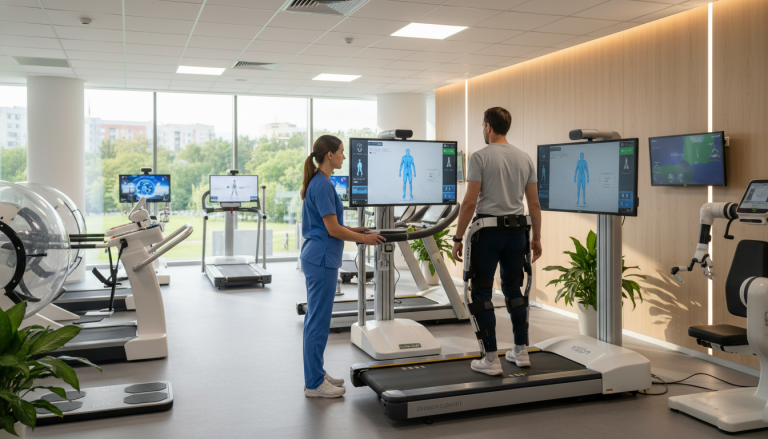

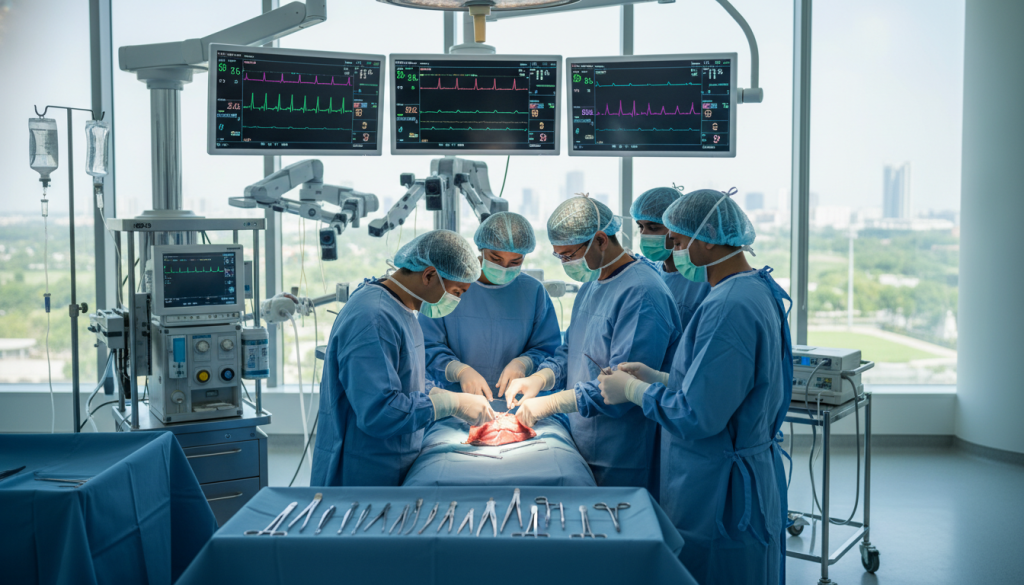
The world of healthcare is changing fast. Now, patients can get life-saving organ transplant surgeries from anywhere. This is making top-notch medical care available to more people.
Our place is all about giving exceptional care. We use the latest tech and have a team of skilled doctors. We know finding the right medical help is hard. So, we offer full support and make sure patients get the best care.
We’re always looking for new ways to help patients. Our focus on organ transplant is all about safety and innovation. Come see how we’re leading the way in international healthcare.
Key Takeaways
- Medical tourism is expanding global access to critical surgical interventions.
- Institutional excellence relies on the integration of advanced technology and expert clinical teams.
- Comprehensive patient support is essential for successful international medical outcomes.
- Sustainable healthcare infrastructure is vital for the future of global medical services.
- Our commitment to quality ensures that international patients receive world-class care throughout their journey.
The Global Evolution of Organ Transplant Access
In the last few decades, organ transplant procedures have changed a lot. What was once experimental has become a highly advanced field. This change shows our dedication to saving lives through new ideas and working together worldwide.
The field has moved towards big, focused centers that put patient safety first. These centers have better results and more consistent recovery times. This focus ensures top care for every patient.
Now, more places can handle complex organ transplant needs thanks to growth and partnerships. These partnerships help share knowledge and technology worldwide.
Today’s healthcare focuses on standardized protocols to keep quality high everywhere. This makes treatments more reliable for people traveling. It also helps centers keep improving, making organ transplant safer and more effective.
Looking ahead, we’ll see more global networks for critical care. The goal is to build lasting care systems for donors and recipients. The growth of organ transplant shows our creativity and dedicated medical care.
The drive for excellence means every organ transplant meets strict global standards. Patients can trust that their care is in the hands of skilled teams. These teams aim for the best in safety and success.
Understanding the Drivers of International Medical Travel
Many people choose to have advanced transplant surgery in other countries. They do this to avoid long wait times and get access to the latest surgical technology. This choice is a strategic decision for those seeking better healthcare options.
When looking at cross-border care, clear information is key. Patients want to know about success rates, the qualifications of surgeons, and what support they’ll get after surgery. A high-standard medical environment is important to ensure their health is the top priority.
The world of healthcare is changing, with a focus on meeting global needs. Top hospitals now tailor their services to fit what international patients need. This focus on excellence builds trust and helps make transplant care more globally accessible.
| Primary Driver | Patient Benefit | Institutional Response |
|---|---|---|
| Wait Time Reduction | Faster access to life-saving surgery | Optimized surgical scheduling |
| Specialized Technology | Access to advanced medical tools | Investment in modern infrastructure |
| Institutional Transparency | Increased confidence in care | Public reporting of clinical outcomes |
| Quality Standards | Safety and reliability | International accreditation compliance |
Clinical Standards and Quality Assurance in Global Transplant Centers
Every top-notch transplant hospital focuses on strict clinical standards. They ensure patient safety by following international accreditation rules. These standards are key to quality and safety in complex surgeries.
Using the latest research, these hospitals standardize surgical methods. This reduces risks and improves recovery for patients from around the world. Consistency in care is their main goal.
A top transplant hospital closely watches its surgical and recovery areas. They always look for ways to get better. This approach helps them keep success rates high and keeps patients safe.
The table below shows the main parts of quality assurance in our care:
| Quality Pillar | Operational Focus | Patient Benefit |
|---|---|---|
| Accreditation | Global Compliance | Verified Safety |
| Clinical Metrics | Performance Tracking | Optimized Outcomes |
| Surgical Oversight | Environment Control | Reduced Infection Risk |
The success of a transplant hospital comes from combining technology and human skill. We aim to keep these high standards for our global patients. Excellence is not just a goal; it is our standard of practice.
Navigating the Complexities of Living Donor Surgery Abroad
Dealing with living donor surgery abroad needs careful planning and watchful eyes. Patients and their families must know these surgeries follow strict rules to keep everyone safe. Commitment to excellence is key in our international transplant care.
Every transplant starts with a detailed check-up. Doctors thoroughly examine the donor to make sure they’re ready. This meticulous assessment helps keep the donor safe and boosts the transplant’s success.
These surgeries need a team of experts working together. With nephrology, surgery, and ethics, we keep care top-notch worldwide. This collaborative framework makes sure patients get the best care every step of the way.
Our mission puts ethics first in living donor surgery globally. We make sure donors know the risks and what to expect after surgery. Protecting the donor is a top priority for us everywhere we work.
The Role of Advanced Surgery in Modern Healthcare Systems
Advanced surgery is key to making complex medical treatments better in today’s hospitals. It uses innovative surgical techniques to boost the success of tough transplant surgeries. This change in how we treat patients makes care more accurate and effective.
Using these advanced methods helps cut down on recovery times for people from around the world. When surgery is done with the latest technology, patients face less stress. This means they heal faster and get back to their normal lives sooner.

Leaders in healthcare know that staying ahead means investing in new tech. We think that focusing on advanced surgery is key to keeping healthcare top-notch for the future. By always looking for new ways to improve, hospitals can meet the needs of more patients worldwide.
The table below shows the main advantages of adding modern surgery to transplant care:
| Benefit Category | Clinical Impact | Patient Outcome |
|---|---|---|
| Surgical Precision | Reduced tissue trauma | Faster recovery |
| Technological Integration | Higher graft survival | Improved long-term health |
| Efficiency Metrics | Streamlined procedures | Lower complication rates |
Evaluating the Safety of Transplant Treatment in Emerging Markets
Ensuring patient safety is the cornerstone of modern transplant treatment worldwide. Patients seeking care abroad must carefully check each transplant hospital. They need to make sure the place meets high international standards.
A top transplant hospital is open about its success rates and how it prevents infections. These places follow global rules to give patients the best care. Consistency is key in handling complex surgeries across the globe.
We think rigorous vetting processes are vital for international patients. By checking the skills of the surgical team and the hospital’s tech, patients can make smart choices. This focus on quality makes transplant treatment safe for those needing it.
The aim is to connect local needs with global medical skills. With stringent oversight and ethical compliance, new markets are improving their healthcare. Patients can trust that modern medicine is working hard to provide reliable and sustainable outcomes everywhere.
The Importance of Specialist Care and Multidisciplinary Teams
When patients travel abroad for life-saving procedures, a dedicated specialist care team is key to their recovery. Transplantation is a complex journey that goes beyond the operating room. It needs a team effort from many medical experts for the best results.
We focus on bringing together different medical skills for a complete treatment plan. Surgeons, nephrologists, and nurses work together to help patients heal. This teamwork helps us tackle hronicna bubrezna insuficijencija komplikacije effectively.
A multidisciplinary team sees the patient as a whole person, not just a surgery case. Effective communication between teams is vital for monitoring the patient’s health post-surgery. This care is critical for balancing immune recovery and organ function.
We believe in teamwork for top-notch healthcare. By working together, we reduce risks and improve patient safety. Our main goal is to provide consistent specialist care to those seeking advanced medical help abroad.
| Team Member | Primary Responsibility | Impact on Recovery |
|---|---|---|
| Transplant Surgeon | Surgical execution | High (Structural success) |
| Nephrologist | Organ function monitoring | High (Long-term stability) |
| Clinical Coordinator | Logistics and communication | Medium (Patient experience) |
| Support Staff | Daily care and recovery | High (Holistic wellness) |
Managing Immune Recovery and Long-Term Nephrology Care
Recovery doesn’t stop after surgery. It’s a journey that needs nephrology care to keep you healthy. Our teams work hard to make sure your health is stable. They use strict plans to help your body heal after surgery.
They focus on giving you the right medicines to stop your body from rejecting the transplant. These medicines are key, but they must be adjusted just right. Our experts watch your blood and body closely to make sure the medicines work best for you.
Keeping your kidneys and body healthy for the long term is important. We schedule regular check-ups to catch any problems early. This way, we can act fast to keep your transplant working well for years.
Recovering from surgery takes time and careful help. Our teams guide you through your treatment and lifestyle changes. With nephrology care, we support your long-term health and happiness.
Logistics and Coordination for the International Medical Traveler
Getting a transplant is not just about surgery. It’s also about smooth coordination. We know that getting to a life-saving procedure can be tough. We help make sure every specialist care need is met easily.
Our team takes care of all the travel details. This includes visas and safe transport. We think peace of mind is key to healing. So, we handle the hard stuff, letting patients focus on getting better.
We talk to patients a lot to keep them updated. We share their travel and medical plans. This way, we make sure specialist care fits perfectly with their needs.
We aim to make treatment abroad less stressful. We arrange travel that’s comfortable and safe. Our goal is to make sure every traveler gets top-notch specialist care in a smooth, reliable way.
Ethical Considerations and the Global Organ Donor Shortage
Dealing with the global organ donor shortage needs a strong focus on ethics and clear medical practices. As more people need organ transplants, places doing these surgeries must protect human rights and respect everyone’s dignity. We think being clinically excellent and morally upright go hand in hand.
The lack of organs is a big ethical problem that needs careful watching in every organ transplant case. We follow strict rules for getting organs from donors. These rules make sure donors are treated with great respect and the whole process is open.

In living donor surgery, our teams focus on keeping the donor safe and healthy long-term. We use detailed checks to make sure donors agree without being forced. This way, we build a healthcare system that cares for the community first.
Being open in our programs helps patients trust their care. We keep talking clearly and follow the best practices worldwide. This way, we lower the risks of organ transplant. Our promise to do living donor surgery ethically means we keep saving lives while respecting every organ donor.
In the end, we aim to close the gap between organ supply and demand with new ideas and ethics. We’re committed to making sure every patient can get a safe and ethically done organ transplant. Keeping the rights of the organ donor safe is a key part of what we do.
Financial Implications and Insurance Coverage for Transplant Procedures
We are committed to being open about the costs of transplant treatment abroad. We know that dealing with international healthcare costs can be tough. Our financial counselors are here to help, making sure you know what to expect financially before you start.
Helping with billing and insurance is a big part of what we do. We work closely with insurance companies to make sure you don’t face unexpected costs. Peace of mind is key when you’re preparing for a big medical step, and we aim to give you that.
It’s important to check your insurance early to avoid surprises. Some policies need special paperwork or approval for transplant treatment. We help with all the paperwork to make things smoother for you.
| Financial Component | Patient Responsibility | Institutional Support |
|---|---|---|
| Initial Consultation | Standard Fee Payment | Detailed Cost Breakdown |
| Surgical Procedure | Insurance Verification | Direct Billing Coordination |
| Post-Op Care | Medication Coverage | Reimbursement Assistance |
| Total Transplant Treatment | Policy Deductibles | Financial Advocacy |
We want to make sure you feel secure about your financial plans. With our help, we aim to make the journey to recovery smoother. We’re here to offer exceptional value and support every step of the way.
Post-Operative Transplant Recovery and Continuity of Care
The journey to full recovery goes beyond the hospital. It needs a strong plan for ongoing care. Successful transplant recovery means having a clear path from surgery to everyday life. We focus on creating lasting support for each patient’s healing journey.
When patients go home, they must focus on immune recovery to keep their new organ healthy. They need to stick to their medication and watch their blood markers closely. Our rules help guide them through this important time.
Nephrology care is key for those with kidney transplants. We keep in touch with local doctors to keep everyone on the same page. This teamwork helps avoid problems and keeps patients stable long-term.
Managing immune recovery and nephrology care needs a proactive approach. We urge patients to keep health records and go to all follow-up visits. These steps help catch issues early and keep patients well.
| Phase | Primary Focus | Care Setting |
|---|---|---|
| Immediate Post-Op | Surgical stabilization | Hospital environment |
| Transition Period | Medication adjustment | Outpatient clinic |
| Long-term Maintenance | Organ health monitoring | Local specialist care |
Our dedication to transplant recovery is about continuous, reliable care. We blend advanced medical care with support for patients. This way, we ensure the health and safety of everyone we help.
Legal Frameworks Governing Cross-Border Medical Procedures
Cross-border medical procedures are covered by a complex set of international laws. These laws aim to keep patients safe and ensure quality care. They form the basis for institutional accountability, outlining how medical facilities should operate across borders.
Following these standards helps healthcare providers keep medical tourism safe. It also puts the needs of every patient first.
International legal standards are key to protecting patient rights during surgeries. They make sure informed consent, data privacy, and medical ethics are respected, no matter where the surgery is. When places follow global standards, they create a safe space for people from all over.
We are dedicated to excellence and follow all laws and ethical guidelines everywhere we work. We see regulatory compliance as a moral duty to protect our patients’ health. By sticking to these strict rules, we make sure our care is consistent, safe, and reliable for patients everywhere.
Keeping up with these standards means always being ready for new health policies. We team up with legal experts to stay on top of changes in laws. This way, we can offer top-notch transplant services while keeping our integrity high.
Technological Advancements Improving Surgical Outcomes
We are entering a new era in advanced surgery with robotic help and high-resolution images. These tools let our medical teams do complex surgeries with great accuracy. They also reduce the harm patients face during transplant operations.
Robotic systems give surgeons better control and a 3D view of the area being worked on. This is essential for the fine work needed in organ transplants. As a result, patients often heal faster and face fewer complications after surgery.
Also, new imaging methods let us watch blood flow and tissue health in real time. This technological integration means every choice in the operating room is based on exact data. Our focus on innovation pushes us to use these technologies for the best healthcare results for our patients.
| Feature | Traditional Surgery | Advanced Surgery |
|---|---|---|
| Precision | Manual Control | Robotic-Assisted |
| Imaging | Standard Visuals | High-Resolution 3D |
| Recovery Time | Extended | Accelerated |
| Complication Risk | Moderate | Significantly Reduced |
Patient Advocacy and Informed Decision Making
We aim to empower patients to make informed decisions in global healthcare. We believe that transparency and trust are key for a successful medical journey. By giving clear, easy-to-understand information, we support patients fully during their treatment.
Patient advocacy is important in dealing with the complexities of international surgery. Our teams work with patients to explain medical choices, risks, and outcomes. This teamwork builds confidence, letting patients manage their health better.
It’s vital to understand transplant recovery well for success. We offer detailed resources on healing phases, from right after surgery to long-term checks. These help patients know what to expect and prepare for life changes after surgery.
We focus on informed decision-making to make patients feel empowered and safe in their choices. By making complex medical info easy to understand, we build a partnership of respect. This focus on clarity improves transplant recovery and patient happiness.
| Support Pillar | Primary Goal | Patient Benefit |
|---|---|---|
| Clinical Education | Explain surgical risks | Increased confidence |
| Advocacy Services | Navigate care pathways | Reduced anxiety |
| Recovery Planning | Define healing milestones | Improved outcomes |
The Future Landscape of Global Transplant Accessibility
Medical innovation is changing how patients get life-saving care across borders. Places like the Mayo Clinic and Cleveland Clinic are at the forefront. They’re making surgeries safer and more precise.
These efforts mean every organ donor gets top-notch care. This is key for the donation process.
We’re working hard to make healthcare better for the planet. Our goal is to help future patients who need complex care. We aim to make transplant medicine better for everyone.
Thanks to new tech, matching organs to patients is getting better. Recovery times are also improving. We want everyone to have access to this care.
We’re calling on all stakeholders to help us. Together, we can make a difference. Let’s work towards a world where everyone gets the care they need.
FAQ
Q: What are the primary advantages of seeking advanced surgery through international medical travel?
A: International medical travel lets patients avoid local healthcare limits. They can get specialized transplant treatment at top hospitals worldwide. Choosing a high-volume transplant hospital, like the Cleveland Clinic, means getting the latest surgery techniques and a focus on safety and excellence.
Q: How are clinical standards maintained for international patients undergoing transplant procedures?
A: Global medical institutions, like the Mayo Clinic, follow strict quality rules and international standards. They meet Joint Commission International (JCI) standards. This ensures every transplant is done safely and with the best care, with ongoing checks for the best results.
Q: What safety protocols are implemented during living donor surgery for international medical travelers?
A: In living donor surgery, the donor’s health is key. Top hospitals use detailed checks to make sure the donor is a good match. These steps keep the surgery safe and ethical, helping to save lives.
Q: Why is specialist care essential for post-operative immune recovery?
A: Getting better after a transplant needs a team of experts. This team includes surgeons, doctors, and immunologists. They work together to help the body accept the new organ and avoid problems.
Q: What role does nephrology care play in the long-term success of a transplant?
A: Nephrology care is key for keeping the new kidney working well. It helps manage the transplant recipient’s complex health needs. This care ensures long-term health, from recovery to ongoing wellness.
Q: How does the integration of advanced surgery technology improve patient outcomes?
A: Using new surgery technologies, like robotic systems at Johns Hopkins Medicine, makes surgery more precise. It also cuts down recovery time. This means better, more lasting treatments for complex transplant cases.
Q: How are the ethical concerns regarding the global organ donor shortage addressed?
A: Hospitals stick to international laws and ethics, like the World Health Organization (WHO) and the Declaration of Istanbul. They work to make donor programs clear and support healthcare systems. This ensures respect and fairness for donors and recipients.
Q: What logistical support is available to ensure a seamless experience for international medical travelers?
A: International patient centers handle everything, from travel to medical plans. They make sure patients can focus on getting better without worrying about travel details.
Q: How do patients navigate the financial implications and insurance coverage for transplant treatment abroad?
A: We make costs clear and work with insurance companies, like Bupa Global or Cigna. Our teams help with billing and payments, making the financial part easier for patients.
Q: What is the importance of continuity of care once an international patient returns home?
A: Keeping up with care after returning home is vital for the transplant’s success. We work with local doctors to ensure ongoing care and monitoring. This keeps the transplant working well long after the surgery.