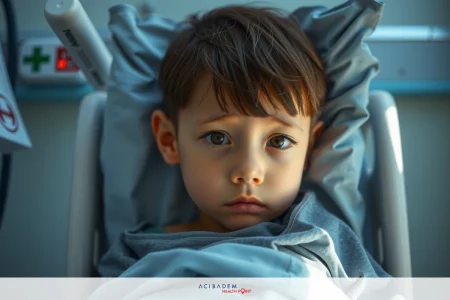
How Does Ependymoma Affect Children Differently Than Adults?
How Does Ependymoma Affect Children Differently Than Adults? Ependymoma impacts kids in ways that are not the same when grown-ups face it. Young ones may show signs early and these can be hard to spot at first. Each child might act differently if they have this illness which makes care very important. Doctors work hard to find what works best for each young patient.Adults with ependymoma often have a different set of challenges from those of younger patients. Their bodies and minds handle illness and treatment in diverse ways. It’s key for them to get help tailored to their unique needs too. Knowing how age affects the approach can make all the difference.
Families play a big role when a child has ependymoma offering love and support every day. They learn about the disease together and seek out resources that can lend a helping hand. Strong bonds within the family unit provide comfort during tough times as they navigate through treatment paths.
Symptoms in Children
Ependymoma in children can start with headaches that come and go. These pains might get worse over time or when kids wake up. Sometimes they may feel sick to their stomachs or even throw up. It is not easy for little ones to explain how they feel. Their parents need to watch for these small signs.
Kids might also show changes in the way they walk or keep their balance. They could stumble more often or have trouble with tasks that were once easy. This happens because ependymoma can affect parts of the brain that control movement. Even normal play activities might seem hard for them now.
Another sign of ependymoma in children is changes in eyesight. They may squint a lot or bump into things around them. Some kids find it hard to see clearly which makes reading difficult too. Parents should look out if their child seems less interested in looking at books or pictures.
When ependymoma impacts young bodies growth might slow down as well compared to healthy peers’. Kids could seem smaller than others their age and not grow as fast as expected. Watching for these symptoms helps doctors find differences early on between children and adults with ependymoma.
Treatment Options for Children
Treating ependymoma in children often starts with surgery to remove the tumor. Skilled surgeons carefully take out as much of it as they can. The goal is to keep healthy brain tissue safe while fighting the disease. After surgery kids might need extra help from other treatments too.
Radiation therapy could follow after surgery for some young patients. This aims to kill any cancer cells left behind and stop them from growing back. Doctors plan this treatment very carefully to protect a child’s developing brain. It’s important because kids are not just small adults; their bodies react differently.
Chemotherapy is another option that doctors may use for treating ependymoma in children. Special drugs help fight cancer cells all through the body if needed. Some medicines are pills while others go into a vein at the hospital during visits there.
Each child gets care made just for them based on how serious their illness is and where it’s located in their body or brain. Teams of doctors work together to give each kid the best chance at getting better quickly and safely.

Recovery Process for Children
After treatment for ependymoma kids enter the recovery stage. It’s a time when their bodies heal and they start to feel better. This part can take weeks, months, or longer, it’s different for everyone. Kids might need physical therapy to get strong again and do everyday things.
In recovery children also get help with how they feel inside their heads and hearts. They may talk to someone who helps kids cope with tough stuff like illness. Being sick can be scary so this support is really important for them. Friends and schoolmates can lift spirits too by just being there.
Families play a big part in helping kids recover after ependymoma treatment. They keep life as normal as possible at home while still going to doctor visits. Parents make sure medicines are taken on time and watch over any new symptoms that could show up during healing times.
Long-Term Effects on Children
Children who have had ependymoma may face long-term effects from the disease. These can include problems with learning and memory as they grow up. Their brains might process information differently after treatment. Regular check-ups with doctors help track their progress over time.
Some children might find their physical skills affected after battling ependymoma. They could need ongoing therapy to improve movement and coordination. Activities like sports or playing instruments may require extra practice for them now.
Ependymoma treatments can also impact a child’s growth and hormones. This means they may be shorter than others or hit puberty at different times. Doctors watch these changes closely sometimes giving medicine to help.
Emotional well-being is another area that might change for kids after ependymoma treatment. They could feel sad or worried more often than other children do. Support from family, friends, and mental health professionals makes a big difference here.
There’s a chance of secondary health issues appearing later in life due to early cancer treatments—like new cancers or heart problems—as kids turn into adults. Thus requiring lifelong monitoring by healthcare providers to ensure any potential complications are managed promptly.
Supporting Resources for Families
Families facing a child’s ependymoma diagnosis are not alone. Many healthcare professionals can guide and support them through this journey. This includes doctors, nurses, social workers, and psychologists who specialize in pediatric cancer care.
There are also many support groups where families can connect with others in similar situations. Sharing experiences with fellow parents can provide comfort and practical advice. These groups often meet in person or online making it easier to join no matter where a family lives.
Educational resources offer valuable information about ependymoma and its treatment options. Hospitals and cancer centers often have materials that explain complex medical terms in simple language. Knowing more helps families make informed decisions about their child’s care.
Financial assistance programs may be available to help with the costs of treatment and related expenses. Social workers or patient advocates can help families navigate these options to alleviate financial stress during an already challenging time.
Lastly respite care services give parents a break from caregiving duties while ensuring their child is safe and well-cared for. Taking time out is important for the well-being of the whole family as they cope with the impact of ependymoma on their lives.
Frequently Asked Questions
Q: What is the main difference in ependymoma between children and adults?
A: The main differences are how symptoms show up and how treatments work. Kids' growing bodies can react differently to therapy than adult bodies do.
Q: Can ependymoma come back after treatment in children?
A: Yes, like with many cancers, there's a chance of ependymoma returning. That's why regular check-ups are crucial for monitoring health status post-treatment.
Q: How can families find support groups for pediatric ependymoma?
A: Hospitals or doctors often know about local groups. You can also look online for national organizations that connect families dealing with pediatric brain tumors. Please note the answers provided here are for informational purposes only and do not constitute medical advice.