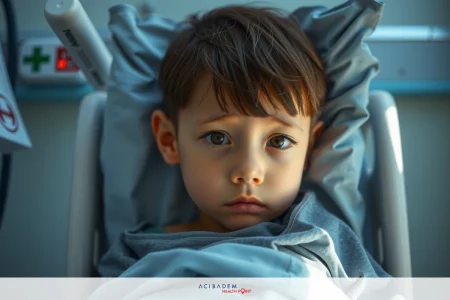
How Does At/rt Affect School Attendance?
How Does At/rt Affect School Attendance? How Does At/rt Affect School Attendance? AT/RT can make it hard for kids to go to school and join in on the fun with their friends. When a child has AT/RT, they may feel tired, hurt or have trouble thinking which makes school tough. Doctors and families work together to find ways that help these children learn and play as much as they can. Schools often help by changing how they teach so kids with AT/RT can keep up with their classes.Parents may worry about how often their child misses school because of AT/RT treatment. It’s okay for parents to talk to teachers about what is going on with their kid’s health. Teachers want to understand and will try different things so that the child still learns even if they miss some days at school. There are special plans at schools that make sure kids who are sick get the time and help they need.
Kids who have AT/RT might take medicine or go through treatments that change their routine at school. Friends at school can be a big support for kids dealing with health problems like AT/RT. Having good people around makes it easier for them when life gets hard because of illness or treatment schedules. Everyone coming together helps these students not miss out on learning new things every day.
Symptoms of AT/RT
AT/RT, a rare kind of brain tumor in children, often comes with clear signs. Kids might have headaches when they wake up or they could get sick to their stomach. These symptoms can be scary for both the child and their family. It’s important to see a doctor if these things happen.
Balance problems are common in kids with AT/RT. They may stumble a lot or have trouble holding things without dropping them. This can make school hard because it affects how they move around and play during recess. Teachers and parents may notice these changes first.
Children with this illness might also act differently than before. They could seem very tired or not want to eat much at all which is worrying for anyone who cares about them. When kids feel like this it can make going to school less fun for them.
Challenges in School Attendance
Children with AT/RT face many hurdles when trying to maintain regular school attendance. Due to frequent medical appointments they often miss classes which can lead to gaps in learning. It’s tough for them to keep up with schoolwork when they are away so much. This is why it’s crucial for schools and parents to work closely together.
Another challenge comes from needing rest during the day. Kids battling AT/RT might get tired quicker than their classmates making full days at school hard. They may need special places to take breaks or even nap if treatment leaves them exhausted. Schools sometimes create quiet rooms just for this reason.
Keeping up with friends is also harder for these children due to interrupted attendance caused by their health condition. Social skills are as important as academic ones but missing school can affect friendships and social growth.
Participating in physical activities or sports can be out of reach during some phases of treatment for kids with AT/RT. However finding ways that allow safe inclusion into lighter activities could greatly enhance both emotional well being and overall quality of life.
Supportive Interventions
There are tailored interventions that can really help kids with AT/RT. Schools may adjust schedules so these children attend classes when they feel their best. Sometimes assignments are modified to fit what the child can handle during treatment periods. This helps them stay connected to school without getting too tired or overwhelmed.
Counseling services play a big part in supporting emotional health for students with AT/RT. Talking to someone about feelings and worries makes coping easier for them. It also teaches kids ways to express what they’re going through which is great for their well being. Plus friends and teachers learn how to give better support after understanding more about the child’s experience.
At home parents can create a learning space that feels like part of the classroom even if the child has been away from school due to treatment for AT/RT. Keeping a routine with regular study times helps maintain normalcy as much as possible which is key in making sure these young ones don’t fall behind academically.
Treatment Options
Treating AT/RT in children often starts with surgery to remove as much of the tumor as possible. After that doctors may use radiation therapy to target what’s left. These treatments are tough but they work to fight the disease. It’s key for families to talk with their healthcare team about these steps.
Chemotherapy is another treatment option for kids with AT/RT. This medicine goes through the whole body and kills cancer cells wherever they are. Doctors watch closely how this treatment affects each child because it can be very strong. They adjust doses carefully and always look out for side effects.
Sometimes newer options like targeted therapy or clinical trials are offered. These treatments focus on specific parts of cancer cells that make them different from healthy cells. Healthcare professionals can explain these choices so parents understand what might work best for their child’s unique case.
Frequently Asked Questions
What is AT/RT?
AT/RT stands for atypical teratoid/rhabdoid tumor which is a rare and fast growing cancerous tumor of the brain and spinal cord usually found in young children.
How does AT/RT impact school attendance for children?
Children with AT/RT may miss more school due to treatments, doctor's appointments, or fatigue. Schools can work with families to accommodate these absences.
Can children with AT/RT still participate in school activities?
Yes many kids with AT/RT can take part in modified activities. It might depend on their energy levels and what healthcare professionals advise.