





How Are Childhood Heart Tumors Diagnosed?
How Are Childhood Heart Tumors Diagnosed? Doctors look for certain signs when they think a child might have a heart tumor. They listen to the child’s heart and check for any unusual sounds or rhythms. If something does not sound right they use special tests to take a closer look. These tests help them see if there is a tumor in the child’s heart.When doctors need more information they ask for detailed pictures of the heart. Machines like MRI or CT can create these images. The pictures show what is inside the child’s chest without needing surgery. Doctors study these images very carefully to find out what is going on.
Sometimes doctors need an even closer look at what might be causing trouble in the heart. They may decide to take a small piece from inside to examine it more closely under a microscope. This helps them make sure of their diagnosis. It can also guide them on how best to treat the child and keep their little hearts beating strong. How Are Childhood Heart Tumors Diagnosed?
Symptoms and Signs
Childhood heart tumors might not always show clear signs at first. But there are certain symptoms that can alert parents or doctors. Some children may feel very tired without any clear reason. They might also have trouble breathing during play or rest.
If a child’s heart is affected by a tumor their heartbeat could be irregular. This means the heart doesn’t beat in a steady rhythm like it should. Parents might notice their child’s chest seems to flutter or race at times. These signs often lead to further medical checks.
Swelling in different parts of the body can also be a symptom of childhood heart tumors. Areas like the legs, ankles, or abdomen may look puffed up. This happens when the heart can’t pump blood well due to the tumor. Doctors will see this as a clue that something is wrong with the child’s health.
When these symptoms appear doctors start to think about how they can diagnose what’s going on inside. They use medical procedures designed for children so they’re gentle but effective. Each step helps them get closer to understanding if there’s a tumor affecting the young patient’s heart health.
Diagnostic Tests
An echocardiogram is often the first test used when diagnosing childhood heart tumors. It’s like an ultrasound for the heart showing live images as it beats. This non-invasive procedure lets doctors see if there are any abnormal growths. The child can lie still as a small device moves over their chest.
If doctors need more detailed pictures they may use an MRI scan next. This powerful machine uses magnets to create clear images of the heart’s structure and tissues. Unlike X-rays, MRIs don’t use radiation, which makes them safe for children; kids might have to stay very still during this test though.
A CT scan is another tool that helps in diagnosis. It gives cross sectional views of the body. This type of imaging can be particularly helpful in seeing the size and location of a tumor within the heart. Children are asked to hold their breath briefly while pictures are taken quickly by this special camera.
These tests give doctors valuable information about what’s happening inside a child’s chest without surgery or pain involved. Once diagnosed with these medical procedures each young patient is one step closer to getting treatment tailored just right for them by their healthcare team.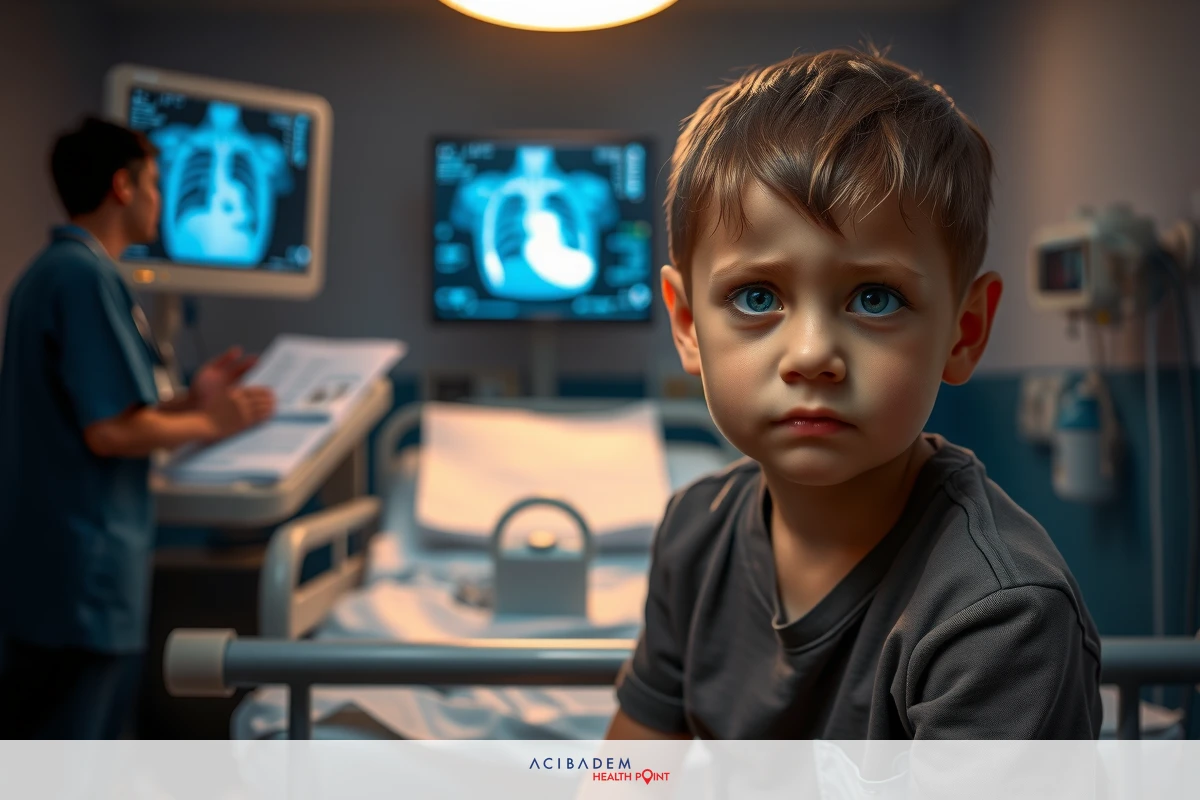
Biopsy Procedure
A biopsy is a key step when other tests show there might be a heart tumor. In this procedure doctors take a tiny piece of the heart tissue. They use this sample to find out if it’s indeed a tumor and what kind it is. A biopsy can confirm the diagnosis and help plan treatment.
During the biopsy doctors are very careful with their young patients. Children may sleep through the process because they get medicine to make them comfortable. The medical team watches over them all through the surgery; parents wait nearby until it’s done. How Are Childhood Heart Tumors Diagnosed?
Afterward experts look at the tissue under a microscope in detail. This allows them to see if there are cancer cells present in the sample taken from the child’s heart. Once they have results doctors talk with families about what comes next for their care and healing.
Treatment Options
How Are Childhood Heart Tumors Diagnosed? Once childhood heart tumors are diagnosed treatment options vary depending on the type and size. Surgery is often considered to remove the tumor if possible. The goal of surgery is to take out as much of the tumor as safely as they can. After surgery children may need other treatments to help their hearts heal.
Chemotherapy is another option that doctors might suggest for certain types of tumors. This treatment uses special medicine to kill cancer cells or stop them from growing. Children who get chemotherapy sometimes visit a hospital regularly over a few weeks or months.
Radiation therapy could be advised in addition to surgery or chemotherapy though less common in young children due to long-term effects on growth. It targets specific areas with high energy rays aiming at shrinking tumors.
How Are Childhood Heart Tumors Diagnosed? Newer treatments like targeted therapy use drugs that find and attack cancer cells without hurting normal ones. This spares kids from some side effects found in traditional methods. Clinical trials are also available exploring cutting edge therapies that aren’t widely used yet but show promise.
Doctors talk with families about what treatment choices fit best for their child’s unique situation after diagnosis. Always best done through careful conversations where questions are encouraged and support offered throughout decision making processes and beyond into care plans tailored just right for each little patient’s needs.
Frequently Asked Questions
Q: What causes childhood heart tumors?
A: The cause of heart tumors in children is not always clear. Some are due to genetic conditions while others have unknown origins.
Q: How common are childhood heart tumors?
A: These tumors are quite rare in children. They occur less often than other types of pediatric cancers.
Q: Can childhood heart tumors be cured?
A: Many childhood heart tumors can be treated successfully with surgery, chemotherapy, radiation therapy, or a combination of these methods.
