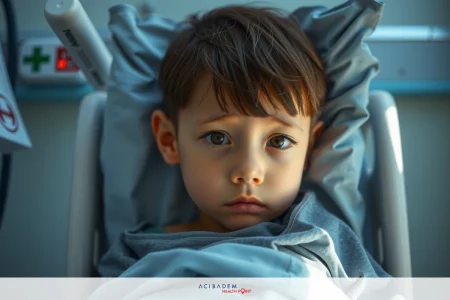
Can Neuroblastoma Recur After Treatment?
Can Neuroblastoma Recur After Treatment? Can Neuroblastoma Recur After Treatment? Learning about the chances of cancer coming back is important for patients and their families. Doctors keep an eye on children who had neuroblastoma even after they get better. They want to catch any signs that the illness might return quickly. Treatments have helped many but sometimes the disease can come back.When a child’s cancer returns it can be a tough time for everyone involved. Parents often worry and look for information about what could happen next. It’s good to know there are steps doctors will take to help if needed.
Finding out why some cancers come back while others don’t is part of ongoing research. Still knowing more about recurrence helps families feel ready for any future health checks or treatments. Families find comfort in understanding how to stay on top of their child’s health.
Symptoms to Watch For
Knowing the signs of neuroblastoma coming back is key for parents. If a child has pain in their bones or belly it might be a clue. Tiredness that doesn’t go away with rest can also be a warning sign. It’s vital to report these symptoms to your doctor quickly.
Some children may have new lumps under their skin that weren’t there before. These could feel firm and might not hurt when you touch them. If you see any changes like this it’s best to get them checked out right away.
If neuroblastoma returns kids might not want to eat and they may lose weight without trying. They could seem less playful or active than usual too. When these changes happen talk with your healthcare team about what steps to take next.
Other symptoms include fevers that come and go without an obvious cause or bruises that show up easily. Kids might also look pale or feel weak more often than normal. Always reach out for medical advice if you notice something off about your child’s health after treatment for cancer.
Monitoring and Follow-Up Care
After treatment for neuroblastoma regular visits to the doctor are crucial. These check-ups help catch any signs of cancer returning early on. Doctors might do scans or blood tests during these visits. It’s all part of making sure the child stays healthy.
Keeping track of a child’s health after beating neuroblastoma is a team effort. The doctors, nurses, and parents all play a big role in this process. Scheduling follow-up care should be done as recommended by your healthcare team.
At each visit children will get different kinds of tests depending on their needs. These could include imaging tests like X-rays or MRIs to look inside the body. They help doctors spot changes that might mean the cancer has come back.
The goal with monitoring is to keep kids well long after they’ve finished treatment for cancer. Parents should feel free to ask questions about their child’s care plan at any time. Good communication with your medical team helps everyone stay informed about your child’s progress.
Treatment Options for Recurrence
When neuroblastoma comes back the treatment plan may change. New options are often based on the latest research and what has worked before. Your child’s doctor will talk about choices like more chemotherapy or surgery.
Sometimes doctors suggest radiation therapy to target any new cancer growths. In other cases stem cell transplants can be a way to fight recurrence in children. These treatments aim to stop cancer cells from coming back and growing.
Clinical trials are also an option for some kids with recurrent neuroblastoma. They offer access to new treatments that aren’t widely available yet. If you’re interested in this path your child’s healthcare team can tell you more about it.
Support and Resources
Families dealing with neuroblastoma have many support options available. Local cancer organizations offer help to patients and their loved ones. They provide information, counseling, and sometimes financial aid for treatment costs.
Online communities are a great way for families to connect with others in similar situations. Sharing stories and advice can make a big difference when facing recurrence. These networks can be found through social media or cancer-focused websites.
Hospitals often have teams that include social workers who understand what families face during treatment. They work to give emotional support and guide you to helpful services. Ask your care team about meeting with a social worker if you feel overwhelmed.
For educational resources ask your child’s doctor about books or pamphlets on neuroblastoma. Learning more about the disease helps some parents cope better with their child’s condition. Hospitals usually have libraries or resource centers where you can find this information.
Lastly there might be research studies focused on improving life for children after cancer treatment ends. These studies look at long-term health and ways to improve quality of life for survivors of childhood cancers like neuroblastoma.
Frequently Asked Questions
What increases the risk of neuroblastoma recurrence?
Factors like the stage of cancer at diagnosis and how much it spread can affect recurrence. Each child's case is different so it's best to discuss individual risks with your doctor.
How soon after treatment can neuroblastoma recur?
Recurrence can happen months or even years after treatment ends. Regular follow-up care is important to catch any signs early on.
Are there new treatments for recurrent neuroblastoma in development?
Yes, researchers are always working on better ways to treat cancer, including drugs and therapies that may be more effective against recurrent cases.