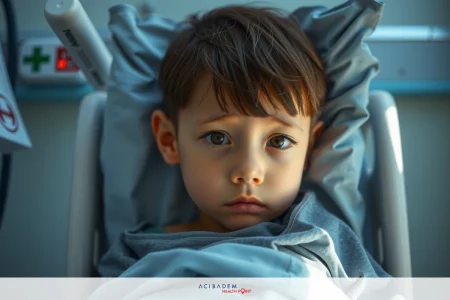
Can My Child Have Laser Eye Surgery
Can My Child Have Laser Eye Surgery Laser eye surgery has revolutionized vision correction. This cutting-edge solution offers a beacon of hope to those hindered by imperfect sight. Pediatric patients are no exception to this promise.Understanding the applicability of laser eye surgery for children requires traversing through the complexities that surround it. The benefits may seem apparent – precision in treatment, faster recovery times – yet these must be weighed against unique considerations inherent in pediatric cases. Parents ponder if their child is suitable for such a procedure or whether age plays a role?
To clear any fog surrounding these queries, one needs guidance from skilled professionals: ophthalmologists well-versed in both child healthcare and laser techniques. Their counsel can help discern what’s best for your little one’s eyesight health.
Benefits of Laser Eye Surgery for Children
Laser eye surgery, a medical marvel that it is, has proven its worth in improving quality of life through enhanced vision. It’s not just an adult domain anymore; children too can reap these benefits. The first notable advantage is precision – the laser equipment allows surgeons to correct vision errors with unparalleled exactitude, minimizing the risk of overcorrection or undercorrection.
This high degree of precision contributes to another significant benefit – fewer complications. Unlike traditional surgeries which may involve more substantial incisions and hence take longer healing times, laser eye surgery offers swift recovery. This factor is crucial considering pediatric patients who may find prolonged recovery periods distressing.
The idea of glasses or contact lenses can be daunting for a child. There are issues related to misplacement, damage and even instances where children might feel self-conscious wearing them around peers. Opting for laser eye surgery eliminates such concerns providing long-term solutions rather than temporary fixes like spectacles or lenses.
It’s also noteworthy that this procedure doesn’t require general anesthesia – a blessing when dealing with younger patients who might react adversely to being put under full sedation. Most cases only need local anesthesia ensuring your child remains comfortable throughout without encountering risks associated with heavier sedatives.
However beneficial it may seem though one must remember every child’s case is unique so suitability will vary significantly across individuals and circumstances; there’s no universal yes or no answer here! Parents should explore these advantages while keeping their own child’s specific needs at the forefront before making any decision about undergoing this procedure in their place.
Considerations for Laser Eye Surgery in Children
Exploring laser eye surgery for children is a complex decision, and ensuring their safety and suitability is paramount. To begin, consult a qualified healthcare professional, such as an ophthalmologist, for a thorough evaluation. Additionally, be aware that there’s usually a minimum age requirement for most laser eye procedures, typically between 18 to 20 years old, as a child’s eyes must fully mature and stabilize for the best results and long-term vision stability. In summary, consult a professional and adhere to age guidelines when considering laser eye surgery for children.
The first thing to consider is age. The eyes continue developing well into adolescence and undergoing surgery too early could lead to complications or the need for further procedures down the line as their vision
changes. Waiting until your child’s vision has stabilized ensures a more effective and long-term result from laser eye surgery.
Next consideration is about health conditions. If your child suffers from any systemic diseases like diabetes or autoimmune disorders, these could impact the healing process post-surgery making them less suitable candidates.
Understanding your child’s ability to cope with medical procedures plays a significant role as well. Even though laser eye surgeries are known for quick recovery times, there will still be some discomfort following the operation which might be challenging for young patients to handle.
Lastly but importantly, parents should also consider their own readiness along with their child’s willingness before taking such decisions because they play an equally critical part in shaping up this journey – right from preoperative preparations through postoperative care at home.
While weighing all these considerations against benefits may seem daunting, remember each case is unique; hence understanding what works best in your specific place would require personal discussions within family members and professional guidance from pediatric ophthalmologists who know best!
Consulting with an Ophthalmologist
In the journey to ascertain suitability of laser eye surgery for your child, consulting with a seasoned pediatric ophthalmologist is paramount. These professionals not only bring their vast knowledge and experience but also provide support in navigating through this complex decision-making process. They thoroughly assess your child’s vision, screen for potential health risks and discuss any concerns you might have regarding the procedure.
The role of an ophthalmologist extends beyond just medical advice; they play a vital part in preparing both the parent and the child psychologically for what lies ahead. Their ability to communicate effectively about what to expect during and after surgery can help alleviate anxieties that naturally come with such decisions. They can guide on how best parents can support their children throughout this journey – from preoperative preparations right through postoperative care.
It’s important that when seeking consultations, one must ensure choosing an ophthalmologist who specializes in pediatric cases along with having expertise in laser eye surgeries. The intersection of these two specialties ensures that your chosen professional understands unique challenges posed by pediatric patients while being well versed with intricacies involved in laser procedures.
You are not alone! A consultation doesn’t commit you or your child to anything but merely opens up avenues for informed discussions around possibilities at hand which ultimately aids better decision making specific to your place.
Frequently Asked Questions
Q: At what age can a child undergo laser eye surgery? A: Doctors typically recommend waiting until a child’s vision has stabilized, usually around 18 years old, before considering vision correction procedures, as this minimizes the need for future adjustments.
Q: Are there any risks associated with laser eye surgery for children? A: Like any surgical procedure, laser eye surgeries come with their share of potential risks including infection and dry eyes. Specific to pediatric cases, one might also consider how well the child would cope post-surgery during recovery period.
Q: How long does it take for a child to recover from this surgery? A: Laser eye surgeries are known for quicker recovery times compared to traditional methods. While most adults return back to normal activities
within a week, children might require slightly longer depending on individual circumstances.
Q: What alternatives exist if my child isn’t suitable for laser eye surgery? A: Alternatives range from glasses and contact lenses to other types of corrective surgeries like orthokeratology. The best option would depend on your child’s specific condition and requirements – something your ophthalmologist could guide you better upon consultation.
Please note that these answers are meant purely for informational purposes only and do not constitute medical advice.