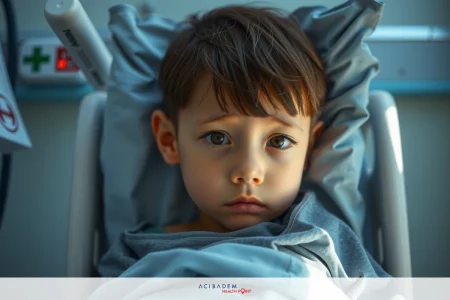
Can Childhood Germ Cell Tumors Cause Loss Of Appetite?
Can Childhood Germ Cell Tumors Cause Loss Of Appetite? Childhood germ cell tumors might make kids eat less. When children face health challenges their bodies react in different ways. Eating habits can change because the body is working hard to fight off illness. Parents often worry when their child isn’t hungry or skips meals.Doctors check many signs to learn about a child’s health. Not wanting food can be one sign something’s not right. If your kid usually loves snacks but suddenly stops eating much it’s time to ask questions. A doctor will know what tests are best for finding out why.
Finding support makes dealing with health problems easier for families and kids alike. Hospitals have teams ready to help with these tough times. They know each family is unique and needs care that fits them just right.
Symptoms of Childhood Germ Cell Tumors
Childhood germ cell tumors can be hard to spot early on. They might not cause pain or show many clear signs. But as they grow symptoms like a lump in the belly or groin may appear. Kids could also feel tired all the time without an obvious reason.
Appetite changes are common when kids aren’t feeling well. A child with germ cell tumors may stop liking foods they once enjoyed. If your kid is eating less and losing weight it’s important to talk to a doctor right away. This symptom alone doesn’t mean it’s cancer but it should be checked out.
At a children’s hospital experts see these symptoms more often and know what they mean. They’ll ask about other signs too like fevers that come and go with no clear cause or swelling in certain body parts. These health care pros work together to give each kid the best care possible.
Parents should watch for small changes in how their child acts day-to-day. Things like being very sleepy or upset stomachs can be clues something’s wrong inside their bodies. It’s always better to find problems early so doctors at children’s hospitals can help fast.
Impact on Appetite
When children face germ cell tumors their desire to eat may change. This is a key sign that something might be affecting their health. A tumor can press against the stomach and make kids feel full quickly. It could also lead to changes in metabolism or hormone levels.
At a children’s hospital doctors will ask about your child’s eating habits. They want to know if there are new dislikes or lack of hunger at meal times. These details help them figure out the right path for diagnosis and treatment. Kids’ bodies need proper nutrition especially when they’re sick.
If your kid is losing weight because they can’t eat much it’s serious. Health teams at hospitals work hard to manage these symptoms with care plans suited just for them. Nutritionists often join in to offer special diets that match each child’s needs.
Parents play a big role by noticing when appetite drops off and acting fast. You should share any concerns about food intake with your doctor early on. Medical staff rely on this info to understand how germ cell tumors affect overall health in children.
Treatment Options
Treating childhood germ cell tumors often starts with surgery. Doctors remove the tumor to stop it from growing and spreading. After that kids may need other treatments like chemo or radiation. This can help get rid of any cancer cells left behind.
Kids who have these treatments might visit a children’s hospital often. Staff there know how to care for young patients and their unique needs well. They use medicines to keep kids comfortable and help them heal faster too. Each child gets a plan made just for them because no two cases are alike.
Sometimes doctors suggest newer options like targeted therapy as part of treatment. These methods focus on specific parts of cancer cells to stop them from getting bigger or multiplying fast. It’s good news because they tend to have fewer side effects than older treatments do.
Supportive Care
Supportive care is key in treating children with germ cell tumors. It includes managing symptoms and side effects from the main treatments. This kind of care helps kids feel better and cope well during their recovery process. Health teams at children’s hospitals are trained to give this support every step of the way.
Nutrition is a big part of supportive care for these young patients. Dietitians work closely with families to make sure kids get enough to eat even when appetite wanes. They create meal plans that are easy on the stomach but still full of important nutrients.
Pain management is another crucial aspect professionals focus on in children’s hospitals. Kids getting treatment might hurt or feel uncomfortable at times. Doctors use various methods like medicine or relaxation techniques to keep pain under control.
Emotional support also plays an essential role throughout treatment for germ cell tumors in children. Hospitals have counselors who talk with kids and parents about feelings and fears they may have. These experts help families deal with stress that comes along with health issues like cancer.
Long-Term Outlook
The long-term outlook for children with germ cell tumors is often very hopeful. Many kids go on to live full healthy lives after treatment. The key is early diagnosis and the right mix of treatments tailored to their needs. Advances in medical care have greatly improved the chances of a good outcome.
Prognosis can vary based on the type and stage of the tumor when found. If caught early localized germ cell tumors have a high chance of being cured. Regular follow-ups are important though as they help catch any signs of the tumor returning quickly.
Children’s hospitals play a big role in monitoring survivors over time. They check not just for signs of cancer but also side effects from treatment that might affect health later on. This includes tracking growth patterns, learning abilities and general well-being.
Families should know that some children may face challenges even after beating cancer. These could include issues with fertility or hormone levels due to where tumors were located or how they were treated. Support groups and counseling services can be valuable resources for managing these kinds of concerns.
Frequently Asked Questions
Q: Can germ cell tumors come back after treatment in children? A: Yes, like many cancers, there is a chance that germ cell tumors can return. Regular check-ups are
important to catch any recurrence early.
Q: Will my child be able to eat normally during treatment for germ cell tumors? A: Treatments may affect appetite but healthcare teams work hard to manage this. They will help your child maintain proper nutrition throughout the process.
Q: How long does recovery from childhood germ cell tumor treatment typically take? A: Recovery time varies depending on the specifics of each case and treatments used. Your child’s healthcare provider will give you the best estimate based on their situation.
Please note that these answers are for informational purposes only and do not constitute medical advice. For personalized guidance consult your medical professional or visit a children’s hospital specializing in pediatric oncology.