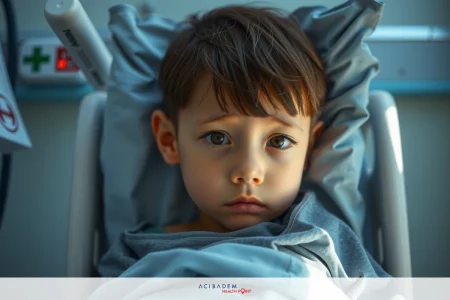
Can Childhood Germ Cell Tumors Cause Joint Pain?
Can Childhood Germ Cell Tumors Cause Joint Pain? Childhood often brings to mind images of active play and boundless energy. Yet for some kids dealing with health challenges can put a damper on this vibrant time of life. When it comes to the topic of germ cell tumors in children many parents worry about how these conditions might affect their child’s well-being.Germ cell tumors are rare growths that can appear in young individuals potentially leading to various symptoms. Parents may notice changes in their child’s activity level or hear complaints about discomfort in joints which raises concerns. It is important for families facing such situations to gather accurate information and seek expert advice.
Joint pain is not typically the first thing linked with germ cell tumors found during childhood years. Still, if a child experiences ongoing pain around their joints, it should be taken seriously by caregivers and medical professionals alike.
Symptoms of Childhood Germ Cell Tumors
Children with germ cell tumors might show clear signs that something’s not right. These growths can form in the testes, ovaries or other areas like the brain and chest. Parents may notice a lump or swelling in these places. Sometimes there’s pain but it’s not always there.
Other symptoms are harder to spot because kids can’t always explain what they feel. They might get tired more easily or have less appetite than usual which is worrying for parents. Look out for fevers without clear reasons as well. It could be their body signaling trouble within.
If a child has germ cell tumors near joints you may hear about joint pain from them too. They could start limping avoiding playtime activities they usually enjoy due to discomfort when moving around too much during games or sports.
It’s key to know these symptoms are common and don’t always mean cancer is present in childhood cases of illness. But if you see any of these signs talk to a doctor fast just to be safe! Better early checks than late worries over your little one’s health.
Impact on Joint Health
Germ cell tumors in childhood can sometimes affect parts of the body like joints. If a tumor is close to a joint or pressing on nerves it might cause pain there. Children may not play as much or might limp when they walk. They could seem less happy if moving hurts them.
Doctors look for signs that tumors impact how kids move and feel day by day. A child with joint pain might need special tests to see what’s going on inside their body. These tests help find out if the tumor is causing the problem with their joints.
When treating these tumors keeping joints healthy is important too. Doctors use medicine and therapy to make sure children stay strong and mobile during treatment times. They want kids to keep moving well after getting better from illness too.
Treatment Options
Treating childhood germ cell tumors often starts with understanding the type and stage. Doctors may use surgery to remove the tumor if it’s safe to do so. After that other treatments like chemo or radiation might be
needed to kill any remaining cancer cells.
If joint pain is one of the symptoms treatment may also involve ways to ease this pain. This could include medicine for pain, physical therapy or special exercises designed by health experts. The goal here is always to improve quality of life while treating the main problem.
Families should talk about all options with their doctors and get as much information as they can. It’s good to ask questions and learn about each step in the process before making decisions.
Preventive Measures
While the exact causes of childhood germ cell tumors are not fully known maintaining overall health is key. Encourage a balanced diet rich in fruits and vegetables for your children. Regular physical activity also plays an important role in keeping their bodies strong.
Periodic medical check-ups can help detect health issues early on including unusual growths. Make sure your child sees their pediatrician regularly for wellness visits and any concerns you might have about their health should be addressed promptly with these professionals.
Educating yourself about the symptoms of different illnesses, including germ cell tumors, is beneficial. This knowledge allows parents to seek timely medical advice if they notice something off with their child’s health which could include joint pain or other discomfort related to childhood diseases.
Avoid exposing children to harmful substances that could increase cancer risks later on. Things like secondhand smoke or certain chemicals should be kept away from young ones as much as possible within our control and capacity at home or in environments where kids spend lots of time playing or learning daily.
Support and Resources
Families facing childhood germ cell tumors don’t have to walk this path alone. Many hospitals offer support groups where parents can meet others in similar situations. Sharing experiences with those who understand can be comforting and informative.
Online forums and communities are also available for families dealing with these health issues. Here, you can find advice, hear success stories and learn about what has helped others cope which could possibly help your family as well during such times of need when looking for people who really get what it’s like.
Financial aid may be offered through various organizations for treatment-related expenses so it’s worth looking into these options if needed by families trying their best to care for a sick child.
Frequently Asked Questions
Q: Can joint pain be an early sign of childhood germ cell tumors?
A: Joint pain can sometimes occur in children with these tumors but it's not a common early sign.
Q: What are the first steps to take if I suspect my child has a germ cell tumor?
A: Schedule a visit with your child's doctor to discuss symptoms and possibly get referrals for further testing.
Q: Are there any lifestyle changes that can help manage symptoms like joint pain from germ cell tumors?
A: Yes, maintaining a healthy diet and regular physical activity may help manage some symptoms, but always consult with your doctor.