Can Childhood Germ Cell Tumors Cause Headaches?
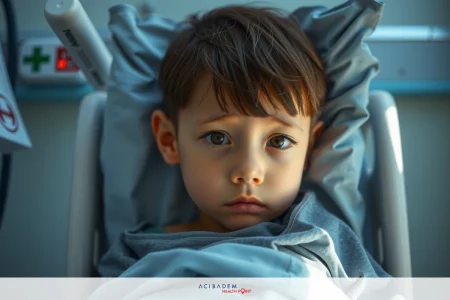
Can Childhood Germ Cell Tumors Cause Headaches? Childhood germ cell tumors might cause different signs in the body including headaches. Kids with these tumors often feel unwell and parents notice changes that worry them. If a child starts having frequent headaches it’s important to see a doctor right away. Doctors can do tests to find out if the headaches come from germ cell tumors or something else. Getting help early can make a big difference for health.Headaches are not always due to serious conditions like germ cell tumors in children. Many times they result from common things like colds or too much time in front of screens. Yet when headaches happen a lot and don’t go away easily it’s best not to ignore them. Parents should keep track of how often their child complains of head pain and talk about it with their family doctor.
Doctors know that finding what causes headaches can be hard because many factors play a part. They will ask questions about the child’s overall health and may suggest some special tests to learn more. A clear answer helps doctors decide on the best way to care for each young patient who is hurting from regular headaches.
Symptoms of Childhood Germ Cell Tumors
Childhood germ cell tumors can cause a variety of symptoms. Headaches are one symptom that might show up if the tumor is in the brain. Some kids also feel sick to their stomach or throw up without a clear reason. Other signs include trouble with balance or changes in how they walk. It’s crucial for parents to watch for these issues and talk to a doctor.
The symptoms depend on where the tumor grows inside the body. If it’s not in the brain children may not have headaches at all. Instead, they could see swelling or lumps in their belly, chest or private parts. Sometimes there can be pain too that doesn’t go away with normal treatment like rest or medicine.
Germ cell tumors might cause other general signs as well. Kids could lose weight without trying and feel very tired often even when resting enough at night time hours doctors say kids need sleep in each age group. There may also be fever that comes and goes over days or weeks which isn’t caused by common illnesses.
It’s important for these symptoms not to be ignored because early detection helps with treatment success rates. Parents who notice any strange health changes should seek medical advice promptly. Doctors will do tests based on what kind of signs are showing up. They work hard to find out what is wrong and make kids feel better soon after starting care plans tailored just right for them.
Diagnosis and Treatment Options
Diagnosing childhood germ cell tumors starts with a doctor’s visit. The doctor will ask about symptoms like headaches and check the child’s health history. They may feel for lumps or swelling in areas where these tumors are common. Blood tests can also show markers that suggest a tumor might be present. Imaging tests, such as MRIs or CT scans, often provide a clearer picture.
Once doctors suspect a tumor they may perform a biopsy to confirm it. This means taking a small sample of cells from the lump to look at more closely. It helps them understand exactly what kind of tumor it is and how it should be treated. Knowing the type is key because different tumors need different treatments to work best.
Treatment options vary based on many factors including the tumor’s size and place as well as if it has spread. Surgery is one way doctors can remove these tumors from children. If needed chemo or radiation therapy might follow to target any remaining cancer cells left behind after surgery.

Doctors always aim for the safest and most effective treatment plan for each child. Supportive care during treatment helps manage side effects like nausea which could come from chemotherapy drugs used. It’s all part of making sure kids get back to their normal lives as quickly and safely as possible after dealing with germ cell tumors in their young years.
Support for Families
When a child faces germ cell tumors families often need extra help. Many hospitals offer services to support them during this tough time. This might include talking with counselors or joining support groups with other parents. Resources like books and websites can also provide useful information about the illness and care tips. It’s okay to reach out; no family has to face this journey alone.
Support goes beyond just medical advice for families dealing with childhood germ cell tumors. Financial guidance is available because treatment costs can be high and stressful to manage. Social workers can assist in finding ways to cover these expenses or direct families to helpful programs. They understand that managing life, work and care for a sick child takes balance and they’re there to help find it.
Lastly practical help comes in many forms from local communities too. Meals might be delivered by neighbors while schools may offer flexibility around missed days due school-aged children have responsibilities related learning growth development stages as well as health issues at times. Even simple acts of kindness go a long way towards lifting spirits during challenging periods when kids are unwell from conditions like germ cell tumors causing headaches among other symptoms.
Prevention and Awareness
Preventing childhood germ cell tumors is challenging since the causes are not fully known. However awareness about symptoms like headaches can lead to early detection. Education for parents on recognizing unusual changes in their children’s health is key. Health campaigns and school programs often play a role in spreading this knowledge. Encouraging families to have regular check-ups helps catch issues sooner.
Awareness also involves understanding potential risk factors linked to these tumors. While we cannot prevent all cases knowing family history may alert us to higher risks. Genetic counseling can be beneficial for those with a family history of similar issues. It provides insight into possible inherited risks that could affect children.
Research plays a vital part in prevention efforts as well. Scientists study what might cause germ cell tumors so they can suggest ways to lower risks one day. Funding and public interest drive much of this research forward highlighting why awareness matters so much.
Frequently Asked Questions
Q: Can childhood germ cell tumors cause headaches? A: Yes, if the tumor is located in the brain, it can cause headaches as a symptom.
Q: What are other common symptoms of childhood germ cell tumors? A: Other symptoms include swelling or lumps in various body parts and general signs like unexplained weight loss and fatigue.
Q: How are childhood germ cell tumors diagnosed? A: Diagnosis may involve physical exams, blood tests for tumor markers, imaging tests like MRI or CT scans
and sometimes a biopsy.
The answers provided here are for informational purposes only and do not constitute medical advice.