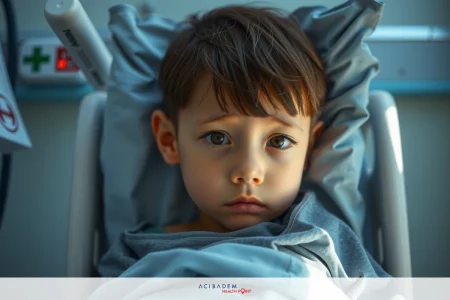
Can Childhood Germ Cell Tumors Cause Difficulty Breathing?
Can Childhood Germ Cell Tumors Cause Difficulty Breathing? Can Childhood Germ Cell Tumors Cause Difficulty Breathing? Many children with germ cell tumors may start feeling short of breath. Often parents wonder if there is a link between the two. It’s important to look at symptoms and see a doctor for advice. Germ cell tumors are not common but they can affect health in many ways. Knowing what signs to look out for helps parents act fast.Doctors have treatments that help kids with these health problems. Early help is key to making sure children get better faster. Parents play a big role in noticing when their child has trouble breathing. They must talk to doctors who understand germ cell tumors well. Getting the right care makes all the difference in how quickly kids recover.
If you notice your child struggling to breathe it might be time to check on their health more closely. Many factors can make breathing hard and every case is unique so personal medical tips are best sought from professionals directly involved in care.
Symptoms to Watch For
Childhood germ cell tumors can cause several symptoms that parents should note. The most obvious sign is a mass or swelling in the abdomen, testes or ovaries. Children might complain of pain where this swelling occurs. These symptoms require immediate attention from a healthcare provider.
Difficulty breathing is another symptom that may arise with these tumors. This happens when a tumor presses on organs or blocks airways. If your child experiences this it’s crucial to seek medical help right away. Early detection and treatment are vital for your child’s health and recovery.
Other signs include fatigue, weight loss without trying and changes in bowel habits. Children may feel tired all the time or have less energy than usual. Parents often know best when something seems off with their child’s health.
Always be aware of fever or night sweats as they could also indicate something serious like germ cell tumors among other conditions affecting children’s well-being. It’s essential to keep an eye out for any unusual symptoms and communicate them to your child’s doctor promptly for proper care.
Treatment Options
When a child is diagnosed with a germ cell tumor doctors will discuss all the treatment options. These may include surgery to remove the tumor if it’s in a place that’s safe for an operation. Surgery alone can sometimes cure these tumors without more treatments.
If the tumor has spread or is harder to get to chemotherapy might be used. This treatment uses drugs to kill cancer cells and shrink tumors. Kids often have several rounds of chemotherapy depending on their specific health needs.
Radiation therapy could also be part of your child’s care plan. This uses high-energy waves like X-rays to destroy cancer cells. The goal is always to target only the tumor while keeping healthy areas safe.
Some children may need a mix of these treatments for best results against germ cell tumors affecting their health. Your child’s doctor will make sure you understand each step and support you through this journey toward recovery.
Support and Care
Caring for a child with germ cell tumors goes beyond medical treatments. Emotional support is crucial during this tough time. Kids may feel scared or confused so open talks about their health can help. Comfort from family and friends provides a strong backing.
Good care at home makes a big difference in your child’s recovery journey. Keep up with doctor visits and follow the treatment plan closely. Make sure your child gets plenty of rest, eats well and stays hydrated. These simple steps are key to keeping them strong.
Consider joining a support group for families dealing with childhood germ cell tumors. Sharing experiences can be comforting and informative for both parents and children alike. Learning from others who understand what you’re going through can be an invaluable part of the healing process.
Prevention Tips
Prevention of childhood germ cell tumors begins with understanding potential risk factors. Although many cases arise without a clear cause maintaining overall health is important. Regular check-ups can catch health issues early including signs of these tumors.
A balanced diet rich in fruits and vegetables supports a child’s immune system. Avoiding exposure to harmful chemicals can also reduce the risks of cancer. Parents should be aware of environmental factors that may affect their children’s health.
Genetic counseling may be advised for families with a history of germ cell tumors. This helps assess the risk for children and provides guidance on preventive care. It’s one way to stay proactive about your family’s health.
Encouraging kids to engage in physical activities aids in healthy development. Exercise strengthens their bodies and helps them maintain an ideal weight which is good for overall well-being.
Educating yourself about symptoms like difficulty breathing or unusual lumps is critical. Knowledge empowers parents to act swiftly if they suspect something might be wrong with their child’s health.
Frequently Asked Questions
Can childhood germ cell tumors be prevented?
While there's no sure way to prevent them maintaining a healthy lifestyle and being aware of changes in your child’s health can help.
What are the survival rates for children with germ cell tumors?
Survival rates depend on many factors like tumor type, stage and how well it responds to treatment. Advances in care have improved outcomes significantly.
Where do these tumors most commonly occur in children?
They can appear in various places but often develop in reproductive organs or at the base of the spine.