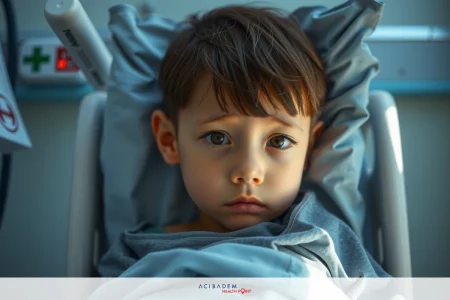
Can At/rt Recur After Treatment?
Can At/rt Recur After Treatment? AT/RT, or atypical teratoid rhabdoid tumor, is a rare kind of brain tumor that mostly affects young children. It’s important for family and doctors to keep watch even after initial treatment ends. Medicine has made great strides in treating these tumors but sometimes they can return. When a child completes their first round of therapy the journey might not be over. Knowing what signs to look out for helps catch any changes early.After successful treatment of an AT/RT brain tumor many parents feel relief yet worry about the future. Regular check ups are part of life post treatment because staying ahead is key in managing health risks with your doctor’s help. Each visit gives valuable info on how well a child is doing and if more care is needed. With close monitoring families can take action fast if there are new concerns.
Support systems play a big role when dealing with pediatric brain tumors like AT/RT both during and after treatment times. Having people who understand can make all the difference while navigating recovery paths for kids facing health challenges from such conditions. Doctors often talk about follow up plans including tests and visits to ensure everything stays on track toward healing and growth for every young patient.
Symptoms to Watch For
Parents and caregivers should be aware of symptoms that might hint at an AT/RT recurrence. Headaches that happen often or worsen can be a red flag especially if they’re new. Other signs include nausea or vomiting with no clear cause and these shouldn’t be ignored. If a child starts to act very tired or less active than usual it’s worth noting. Changes like these are reasons to talk with your pediatric healthcare team right away.
Sometimes children might have trouble with balance or coordination after beating an AT/RT brain tumor once. They may stumble more or find it hard to handle simple tasks they used to do easily before. These issues could point towards the tumor coming back and need quick attention from doctors who understand AT/RT treatment well.
In pediatrics watching for changes in vision is also crucial when checking for tumor recurrence in kids treated for AT/RT previously. Blurry sight, double vision, or loss of vision can signal problems inside the brain where the original tumor was located. A child showing any change in how they see things should have their eyes checked as part of looking into possible AT/RT return.
Seizures are another symptom parents must keep watch for if their child had an AT/RT brain tumor earlier on. Seizures look different from one child to another; some may seem dazed while others shake uncontrollably during a seizure episode. It’s key not just to get help fast but also report these events during follow ups since they can indicate whether AT/RT has made a comeback.
Monitoring and Follow Up Care
After a child finishes treatment for AT/RT regular check ups are vital to their health. These visits help doctors catch any signs of the brain tumor coming back early. Tests like MRI scans let doctors look at the brain closely which is critical for kids who’ve had AT/RT. During these visits healthcare providers will ask about new symptoms or changes in behavior. It’s a safety net that helps make sure children keep moving forward in health.
Doctors often set up a schedule for follow up care once AT/RT treatment ends. This plan usually includes appointments every few months at the start and then less often over time if all stays well. Each session may involve talking with different experts who work together to support your child’s recovery journey. Keeping these appointments is one of the best ways to guard against recurrence.
Follow up care also involves looking after a child’s overall wellness post treatment for pediatric brain tumors like AT/RT. They might need help with schoolwork or getting back into activities they enjoy safely and steadily. Support from therapists or counselors can be part of this stage too helping kids adjust after going through such an intense experience.
Support for Families
Families facing the challenge of an AT/RT recurrence have many forms of support available. Hospitals often provide resources such as social workers who can guide families through this tough time. These professionals help with everything from emotional support to managing medical paperwork and insurance questions. Support groups connect you with other families who know what you’re going through firsthand. This kind of network can be a great source of comfort and shared knowledge.
Outside the hospital setting community organizations may offer additional assistance for children with brain tumors like AT/RT and their loved ones. These can include programs specifically designed for pediatric patients and their unique needs during treatment and recovery periods. They also offer fun activities tailored to kids giving them a chance to just be kids despite their health challenges.
Online platforms also serve as valuable tools where families can find information about AT/RT, its treatment, and managing recurrence risks. Websites dedicated to pediatric brain tumor research often have tips on living with these conditions post treatment. They break down complex info into simple terms so it’s easier to understand what’s happening.
Treatment Options
When AT/RT recurs there are several treatment options that healthcare providers may consider. The choice of treatment depends on many factors like the child’s age and how much the tumor has grown. Surgery is often used to remove as much of the tumor as possible. After surgery treatments such as radiation therapy or chemotherapy might be needed to target any remaining cancer cells.
Chemotherapy can play a key role in managing an AT/RT recurrence. This involves using certain drugs that kill cancer cells or stop them from growing. Healthcare providers tailor chemo plans to each child’s specific situation because every case of AT/RT is unique. It’s important for families to discuss potential side effects with their doctors before starting chemo.
Targeted therapy is another option that focuses on specific parts of cancer cells. These therapies are designed to attack those areas without harming normal cells.
Clinical trials also offer access to new and potentially effective treatments against recurrent AT/RTs not yet available widely. These studies test out cutting edge medical approaches under careful supervision giving kids chance benefit from latest advancements science.
Long Term Outlook
The long term outlook for pediatric patients with recurrent AT/RT can vary greatly based on individual circumstances. Advancements in treatment have improved survival rates over the years offering hope to many families. However, because AT/RT is a serious condition, ongoing research is essential to better understand outcomes. Doctors consider several factors when predicting long term outlook including age at diagnosis and how the tumor responds to initial treatment.
For children who experience recurrence of AT/RT the approach to management often becomes more aggressive. The aim is not just to treat the tumor but also protect quality of life as much as possible after therapy ends. This includes considering how treatments may affect growth and development later on which
remains a top priority within pediatrics dealing with such challenging conditions.
Survivorship care plans are an important part of post treatment for kids with recurring AT/RTs. They help monitor any late effects caused by therapies given earlier so doctors can manage them properly ensuring that every child gets chance grow up healthy.
Frequently Asked Questions
Q: What are the first steps if I suspect an AT/RT recurrence in my child? A: Contact your child’s healthcare provider immediately to discuss any new or worsening symptoms. They may recommend imaging tests or other evaluations to check for recurrence.
Q: Can treatment options vary for recurrent AT/RT compared to initial treatment? A: Yes treatments for recurrent AT/RT might differ from the initial therapy based on factors like how the tumor has changed and your child’s overall health.
Q: How can I support my child emotionally during their fight with recurring AT/RT? A: Seek help from psychologists, social workers, and support groups that specialize in pediatric cancer care. These resources can provide emotional support tailored to children’s needs.
The answers provided here are for informational purposes only and do not constitute medical advice.